If a Citizen Does Not Have Foreign Currency Income, They Should Not Receive Foreign Currency Loans, MP Explains Why
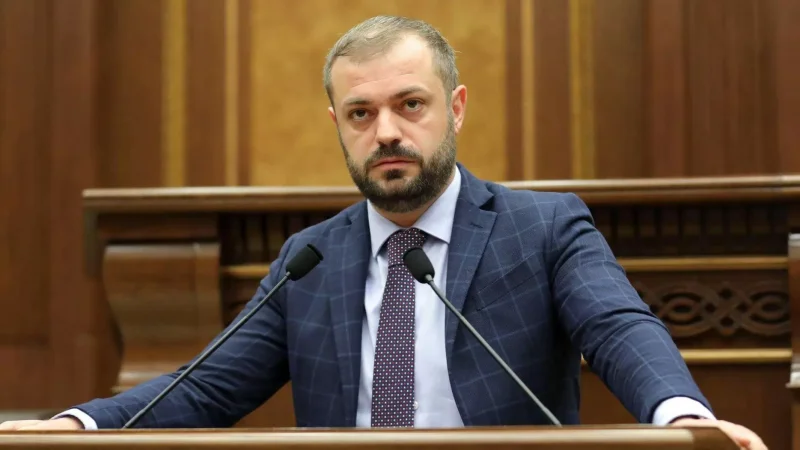
The Chairman of the Financial and Budgetary Affairs Permanent Committee of the National Assembly, Gevorg Papoyan, is convinced that if a citizen does not have foreign currency income, they should manage their risks by taking a dram-denominated mortgage loan. He presented a new legislative initiative for this purpose.
Papoyan, as a co-author of the draft law on amendments to the Law on Currency Regulation and Currency Control, introduced the bill for first reading during the National Assembly session on February 10.
The MP noted that in recent years, amid global developments, the volatility of foreign currencies has increased significantly, posing substantial risks for both the state and citizens, especially those with foreign currency mortgage loans.
“Two months ago, the exchange rate of the euro was 392. And that citizen who took out a mortgage loan in euros must now pay 9% more due to the exchange rate rising to 427. Thus, if a citizen took a loan in euros to obtain 2% lower rates, their loan has now increased by 9% within two months. This legislative initiative addresses the fact that if citizens do not have foreign currency income, they cannot and should not receive foreign currency loans,” Papoyan stated, adding that the majority of citizens in Armenia receive their income in drams.
The MP also pointed out that the problem is particularly widespread among citizens who do not have very high financial literacy and are lured by the temptation of a mortgage loan being 1-2% cheaper.
“In dram-denominated mortgages, the share of non-performing loans is about 1.5%, whereas in foreign currency loans, it reaches about 4-4.5%,” the MP emphasized.
The regulation proposed by the MP does not apply to business loans. In the case of consumer loans, such restrictions already existed, meaning the regulation pertains only to residential mortgage loans.
Նմանատիպ հոդվածներ

Number of Azerbaijani and Turkish Tourists Visiting Armenia in 2022 Revealed

Lapshin Explains Why Armenia Should Send Rescuers to Turkey

Estimated Damage from Devastating Earthquakes in Turkey and Syria Exceeds $4 Billion, Death Toll Surpasses 19,000

PHOTOS: Armenian Rescuers Establish Base in Turkey
Ավելին Society բաժնից

Հակակոռուպցիոն կոմիտեում փետրվարի 7-ից մինչ օրս ընտրական հանցագործությունների վերաբերյալ նախաձեռնվել է 125 քրեական վարույթ

ՏԵՍԱՆՅՈՒԹ. Վարորդական իրավունքի վերականգնման կարգը փոխվում է. նախագիծը ԱԺ-ում է

Հայաստանը՝ միջազգային մամուլի ուշադրության կենտրոնում