The Fault Line is Quite Far from Armenia and Does Not Pose a Danger to Us, Says Geologist on Earthquakes and Aftershocks
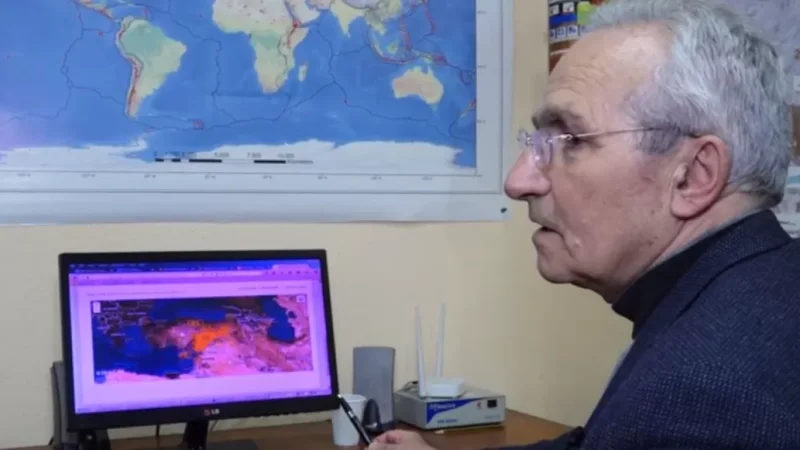
In Turkey, strong seismic shocks are linked to the Eastern Anatolian active fault, which is a first-order fault that extends throughout Turkey and does not pose a danger to Armenia. This was stated by Haratchya Petrosyan, a researcher at the National Academy of Sciences, in an interview with NEWS.am.
The geologist showed the epicenters of the shocks on a map. Each depicted ring represents one seismic shock. The yellow color indicates that these seismic shocks were registered in the last day.
“Imagine how many shocks there are that the rings have turned into one color. Last night and today, shocks were also registered in the eastern Mediterranean area, with the epicenter located right in the sea, meaning that seismic activity is extending towards the southwest. The epicenters have a certain elongation, linked to the Eastern Anatolian active fault. We witnessed a recurrence of two strong earthquake phenomena. Formally, the second one was weaker, but on the other hand, it is difficult to say that a 7.5 magnitude earthquake is weak; it is an aftershock,” he said.
According to Haratchya Petrosyan, the earthquakes in Spitak and Turkey in 1988 should not be compared in terms of their strength, as Turkey’s quake is more powerful. The Spitak earthquake had a magnitude of 7.0, while Turkey’s was between 7.5 and 7.8. The difference in the number of casualties is a different issue, as Spitak had 25,000 casualties, while Turkey had 5,000. Several reasons contribute to this disparity.
“The first reason for this difference is that during the Soviet years, the seismic potential of Armenia was determined to be 7 points, and in small areas, 8 points. In the epicentral area of Spitak, near the then village of Nalband, we had a strength of 10 points, which is two points lower than what was calculated. Buildings were designed for 7 points. The Spitak earthquake demonstrated that there are successful and unsuccessful variants in building designs. After the earthquake, the construction in Armenia based on specific typical designs was halted. A third factor is the low quality of cement, plaster, and sand, which were often stolen. This is why when our group went to Spitak and then to Gyumri after the earthquake, they noticed that pieces of cloth and shoes were coming out of the concrete panel instead of cement. Besides this, a large part of our population considers themselves great architects and builders, altering the apartment structure; in a two-room setup, removing one stone to make a wardrobe; how can the building withstand if you weaken it halfway? Or digging a basement to keep some jars,” emphasized the geologist.
Haratchya Petrosyan suggested that aftershocks could be recorded in Turkey for a long time, as they are a natural phenomenon following any strong earthquake.
“I would even say that not only the first but also the second earthquake was a main shock since both were very strong with minimal differences. Aftershocks mean that the accumulated stresses in the earth's crust continue to release, not just in the form of a strong shock but also through strong shocks, and this will continue. It is not excluded that the buildings that have not collapsed during the main shock, but have been damaged, may collapse from the next shocks—even if those are weaker,” said Haratchya Petrosyan.
According to Haratchya Petrosyan, the eastern Anatolian active fault line that passes through Turkey is quite far from Armenia and does not pose a danger to us.
“In addition to the eastern Anatolian active fault, there is also a northern Anatolian fault line that passes through Turkey, which is considered a first-order fault, dangerous, and has a high seismic potential, meaning strong earthquakes are possible. These two fault zones connect to each other in the eastern part but do not enter Armenian territory and have no direct connection with the seismic faults in our territory. I do not believe that it will pose a dangerous continuation for our republic,” he emphasized.
Նմանատիպ հոդվածներ

Ավելին Society բաժնից

ԲԱՑԱՌԻԿ ՏԵՍԱՆՅՈՒԹ․ Կիլիկիայում հնչած կրակոցներն ու «ռազբորկան» տեսանկարահանվել է
Իրանում մահապատժի են ենթարկել «Մոսադի» հետ համագործակցելու մեջ մեղադրվող երկու տղամարդու

Արփինե Սարգսյանը նոր հանձնարարականներ է տվել ոստիկանությանը․ ուժեղացվում է կանխարգելիչ ծառայությունը