Armenian Official from State Duma Accused of Bribing European Legislators
The Organized Crime and Corruption Reporting Project (OCCRP), in collaboration with several other organizations, has uncovered that Russia allegedly bribed European officials in exchange for favorable legislation regarding Crimea and international sanctions.
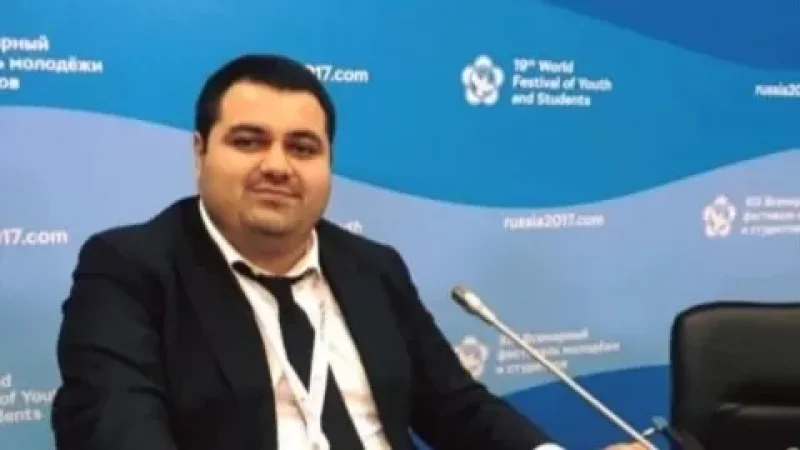
The investigation involved the online Russian publication "Important Stories", the Estonian publication Eesti Ekspress, OCCRP, the Italian Center for Investigative Journalism (IRPI), and the Profil website. According to the published report, an official of the State Duma’s apparatus, Sargis Mirzakhanyan, coordinated efforts to bribe European politicians. These legislators could have received up to 20,000 euros to support Russian interests.
Investigators obtained documents through leaks from Mirzakhanyan’s email, which coordinated connections with these European politicians. Mirzakhanyan allegedly commissioned favorable articles for Moscow in both Russian and Ukrainian media, hired bloggers, organized pro-Russian rallies, and established connections with politicians from several European countries. This was aimed at promoting a pro-Russian agenda in European states.
In particular, an initiative recognizing Crimea as part of Russia and calling for the lifting of sanctions was presented in the local legislative assembly of the Veneto region in Italy in April 2016. The proposal was authored by local councilor Stefano Valdegamberi, and 27 members of the Veneto regional council voted in favor of it.
In June 2016, Mirzakhanyan drafted an action plan titled "Resolutions in Austria and Italy". In a working document, he stated that the Italian Senate resolution would be presented by Valdegamberi’s colleague, Senator Paolo Tosato of the right-wing party Liga Nord. The document prepared by Mirzakhanyan noted an expense section listing "20,000 euros + 20,000 euros, with an additional 1,000 euros in both cases for favorable votes". Days later, Tosato indeed presented the legislation, but it was rejected by the Senate on June 27.
The same document suggested that presenting a similar resolution in the Austrian parliament would garner a payment of 20,000 euros, with an additional 15,000 euros upon its acceptance. The task was assigned to Johannes Hübner, who was elected to parliament from the Freedom Party. In June 2016, he presented the resolution, but it was also rejected by the Austrian parliament.
Investigators discovered similar plans in Mirzakhanyan’s email that were supposed to be carried out among deputies from Latvia, Greece, and the Parliamentary Assembly of the Council of Europe. The most successful operation by Kremlin political technologists is considered to be the vote in Cyprus. In July 2016, the Cypriot parliament adopted a resolution calling for the EU to lift the sanctions imposed on Russia.
Նմանատիպ հոդվածներ


Ավելին Society բաժնից
Հակակոռուպցիոն կոմիտեում փետրվարի 7-ից մինչ օրս ընտրական հանցագործությունների վերաբերյալ նախաձեռնվել է 125 քրեական վարույթ
ՏԵՍԱՆՅՈՒԹ. Վարորդական իրավունքի վերականգնման կարգը փոխվում է. նախագիծը ԱԺ-ում է
Հայաստանը՝ միջազգային մամուլի ուշադրության կենտրոնում