Import of Certain Raw Materials Exempt from VAT at the Border

In Armenia, the import of goods used in production activities will be exempt from value-added tax (VAT) at the border. The Deputy Minister of Economy, Armen Arzumanyan, presented a draft law to the National Assembly regarding amendments and changes to the law “On approving the list of goods imported by organizations and individual entrepreneurs that are exempt from VAT and are not subject to excise tax.”
“Currently, a significant number of companies in the country’s industrial sectors import raw materials and materials that are not available in Armenia, but are necessary for producing final products. VAT is charged on the import of these goods at the border, which incurs additional financial costs for industrial companies,” stated Arzumanyan.
Therefore, amendments and additions to the list of goods imported by organizations and individual entrepreneurs that are exempt from VAT have been proposed. “It is proposed to include certain groups of materials for production, as well as those raw materials and materials that were mainly imported within the framework of investment programs, receiving a tax incentive based on Article 79 of the Tax Code, which has currently been declared null and void. Essentially, the goods included in the draft are not produced in Armenia, yet are essential for industrial enterprises to create final products,” he added.
The taxation of the import of raw materials and equipment is expected to gradually shift from the border to the domestic economy. For this reason, it is proposed to implement steps to gradually eliminate the VAT collection at the customs border.
The goods for which changes are proposed in the draft—removing the VAT charge at the border—were imported at around $11 million in 2021. However, it is expected that the volumes of their imports will increase with the exemption from VAT at the border. The list of added goods includes: ashura (seeds), oats (seeds), wheat glue—dry or raw, etc.
The deputy minister assured that the adoption of the draft law will only have a temporary impact on the tax revenues of the state budget, while the cumulative effect will be neutral.
Նմանատիպ հոդվածներ
Blood Samples Disposed and Fake Results Issued: Alert Over Tampered Test Results
Individuals Holding 'Highly Confidential' Information Must Notify NSS Before Traveling Abroad
Recovered Citizen Returns to Artsakh
Individuals Who Assaulted Mirzoyan and Committed Theft from Prime Minister's Residence Arrested
Ավելին Society բաժնից

Գետն ընկած 7-ամյա և 13-ամյա քույրերին դեռ որոնում են
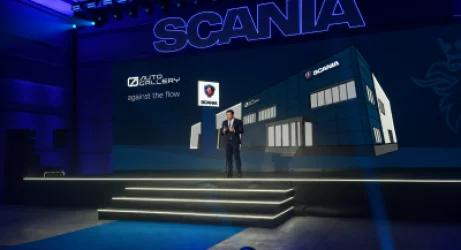
Համաշխարհային ավտոհսկան ընդլայնում է ներկայությունը Հայաստանում

Ֆրանսիական պաշտպանական հսկան ռազմավարական գործընկերություն կսկսի հայկական ընկերության հետ