Sanctions Necessary Against Azerbaijan, Congresswoman Judy Chu
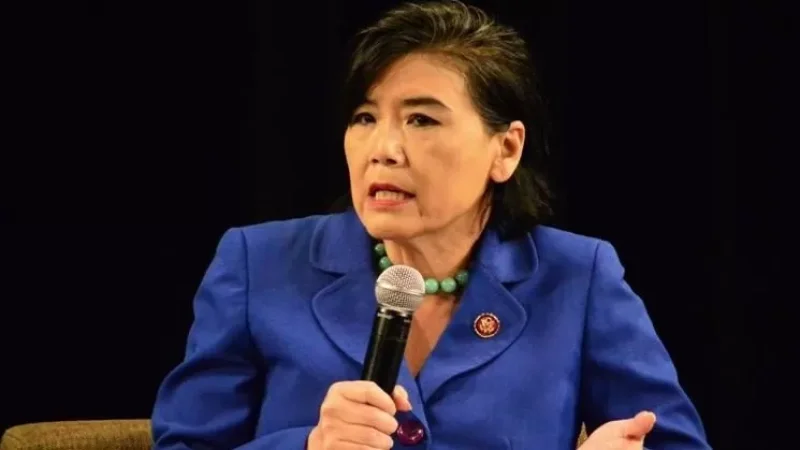
The situation surrounding the Lachin corridor was discussed by Voice of America with U.S. Congresswoman Judy Chu and representatives of human rights organizations.
The Armenian Caucus of the U.S. Congress reached out to President Joe Biden with a letter during the first days of the blockade of the Lachin corridor. The letter, signed by around 30 congress members, calls on the administration to "use all the tools at its disposal, including the cessation of financial support to Azerbaijan and the imposition of sanctions, to ensure the security of the people of Artsakh, both now and in the future."
The statement also mentions that "Azerbaijan is once again weaponizing people, worsening the living conditions of Armenians in Artsakh. If this situation continues, the humanitarian crisis is likely to become catastrophic." U.S. congress members have stated, "We said this is a direct violation of the ceasefire agreement. Sanctions against Azerbaijan are necessary. Given the fact that they have openly attacked Artsakh, the Section 907 of the Freedom Support Act should not be repealed, which allows Azerbaijan to receive assistance from the U.S."
In an interview with Voice of America, Congresswoman Judy Chu, a member of the Armenian Caucus who also signed the letter to Biden, emphasized the importance of the U.S. administration's response to the situation surrounding the Lachin corridor, highlighting the need for stronger measures against Azerbaijan, including sanctions against Azerbaijani officials and the cessation of military aid to Baku.
"We need to ensure that Azerbaijan is held accountable for its actions. However, the primary focus is to supply food, medicine, and essential supplies to the people of Artsakh to ensure their survival. The consequences will be catastrophic if they do not open that corridor," said the congresswoman.
Nath Hill, head of the research team at Genocide Watch, discussed the international response with Voice of America, noting that today there are more words than actions. It is worth noting that Genocide Watch has joined a number of humanitarian organizations in a statement calling on all signatories of the Genocide Prevention Convention to prevent the "next chapter of the Armenian Genocide" through the UN Security Council and to allow unfettered access to the region for all humanitarian organizations.
Hill believes that with Russia fully consumed by ongoing developments in Ukraine, there is an opportunity for the U.S. and other powers to actively engage in the Armenian-Azerbaijani process. "The United States has a good opportunity today, involving other powers to intervene and take on a real mediatory role here. To my understanding, there was an observational mission there, which I am not sure of its current status, but I believe some other contingent is needed to control the situation, as the Russians are clearly unable to manage it," he asserts.
Meanwhile, Mark Behrendt, Director of Europe and Eurasia Programs at Freedom House, opposes the use of the term "genocide" in this context. He argues that using such terminology at this time is contentious, provocative, and contradictory. "I think we should not focus on different definitions that merely delay the process and divert attention from the main needs, which are the reopening of the corridor, ensuring the bilateral movement of people and their freedom," believes Behrendt.
He emphasized the importance of international pressure on Baku regarding the reopening of the corridor, stating that Baku bears direct or indirect responsibility and obligation in this regard, adding that Russian peacekeepers are also responsible for keeping the corridor open, as that is why they are present there, stresses the representative of Freedom House.
Նմանատիպ հոդվածներ
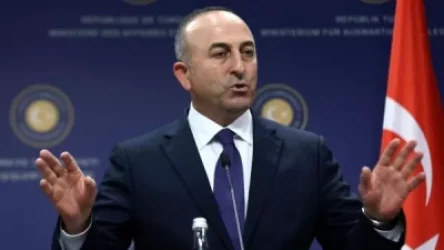
Attempts of Brotherhood by Armenia Are Unacceptable - Cavusoglu
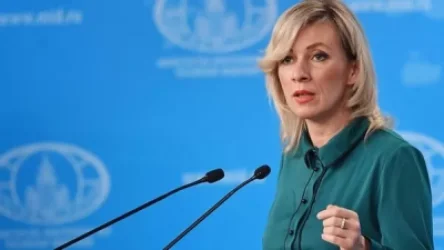
I Hope They Are Aware of This in Armenia: Zakharova on Armenian-Azerbaijani Relations
The Issue of Operating Stepanakert Airport Is Not Within Russia's Jurisdiction: Zakharova
We Are Truly Concerned About the Tensions Surrounding the Lachin Corridor: Peskov
Ավելին Politics բաժնից
«Ուժեղ Հայաստան» դաշինքը պահանջում է չեղարկել խորհրդարանական ընտրությունների արդյունքները
Այսօր փակում են այդ լեգենդար ամբիոնը. Կարեն Քոչարյան
Ուկրաինան երկարաժամկետ պատժամիջոցներ է սահմանում Ռուսաստանի դեմ