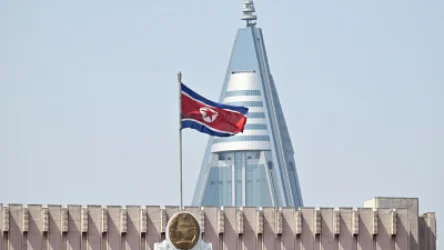
Tense Situation in Iran-Britain Relations
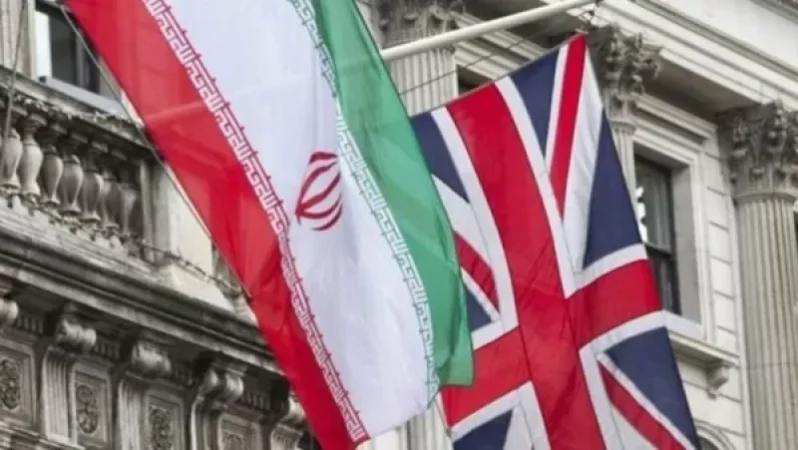
Iran has announced the reveal of a network organized within the country, whose members are allegedly connected to Britain and participated in organizing unrest within the nation. Seven individuals have been arrested. This information released by Tehran follows the visit of Richard Moore, head of Britain's secret intelligence service, to the Caucasus, during which he was notably in Armenia. It remains unclear whether Moore visited Azerbaijan and Georgia, but there is a precedent from CIA director William Burns’ visit—where, having visited all countries in the region, only the Armenian government opposed a fully closed-door visit option. Therefore, it is entirely plausible that there could have been similar circumstances for Moore’s case.
It is unlikely that the head of British intelligence reached the region and was only in Armenia. While there is no basis to claim a direct connection between the information from Iran and Moore's visit, the timeline—following Moore's Caucasus visit with Iran’s announcement regarding the arrest of British citizens—is quite telling and may be Iran's response to Moore's visit. Such a visit is certainly unusual, considering that a special service, intelligence service head is visiting a region where Britain, despite having significant interests, remains an extraregional player.
At the same time, it is well-known Iran's sensitivity to British interests, and in turn, Britain's sensitivity to Iran. In this context, the visit of the British official to the Caucasus is crucial and distinct, as Iran arguably views this as an 'entry' into its vital interests zone. The reaction coming from Iran with the announcement of arrests confirms this sensitive observation and the conclusions drawn from it. This is a 'preventive' response or a reflection of Iran’s knowledge of more detailed information necessitating a hard 'answer' showing determination—it's hard to say, though it is beyond doubt that the information received from Iran is not merely a temporal coincidence.
This indicates that there is a genuinely dangerous rapprochement between two polarities, especially when considering that recently the leadership in Ukraine has made direct calls for attacking Iranian factories, as Tehran is reportedly supplying drones and missiles to Russia for striking Ukraine, according to Kyiv. Iran, for its part, has stated that it will not tolerate such declarations from Kyiv for long, indicating that these are not merely rhetorical but pose risks for political escalation.
Alongside this, Israeli Prime Minister Netanyahu, returning to power, declared readiness to strike in order to thwart Iran’s prospects of acquiring nuclear weapons, following which a phone conversation between Putin and Netanyahu took place. Regional movements are indeed tightening with an increasing risk of ignition and fire bursting forth. This should concern not only Armenia, as the fire in this case will spare none of the countries in the Caucasus.
Նմանատիպ հոդվածներ
Ավելին Politics բաժնից
Մեծ Բրիտանիան Լա Մանշում ռուսական ստվերային նավատորմի լցանավ է կալանել
Տարածաշրջանի ճակատագիրը կփոխվի․ ԱՄՆ-ի և Իրանի գաղտնի հուշագիրն առաջիկայում
Իսրայելում դժգոհ են Իրանի հարցով Դոնալդ Թրամփի հայտարարությունից