Oskenyan on the Events Surrounding Artsakh
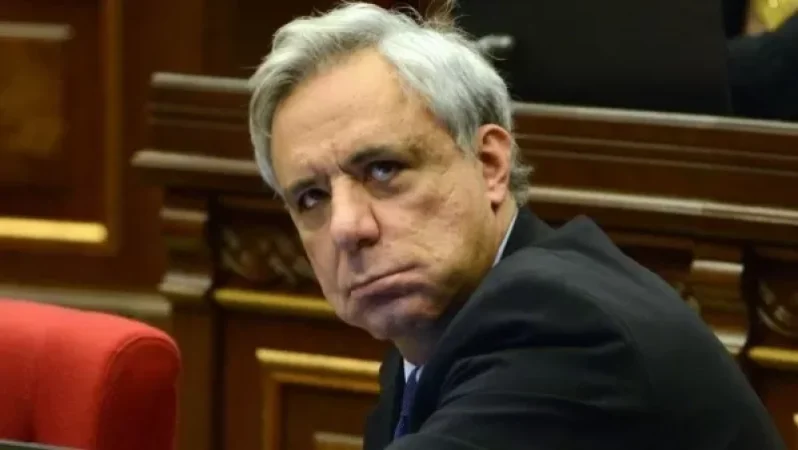
Former Armenian Foreign Minister (1998-2008) Vardan Oskenyan has provided the media with his latest article regarding the events surrounding Artsakh.
In the article, he writes: "The factual, historical, political, and legal justifications for the right of the people of Nagorno-Karabakh to self-determination have always been strong and impeccable. This was the main reason that allowed the right to self-determination to be enshrined in the Madrid Document.
The 44-day war, the subsequent Azerbaijani encroachments, and the current blockade of Artsakh have only further solidified and strengthened the justice of that right and the inevitability of its realization.
The recent two large-scale rallies in Artsakh and the people's display of determination to stand by their rights testify to the fact that the self-determination process is irreversible.
The current events are based on Azerbaijan's belief that it has already resolved the issue of Karabakh in its favor and has imposed its dictates on Artsakh and claims on Armenia. The moment Aliyev realizes that the Karabakh issue is not settled, and the people of Artsakh absolutely reject any status within Azerbaijan, Azerbaijan's claims on Artsakh and Armenia will not only diminish but also become unrealistic.
Our positions are firm and just. If we can present this correctly, the world will understand and support us. All political and legal prerequisites for claiming the right of Artsakh to self-determination have been fully met in the past and even more so today. The fact that Karabakh has never been part of an independent Azerbaijan but only within Soviet Azerbaijan, a period which Azerbaijan itself declared unconstitutional in its own constitution, provides the minimal basis from which a whole complex of legal and political arguments could be formed.
In this context, however, our main trump card is that Azerbaijan abolished the autonomy of Nagorno-Karabakh in 1991 and today claims that there is 'zero status' for the people of Artsakh.
The thesis of Azerbaijan's territorial integrity is a disputed presumption in international law, even under the most narrow and defensive interpretation of that principle because: a) The Armenians living in Artsakh are not some minority within Azerbaijan but a people living on their historical land, distinct from the 'metropolis' in ethnicity, religion, and traditions, and have an unequivocal collective aspiration for self-determination, b) Throughout the Soviet period, its collapse, and even more so during the 44-day war and these recent aggressions and blockades, the people of Artsakh have been continuously subjected to Azerbaijani encroachments; in other words, all their rights of all kinds have been perpetually violated.
Of course, I never intend to suggest that Artsakh should accept any status within Azerbaijan. The fact that Baku refuses to offer even some autonomous status to Karabakh is precisely the violation under international law that grants any people the right to declare their secession or self-determination.
This is the essential precondition for the realization of the right to secession for self-preservation in international political circles and is enshrined in the 1970 UN General Assembly resolution, called the Declaration on Principles of International Law, which has the force of international law. Furthermore, there are at least three precedents (Åland Islands, Katanga, Quebec) where this principle has been used, giving it the status of customary international law. When we also add the International Court of Justice's advisory opinion on Kosovo's independence, stating that it does not contradict international law, the right to secession becomes more than invulnerable for Artsakh.
Interestingly, this principle was the basis for the electoral platform of the ruling Civil Contract Party and later the government program regarding the pursuit of the Nagorno-Karabakh issue. But now there is a deafening silence.
At present, the obstacles hindering this process are not so much the various interests and concerns of other countries, as some claim, but rather the political policies pursued by the Armenian authorities, the contradictory promises made in meetings with different polarities, the inappropriate and inexplicable statements of state officials, and the criminal indifference of a considerable part of our people. In one of my previous articles, I urged the Armenian authorities that if you cannot or do not wish to defend the rights of the people of Artsakh to self-determination, then conversely, do not obstruct others' efforts – just remain silent. However, it would be correct to change the policy and move to the right side of history. Moreover, you are obligated to do so. Armenia cannot wash its hands of Artsakh. If we do not take the initiative and do not engage with Artsakh, then as we observe, this issue will inevitably pursue us back—with unpredictable consequences. Do not exaggerate the expectations of Artsakh being part of Azerbaijan. Such an expectation will inevitably bring war upon us again because the people of Artsakh will not accept it."
Նմանատիպ հոդվածներ
Ավելին Politics բաժնից

Մեծ Բրիտանիան Լա Մանշում ռուսական ստվերային նավատորմի լցանավ է կալանել
Տարածաշրջանի ճակատագիրը կփոխվի․ ԱՄՆ-ի և Իրանի գաղտնի հուշագիրն առաջիկայում

Իսրայելում դժգոհ են Իրանի հարցով Դոնալդ Թրամփի հայտարարությունից