Oil and Grain Shortages Observed in Artsakh Shops, Nearly No Sugar Available
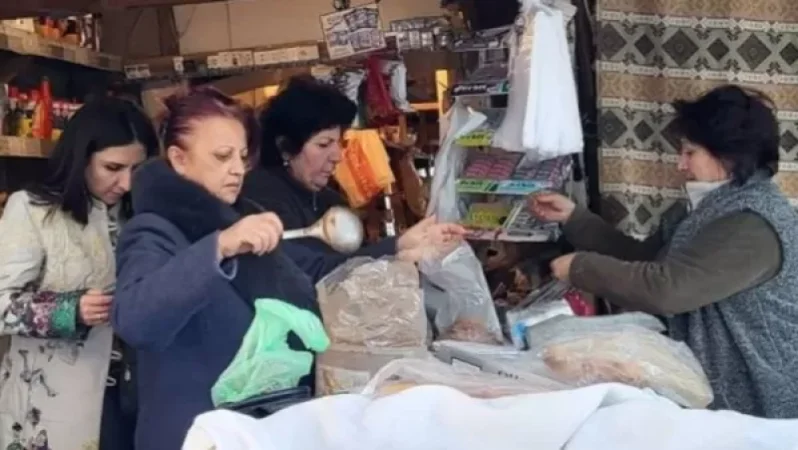
The blockade of Artsakh has been ongoing for 12 days following Azerbaijan's closure of the Lachin corridor, leaving the region deprived of food, medicines, and essential goods supply.
Most fruits and vegetables were imported from the Republic of Armenia, and due to the current circumstances, a shortage of almost all products is experienced in the mentioned market segment.
In an interview with an Armenpress correspondent, Hrach Avtandilyan, head of the Economic Competition Protection Department of the State Commission for Regulation of Public Services and Economic Competition of the Republic of Artsakh, presented the results of monitoring various essential goods markets over the past two days.
“Prior to the blockade, the monitoring by the Commission noted lower prices for more affordable varieties of vegetables and fruits. Now, due to the absence of cheaper goods, we observe a rise in the sale of higher quality products, accompanied by corresponding prices,” Avtandilyan stated, adding that similar observations are also being conducted in the cities of Askeran, Martuni, and Martakert.
When discussing the shortages experienced in recent days, our interlocutor initially mentioned that due to the current situation, monitoring by the Commission is now being conducted on a daily basis instead of the previous weekly routine.
“As of December 22, in the large grocery stores observed in Stepanakert, a shortage of certain products was noted, particularly rice, lentils, flour, oil, locally produced butter, sausages, and certain types of tobacco products. Meanwhile, some products are nearly absent in commercial establishments, particularly sugar, buckwheat, lentils, and ‘Baghramyan’ flour, as well as locally produced eggs,” the head of the Competition Protection Department detailed.
Regarding price changes compared to before the blockade, Hrach Avtandilyan assured that due to the ongoing situation, the Commission is in constant communication with market operators, and their high level of responsibility is evident.
“No one intends to exploit this situation for unreasonable price increases. However, the Commission is vigilant and continues daily monitoring to prevent unjustified price increases on various essential goods, certain medicines, baby food, and diapers to control inflation,” emphasized the sector head, urging the public to immediately inform the Commission about any dishonest behavior exhibited by market operators.
Presenting the findings related to the absence or near depletion of important medications as well as their price changes, our interlocutor informed that daily monitoring is also being conducted in eight pharmacies operating in Stepanakert to prevent unjustified price hikes on medicines, baby food, and diapers. The results of these observations are published on the official website and Facebook page of the Commission to ensure public awareness.
“All complaints regarding unjustified price increases received from citizens and the operational headquarters are recorded, and the Economic Competition Protection Department promptly reviews them, informing the complainants of the outcomes. The Commission conducts explanatory work with pharmacy management to eliminate any manifestations of dishonest behavior towards the public. Otherwise, operators that display such behavior will be held accountable. There are instances when citizen complaints are unfounded, and no price increase has occurred at the pharmacy; in other words, the apparent price change is due to differences in brands, substitutions, country of origin, and dosages,” Avtandilyan noted, stressing that in cases where complaints are substantiated, the Commission will apply measures within its authority.
Նմանատիպ հոդվածներ

When Can the Red Cross Mediate the Resolution of the Crisis in Artsakh and What Can Be Done
Contract Serviceman Reveals State Secret to Enemy for a Trivial Amount

Vruyr Barseghyan Not Mentally Ill, Aware of His Actions: Details from the Expertise
PHOTOS: Citizens Moving Towards the Lachin Corridor Have Arrived at the Checkpoint
Ավելին Society բաժնից
Արցախցիները չեն մասնակցի ընտրություններին. դատական ակտերը բեկանվել են

ՏԵՍԱՆՅՈՒԹ. ՔՊ աջակիցները ծեծի են ենթարկել «Հայաստան» դաշինքի ներկայացուցչին
Լարսից 17 հայկական բեռնատարներ հետ են ուղարկվել. ինչ մանրամասներ են հայտնի