“Pashinyan has flaws in judgment and reasoning that threaten our national security” – Zurabyan
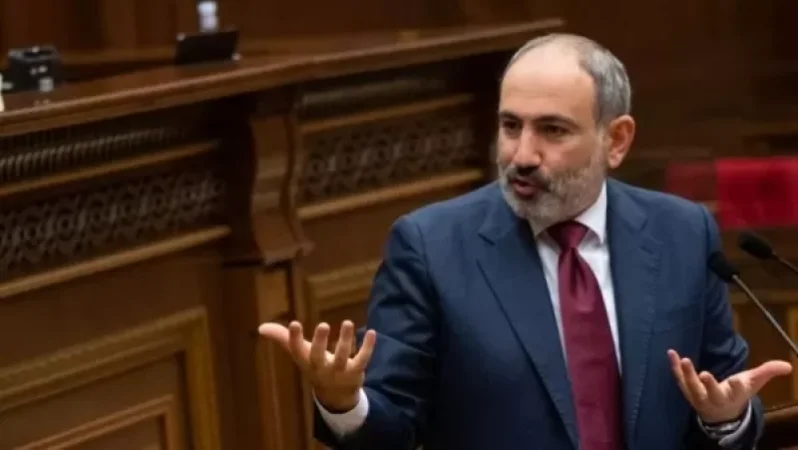
Vice President of the Armenian National Congress, Levon Zurabyan, has published a post on his Facebook page titled, “Pashinyan has flaws in judgment and reasoning that threaten our national security.” Below is the post:
“Yesterday, on December 7th, during the National Assembly's Q&A session, Nikol Pashinyan finally responded to the charge made in my Facebook status on November 25 that the rejection of military assistance provided by the CSTO to Armenia due to a complete lack of political evaluation has harmed our national security interests (details can be seen in that status). Below, I present Pashinyan's response in full (it may be difficult to read, but it is essential because the speaker holds the position of prime minister and controls the fate of Armenia), from which quite interesting conclusions can be drawn.
“We expected that there would be an evaluation (within the CSTO) regarding what had happened. In this context, it is emphasized that an offer of aid was made to us, and we refused some aid. This needs to be clarified very importantly because there is a line there: ‘Provide assistance, including military-technical assistance, to the Republic of Armenia.’ First, it is not clear what specific assistance is being offered; second, accepting that assistance without clear evaluations would mean an indirect (and even direct) acceptance of the status quo established within our borders. Accepting without a clear evaluation would mean that the monitoring mission of the CSTO in that area would simply document and accommodate the status quo. I want the difference to be clear. For example, what happened in Prague? In Prague, the parties clearly recorded each other's territorial integrity based on the Almaty Declaration of 1991, after which it became possible to send an observation mission to the Republic of Armenia. Because, if we do not give the observer a clear direction about where the boundaries are located, what will he come to observe? That is, today the EU observers know that the parties themselves have stated that the borders adopted by the Almaty Declaration are, in fact, our state borders, and they understand what they are dealing with. If, for example, this is not recorded with the CSTO or in any other format, what will the monitoring mission come to monitor? It will simply come to observe and document what has happened. And what has occurred is not entirely clear because it is not clear where the border passes, and therefore it is not clear where the area of the collective security treaty lies. Now, with all this, have the security challenges around the Republic of Armenia decreased? No, they have not decreased. Have they increased? They may have even increased, but our assessment is that by accepting these documents in their current form, they would not decrease and, on the contrary, would continue to grow without any influence. It is very important to record these nuances because very often there are discussions and manipulations taking place, and I deemed it necessary to clarify these nuances.
CLARIFICATIONS:
1. The Prime Minister of Armenia, who presides over the CSTO, does not know what specific military-technical assistance was prepared to be provided to Armenia, has not deemed it necessary to obtain conclusive information on this issue and reflect it in the draft decision, has not presented any proposals developed by Armenia in this regard, and has, in effect, rejected existing offers without knowing their content.
2. The Prime Minister uses an incredibly ingenious argument for ordinary mortals, suggesting that without the acceptance of a political assessment, signing a declaration on assistance by Armenia would mean an explicit or implicit acceptance of the ‘status quo established within our borders.’ As the basis for this thought, he points to the ‘deployment’ of the EU monitoring mission, which, in his view, became possible because Azerbaijan and Armenia recorded each other's territorial integrity in Prague based on the Almaty Declaration of 1991, which, according to the Prime Minister, gives a ‘clear direction’ to the observer. However, it does not become clear why the agreement reached regarding territorial integrity between Azerbaijan and Armenia cannot serve as the same ‘clear direction’ for CSTO observers, who are obliged to respect the joint position of the two conflicting states.
3. In reality, Nikol Pashinyan is merely attempting to hide from our public the fact that the primary and only significant step toward accommodating and fixing the status quo established at the borders was made by none other than the Prime Minister of Armenia himself, by signing an agreement in Sochi on October 31, where, just a few weeks after the events of September, he undertook an international obligation to refrain from the use of force or the threat of force for the purpose of resolving any disagreement. By this, Pashinyan has, in effect, renounced even the theoretical right to expel the Azerbaijani occupiers from our internationally recognized territory by force. It is interesting to note that it has not crossed his mind that by doing so, he is essentially accommodating the established status quo and somehow legitimizing it as a de facto reality.
4. Pashinyan admits that as a result of his decision to reject the CSTO, security challenges around the Republic of Armenia have not only not decreased but ‘may have even increased,’ yet he insists that he went ahead with this step nonetheless, since the acceptance of the declaration would not have any ‘impact’ on the ‘growing’ challenges. Perhaps Pashinyan himself does not even realize that by his own admission and assessment, he has chosen the more harmful option for Armenia's security between the two alternatives that exacerbate the situation and leave no impact on it.
The issue is, of course, not just the specific case related to the CSTO meeting, but rather the flaws in Nikol Pashinyan's reasoning and judgment that have been hanging over our heads as threats to national security with disastrous consequences for four years. For those particularly thick-skinned, let me clarify that I do not consider the response of our allied states within the CSTO to be proper cooperation; moreover, I consider it condemnable, yet the analysis of that situation and the ways to overcome it, as well as the search for alternative security solutions, is a completely different topic that may also need to be addressed in the future.
Նմանատիպ հոդվածներ
Is 10-Year-Old Aram's Letter Fake? MP's Response to Statement from Jermuk
President's Salary Increased by 300,000 Dram: How Much Will Other Officials' Salaries Rise?
Bodies of 13 Armenian Soldiers Handed Over by Enemy Identified

Public Misled: Proceedings Initiated Against Yandex Taxi and Yandex Eats
Ավելին Society բաժնից
Մելիքգյուղում եղբայրները գրտնակի հարվածով սպանել են իրենց մորը. ՆԳՆ

Կառավարությունը փոփոխում է մանկատան շրջանավարտների բնակարանային աջակցության ծրագիրը
Կառավարությունն օտարման նոր որոշում է ընդունել