Pashinyan Visits Ministry of Territorial Administration and Infrastructure: What Was Discussed
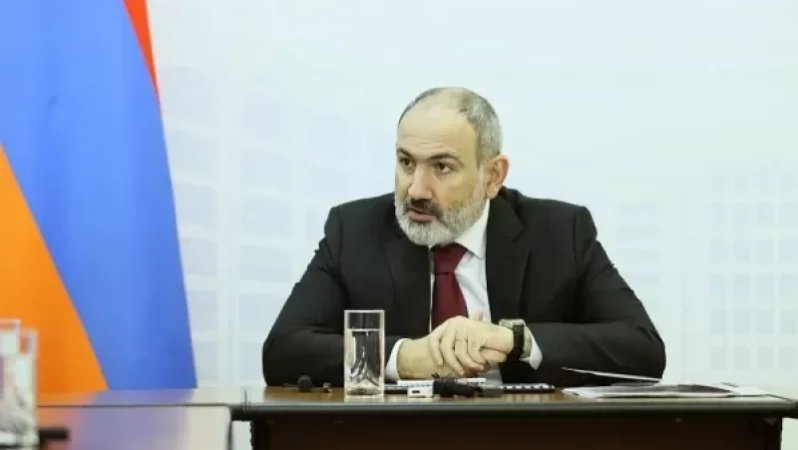
Prime Minister Nikol Pashinyan visited the Ministry of Territorial Administration and Infrastructure to discuss the agency's performance report for 2022.
Attendees included Deputy Prime Ministers Mher Grigoryan and Hambardzum Matevosyan, Chief of Staff to the Prime Minister Arayik Harutyunyan, Head of the State Oversight Service Romanos Petrosyan, officials from the Prime Minister's office, and senior staff from the Ministry of Territorial Administration and Infrastructure.
Minister of Territorial Administration and Infrastructure Gnel Sanosyan and his deputies, as well as the head of the Migration Service, presented programs and measures undertaken by the Ministry of Territorial Administration and Infrastructure according to sectoral directions.
Reforms in the field of territorial administration and local self-government have continued. As part of the community consolidation process, 71 communities were formed instead of 915. Currently, discussions regarding the decentralization of powers are ongoing.
The implementation of electronic governance systems in the form of Citizen Service Offices (CSOs) has continued in communities. This year, CSOs were established in 7 communities, and currently, they have been implemented in 75 settlements within 56 communities. Officials assured that approximately 40 state services can be technically provided through this system.
It was noted that an electronic system for collecting property taxes assigned to communities has been in operation for two years, showing high indicators: in 2022, 800,000 subscribers paid community taxes online.
With the support of the government and international partners, the process of infrastructural development and material-technical support for communities has continued with a framework of approximately 21.9 million USD.
In the waste management sector, the construction works of the sanitary landfill in Hrazdan and transshipment stations in Martuni and Akunk are nearing completion within the "Kotayk and Gegharkunik Solid Waste Management" program, and a competition for the acquisition of garbage bins has been announced for next year.
A program proposal for the implementation of an integrated solid waste management system has been developed for the other 8 regions, which is being discussed with international experts, and it is expected that a design competition will be announced at the beginning of the year.
From 2018 to 2022, 1,897 subsidy programs were implemented in communities, with a total value of about 90 billion AMD. Leading sectors include asphalting, lighting, renovation of public buildings, improvement of water infrastructure, kindergartens, and more.
Preliminary applications for subsidy programs for 2023 have already been received, with 459 projects submitted worth over 112 billion AMD in total. The Ministry of Territorial Administration and Infrastructure is conducting constant monitoring of 481 completed and under warranty programs from 2022, resolving about 80 percent of identified deficiencies, and the process is ongoing.
Road network restoration and development programs have continued, focusing on modernization, quality, and safety improvements. It was noted that the targeted goal of 500 km of road construction for 2022 has been exceeded, with the current implementation totaling 530 km of asphalt laying. Most of this consists of major repairs, with also some medium repairs conducted. Particularly noted were works being carried out in Syunik region, where new roads are being constructed.
Reports were provided on the progress of the North-South investment program and road safety improvement program, indicating that several strategically significant projects have been completed. Current reforms and initiatives regarding road management and maintenance were presented.
The Prime Minister was briefed on the process of installing gas cylinder equipment on vehicles and periodic certification processes for 2022, noting that by November of this year, 66 licenses were issued, with 152,000 gas cylinders verified, indicating that approximately 5,000 gas cylinders were defective during certification, of which 4,600 were outdated and potentially hazardous.
The process of granting licenses and permits in other areas has continued, including 19 licenses for technical inspection stations. Competitions have been organized for the selection of operators for the unified route network in various regions, with some already modernized and others still in progress.
Work has been presented on the electronic system for collecting road fees and the projects implemented in the railway transport sector.
In the energy sector, processes continued for extending the operational lifetime and ensuring safety for the second energy block of the Armenian Nuclear Power Plant, resulting in an extension of the license until 2031. Reconstructions of energy infrastructures have been carried out, along with the construction of new substations, and projects for the construction of power transmission lines between Iran-Armenia and Armenia-Georgia are ongoing.
The state support program for the energy-efficient renovation of apartments and individual houses has been launched, with the number of beneficiaries exceeding 400. A national program for renewable energy and energy efficiency for 2022-2030 has been developed.
In the mining sector, legislative improvements continued in 2022. More than 50 permits for resource use were provided, and parallel administrative oversight highlighted a positive dynamics in enterprises' compliance with obligations. The development strategy for the mining sector is under development.
In the field of migration, digitization of services and institutional reforms have been implemented. A unified electronic platform for the involvement of foreign workers has been launched ('workpermit.am'), along with electronic systems for the management of readmission, asylum applications, and refugee claims. The housing provision program for families forcibly displaced from Azerbaijan between 1988-1992 is nearing completion, which has also been implemented in Yerevan since 2019 for the first time.
The Prime Minister emphasized the priority of territorial administration and infrastructural reform and inquired about various programs and activities. Details were provided to the government leader regarding this matter. An exchange of ideas took place regarding the implemented and initiated measures by sectors, and the next steps were discussed.
The Prime Minister stressed the importance of ensuring the quality of subsidy programs, targeted implementation of community consolidations, the relevance of electronic governance systems, proper organization of waste management, asphalting of rural roads, the introduction of modern systems for road maintenance and weighing, and the strengthening of regulatory control over gas stations. Several instructions were given to the responsible parties. Nikol Pashinyan highlighted the necessity of proper public awareness and active public communication regarding sectoral reforms.
Նմանատիպ հոդվածներ
This Declaration Does Not Recognize Nagorno-Karabakh as Part of Azerbaijan, Babayan Says
Armenia and Azerbaijan's Foreign Ministers Agree to Accelerate Negotiations: Price
«There Are Things That Cannot Be Denied» - Grigoryan Responds to Hajiyev
Extraordinary Security Council Meeting Held Under Pashinyan's Leadership: What Was Discussed
Ավելին Politics բաժնից

Թրամփը Իրանի նկատմամբ «եռակի հաղթանակ» է տարել. ԱՄՆ նախարար
Իրանը ձեռնարկել է աննախադեպ անվտանգության քայլեր
ՏԵՍԱՆՅՈՒԹ. Ղարաբաղն ու Ուկրաինան փոխել են պատերազմի կանոնները․ Հունաստանի ՊՆ