What Has the President of Artsakh Conveyed That the Political Field Prefers to Remain Silent?
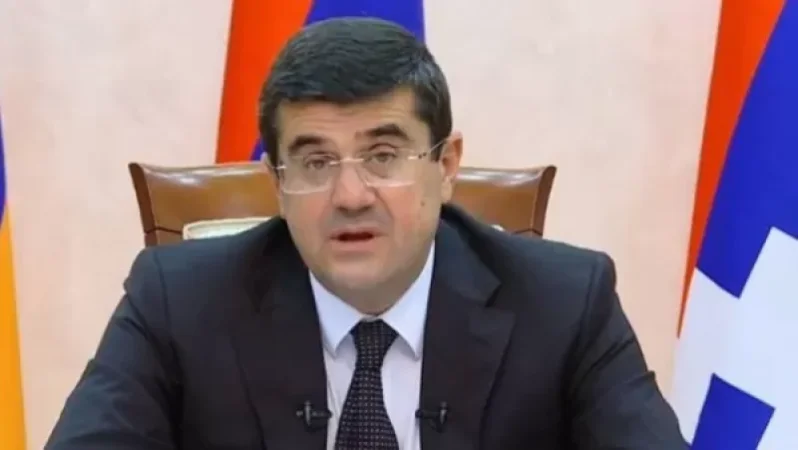
The newspaper "Hraparak" reports: A delegation led by the President of the Republic of Artsakh, Araik Harutyunyan, returned to Stepanakert on Sunday after a series of meetings in Yerevan last week. In the coming days, several meetings and discussions are expected, during which the delegation from Yerevan will present the details of the meetings that took place in Yerevan.
Yesterday marked the start of these meetings, with Harutyunyan receiving representatives of political forces presented in the National Assembly at the Presidential Administration, while today an expanded session of the Artsakh government is scheduled. "The President proposed that discussions also take place in the format of a National Assembly session in the coming days," said presidential spokesperson Lusine Avanesyan.
Discussions are also planned with members of the Public Council of Artsakh and other social groups, the spokesperson added, noting that Araik Harutyunyan accepted an interview proposal from Artsakh Public Television and will respond to the main questions of public concern at the end of the week after all meetings and discussions.
It should be reminded that the delegation in Yerevan met with the Secretary of the Security Council, the Minister of Foreign Affairs, and the Presidents of the Republic of Armenia and the National Assembly. Prime Minister Nikol Pashinyan hosted the delegation on October 16. The government’s press release was rather brief, and it was not even possible to guess what the sides discussed: "The ongoing discussions with Azerbaijan were addressed. The Prime Minister noted that, as in the past, Artsakh partners will be provided with full information regarding the discussions in the future." Delegation members' comments were also fragmented. However, among the five-member delegation, only Foreign Minister David Babayan managed to field questions from Armenian journalists, repeating the assertion that no one could make Artsakh part of Azerbaijan.
Among the delegation were also the President of the National Assembly of Artsakh Artur Tovmasyan, the chairman of the Permanent Commission on Foreign Relations of the National Assembly Vahram Balayan, and presidential advisor Masis Mayilyan. The delegates have not responded to our calls for several days. It is evident that a depressive mood prevails. Following a meeting with Araik Harutyunyan on October 17, the released statement was vague: "The details of the meetings were presented, an agreement was reached to continue political consultations between various bodies of the Republic of Armenia and the Republic of Artsakh in the created situation. Discussions will continue during the session of the Artsakh government called tomorrow and during a meeting with the National Assembly members." From the closed meeting, however, some details have surfaced; specifically, the Artsakh political field was conveyed the official position of Yerevan, stating their desire not to leave Artsakh as part of Azerbaijan, but due to the circumstances, they have no alternative. By recognizing Azerbaijan's territorial integrity, they are in fact saving Armenia, but that does not mean they will renounce financing Artsakh, etc. They will try to present that the issue of Artsakh is not a territorial issue, thus making public statements that they do not have territorial disputes with Azerbaijan.
Members of the National Assembly of Artsakh received the impression from the discussions that the Armenian authorities' hope lies in changing international balances; that by not rejecting Azerbaijan's demands, they should buy time, strengthen themselves, and negotiate again from a position of strength, especially since, according to assurances from the Armenian authorities, signing a peace agreement is not a question for the near future.
According to our sources, the meeting with Harutyunyan took place in a rather heavy atmosphere, as everyone understood that the Armenian authorities are leaving Artsakh to its fate. They were told directly, "Do not rely on us." It is noteworthy that after the meeting, members of the National Assembly avoided answering our calls.
Samvel Babayan’s "United Homeland" party faction leader, Marcel Petrosyan, who participated in the meeting, was noticeably agitated: "I do not want to answer. I do not respond to questions over the phone." We inquired whether at least their concerns regarding the fate of Artsakh had been alleviated and what messages the Armenian authorities had conveyed. After a brief pause, Petrosyan responded incomprehensibly: "It’s fine…" and hung up the phone.
The leader of the "Justice" faction, David Galstyan, also promised to respond later but failed to fulfill his promise. Even the leader of the Armenian Revolutionary Federation, kind-hearted Arthur Mosiyaan, said: "I am currently busy, this is not a convenient place, let's talk later, we only have been informed about what has been discussed, that’s all, now is not a good time to speak." When we asked if their concerns regarding whether Artsakh would not be part of Azerbaijan had been allayed—concerning the messages from the Armenian authorities received after the agreements in Prague—he said, "I don’t know, there’s another meeting planned for the end of the month, perhaps it will be clearer after that, now, I say, it’s not a good time." And are the reports true that the Armenian authorities have indicated to the Artsakh delegates that by "renouncing" Artsakh, they are trying to save Armenia? "They've had several meetings, but I don’t know with whom such conversations took place. Let’s talk tomorrow," Mosiyaan replied.
It’s worth noting that later on, another source told us that Nikol Pashinyan not only indicated that they should not pin their hopes on him, but also hinted that they should not rely on the Russians either. The anxiety among the residents of Artsakh is largely regarding this aspect rather than the behavior of Armenia, which they have long had no illusions about.
Նմանատիպ հոդվածներ
The Government of Armenia Has Taken Admirable Steps: Statement from Erdoğan's Spokesman
Pashinyan on the Draft Decision to Open Checkpoints on the Armenian-Azerbaijani Border
Armenia Approaches Iran for Purchase of Combat Drones: Safavi
Turkish Student Punished in France for Denying the Armenian Genocide
Ավելին Politics բաժնից
Կարևոր ուղերձ՝ ՌԴ–ՀՀ հարաբերությունների ֆոնին
ՌԴ-ն պնդում է` ամերիկյան միջուկային զենքը պետք է դուրս բերվի Եվրոպայից
Վերահաշվարկից հետո կուսակցությունների ձայների հաշվեկշռում փոփոխություններ են արձանագրվել