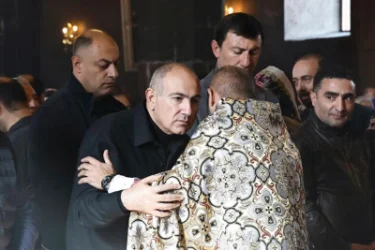
We are ready to negotiate directly with Azerbaijan: Minister of Foreign Affairs of Artsakh

The Minister of Foreign Affairs of the Republic of Artsakh, Davit Babayan, has addressed the possibility of direct negotiations between Artsakh and Azerbaijan. In an interview with "Armenpress," Babayan emphasized that there is a clear format for the resolution of the Azerbaijani-Karabakh conflict, which was accepted during the OSCE summit in Budapest in 1994.
“The issue is to maintain that format, where Artsakh is recognized as both a party to the negotiations and a party to the conflict. Of course, we are ready to negotiate directly with Azerbaijan, but a comprehensive resolution of the conflict is necessary, involving the co-chairs of the OSCE Minsk Group, Azerbaijan, Artsakh, and Armenia in this process. We can perceive direct negotiations in various ways, but if we are talking about political matters, Azerbaijan must recognize our subjectivity and Artsakh as a full party to the conflict; only then can we negotiate as equals,” said Davit Babayan.
According to him, it is natural that Azerbaijan will do everything possible to avoid meeting with representatives of Artsakh and discussing the resolution of the Azerbaijani-Karabakh conflict, so there is a need to strive for the restoration of a complete format.
“There are contacts that are necessary. For example, if their side has passed a shepherd, then there needs to be some contact for the return of that person, for the search of our fallen people's remains, which, of course, requires some interactions, naturally, alongside Russian peacekeepers. In other words, regardless of our wishes, some contacts are necessary, which, however, is not appropriate to call negotiations on foreign political issues,” Babayan elaborated.
Davit Babayan also commented on what priorities are present in the context of Azerbaijan's recent attack on Armenian sovereign territories and what the agenda is on the diplomatic front, considering security challenges. He assessed that it is essential to conduct a very precise and wise foreign policy, understanding that the security of Artsakh and the reliable and dignified future of its people cannot be ensured without that.
“It is necessary to avoid adventurism. We have natural allies, brotherly countries. In general, the Armenian people, like the Jews, are among the few capable of having normal relations with many countries, even those that have poor relations with each other. We have a diaspora and are obliged to maintain good relations with all countries where there is an Armenian community. This benefits our interests, but this does not mean that it should be realized at the expense of one another. I find this unacceptable. Given that 3 million Armenians live in Russia, why should we be anti-Russian, especially when the future depends on it? If there are no Russian peacekeepers, there will be no Artsakh. This does not mean we should become enemies with the West, not at all, because there are 2 million Armenians in the United States. Should the only criterion for being pro-Western be anti-Russian sentiment? This is not a normal phenomenon. We are obliged to have good relations with our natural ally, which have objectively formed over a long period. In general, any civilization should be studied and respected, and we should think about what we can emulate from it that could be beneficial to us. I believe this is the right approach,” concluded Davit Babayan.
Նմանատիպ հոդվածներ
Ավելին Politics բաժնից

Չի կարելի թույլ տալ միջազգային դատարաններից Ադրբեջանի դեմ ներկայացված հայցերի հետքաշում. Տաթևիկ Հայրապետյան

Գագիկ Ծառուկյանը Հիսուսի հսկայական արձանով ցանկանում է «նոր բրենդ» ստեղծել Հայաստանի համար. The Guardian
Ռուսաստանը սպասում է սեփական նպատակների իրականացմանն ու հաղթանակի