Death Penalty for State Treason: What the Prosecutor General Proposes

During the 44-day Artsakh War and the events that followed, the study of criminal proceedings initiated regarding apparent state treason indicates that manifestations of state treason, constituting a grave crime against state security, have become paramount in the context of security challenges present in the region. These manifestations include the use of modern technologies and methods by special services of enemy states to recruit Armenian citizens and engage them in agent networks. This situation underlines the necessity of strengthening the legal fight against such crimes and tightening punitive policies.
There are abhorrent manifestations of state treason which compel urgent issues of social justice and security to call for the most severe penalties, including the death penalty, against those committing similar acts. Considering the importance of this issue, the Prosecutor's Office has examined the framework of international commitments relevant to this area, finding that Armenia does not have a direct international legal obligation to impose an absolute ban on the death penalty.
The primary prohibition on condemning and actually applying the death penalty in Armenia is provided by Article 24 of the Constitution of Armenia, which states that no one can be condemned to or subjected to the death penalty. This constitutional norm is imperative, meaning that this ban can only be overcome through an appropriate amendment to the Constitution of Armenia.
Simultaneously, Article 76 of the Constitution stipulates that in times of emergency or martial law, deviations from obligations in the field of human rights are possible within the framework of international commitments. Given these realities and the level of security threats arising from manifestations of state treason, Armenian Prosecutor General Arthur Davtyan has formally addressed the President of the Council on Constitutional Reforms, Minister of Justice Karen Andreasian.
Arthur Davtyan has proposed to discuss the possibility of establishing constitutional-legal regulations that would allow the application of the death penalty as a form of punishment for the gravest crime against state security, state treason, within the framework of constitutional reforms.
Նմանատիպ հոդվածներ

Video: Exclusive Footage of the Explosion at Surmalu
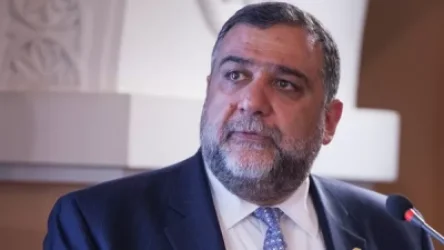
Ruben Vardanyan Decides to Renounce Russian Citizenship and Relocate to Artsakh: Statement
Lawyer Publishes List of Violations Against Mikayel Arzumanyan
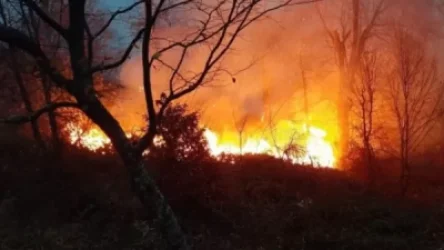
Azerbaijanis Set Tires on Fire and Rolled Them Down the Slope: Fire in Norabak Cannot Be Extinguished
Ավելին Society բաժնից
Հայաստանում ԱՄՆ դեսպանատունը հայտարարություն է տարածել

ՊՆ–ն զգուշացնում է. ավիացիոն թռիչք կկատարվի

ՏԵՍԱՆՅՈՒԹ. Պառակտում քեմալականների շրջանում. բախումներ Թուրքիայում