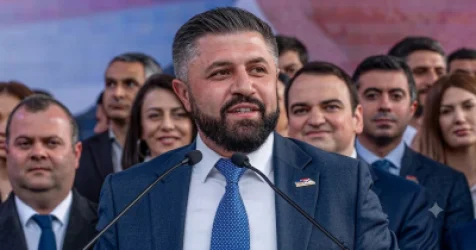
Osakanian Identifies 'Three Diplomatic Mistakes of Pashinyan'
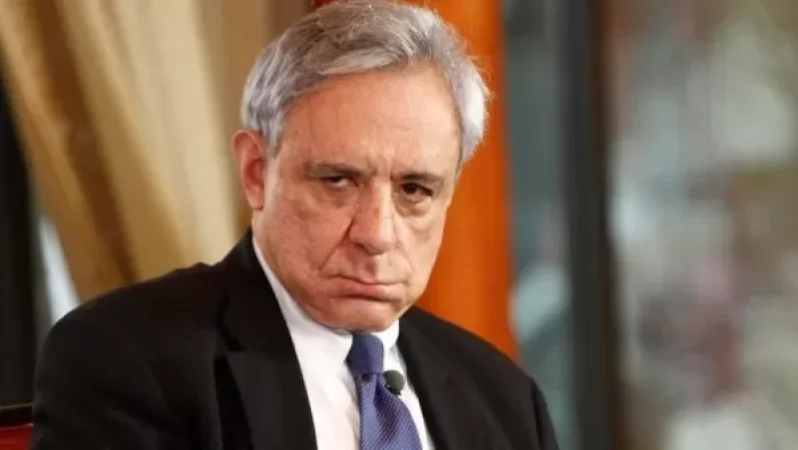
The government of Armenia formed in 2018 was far from basic knowledge of diplomacy and international relations and continues to remain so. This opinion was expressed by former Armenian Foreign Minister Vardan Osakanian in an article provided to the media.
He noted that he still firmly believes that this circumstance is the main reason for the human and territorial losses we have suffered and continue to endure.
“Nikol Pashinyan's first diplomatic mistake was that he reached an agreement with Aliyev not to fire at the front in order to stabilize and strengthen the positions of the newly formed government within the country, which the Azerbaijani side fully complied with. At first glance, this may seem like an innocent, even clever move. However, this was the first gross diplomatic error, which created expectations on the Azerbaijani side for significant concessions from Armenia in exchange for a short period of tranquility along the border,” Osakanian wrote.
Speaking about Pashinyan's second mistake, Osakanian recalled that he completely disregarded all previous rounds of negotiations and related documents, declaring that he would start negotiations from his zero point. “This was precisely what Azerbaijan wanted, creating an opportunity to rid itself of the undesirable provisions found in the negotiation documents, accepted by the mediators, and fundamental principles, such as the right to self-determination of Artsakh, while simultaneously showcasing the Armenian side's unreliability and seriousness to the mediators and to a broader group of countries regarding the agreements reached,” Osakanian noted.
According to the former minister, Pashinyan's third diplomatic failure was his lack of a clear stance and policy on the Nagorno-Karabakh issue on one hand, and on the other hand, his conflicting and contradictory statements regarding this issue. “Initially, there were vague and chaotic thoughts, then he insisted that the resolution of the issue should be acceptable to the peoples of Armenia, Artsakh, and Azerbaijan. And finally, the statement 'Artsakh is Armenia and that's it.' I believe that these deep contradictions in his thoughts gave Azerbaijan a pretext to justify the impossibility of resolving the issue through negotiations and to somewhat justify the instigation of war,” Vardan Osakanian wrote.
He noted that unfortunately, this trend and the parade of diplomatic mistakes continue, causing us new, but unequivocally avoidable human and territorial losses.
“The fatalism of being powerless in the face of strength and the lack of basic diplomatic skills lead to the mentality of ‘let’s agree to everything and get out.’ There’s no other way to explain how, in the post-war period, the five points of the further negotiation agenda proposed by Azerbaijan were fully accepted at once—at the level of the Prime Minister and Foreign Minister—without even starting negotiations,” Osakanian wrote.
He presented his version of a response in favor of Armenia. “You have the right to present any issues to the negotiation agenda, and the Armenian side will not shy away from discussing them. Hence, based on the same logic and having such expectations from you, we present our agenda questions: – The future status of Nagorno-Karabakh, – The fate of Shushi and Hadrut as an inseparable part of Nagorno-Karabakh, – The issue of the return of Armenian prisoners of war held in Azerbaijan, – The withdrawal of Azerbaijani armed forces from the sovereign territory of Armenia, – The possibility of restoring the Minsk Group's negotiation format, – The deadlines for the deployment of peacekeeping forces in Nagorno-Karabakh, – Other issues.”
There’s no question in this proposed agenda that could provoke unexpected diplomatic and military reactions. This agenda is undoubtedly clear and comprehensible to the mediating parties. According to Osakanian, it is the absence of this that raises astonishment among all those who still do not believe that even this government lacks the skill to articulate it.
“Today, the primary task of Armenian diplomacy is to enter into long-term negotiations with a balanced agenda,” the diplomat advises, reminding that diplomacy is a platform of endless possibilities. Osakanian believes that even in the most hopeless situations, it is possible to correct and rectify something. Fatalism has nothing to do with real impotence. It is a combination of a lack of skills, knowledge, and experience, and the stubbornness of not admitting one’s own mistakes and not paying heed to advice. This is what we have been witnessing for more than three years now. And as a result of exclusively this, we are facing endless losses.
Նմանատիպ հոդվածներ

Ավելին Society բաժնից
Լարսից 17 հայկական բեռնատարներ հետ են ուղարկվել. ինչ մանրամասներ են հայտնի
Նոր զարգացումներ Արծրուն Մարգարյանի սպանության գործով
ՔԿ-ն` մանրամասներ է հայտնել Մասիսում տեղի ունեցած ծեծկռտուքից