Concrete Agreements Reached, That Is...”. Grigoryan on Armenia-Turkey Relations
The Nagorno-Karabakh issue is not a territorial one for Armenia. In this regard, the security and rights of the Armenian population of Nagorno-Karabakh are fundamental for us.
During one of his speeches in the National Assembly, Prime Minister Pashinyan noted that there is an idea to separate the Nagorno-Karabakh issue from Armenia-Azerbaijan relations. We should actively discuss this option now and determine how to move forward.
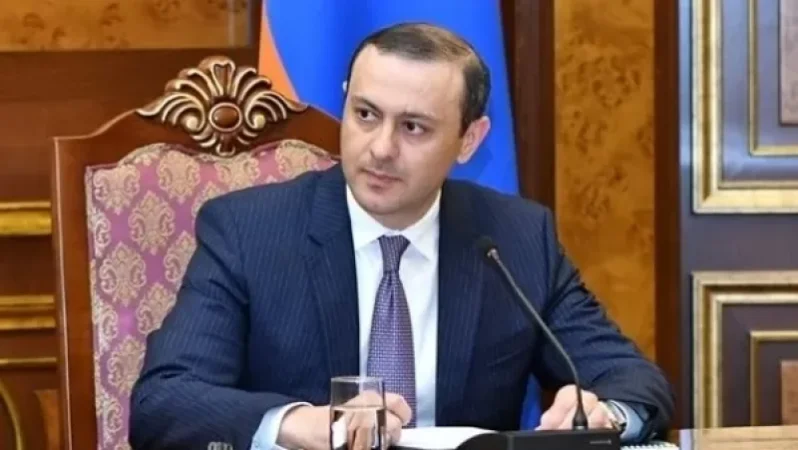
Armen Grigoryan, the Secretary of the Security Council of Armenia, mentioned this in an interview with Armenpress. Below is the full interview.
Mr. Grigoryan, recently there have been assessments from geopolitical centers indicating that there is a serious opportunity for the resolution of Armenia-Azerbaijan relations, thus establishing long-term peace and stability in the region. Does the Armenian government see such an opportunity?
The fact that the Armenian government has declared the peace agenda as a state strategy and policy is direct evidence that we see such an opportunity. This opportunity becomes more tangible considering that the Armenian government and the political majority have taken on the responsibility for the realization of the peace agenda, understanding that it is not an easy path. I believe that the commitment of the Armenian government and political majority to the peace agenda is an important factor for the assessments coming from various international platforms.
What roadmap do you envision for the implementation of the peace agenda?
The agenda is well-known: work on border demarcation and increasing the level of border security with Azerbaijan has already started, and the second meeting of the commission on border demarcation and border security issues is scheduled for late August in Moscow, along with the opening of regional communications...
Azerbaijan claims that Armenia is delaying the resolution of these issues.
The meeting of the commission on border demarcation and security issues was scheduled for late August at the initiative of the Azerbaijani side. The Armenian side was ready for the second meeting in June and July. We have repeatedly expressed our willingness to open regional communications. Recently, a package of proposals we submitted through diplomatic means back in December 2021 surfaced online, which is still valid today. We have also made several other proposals, and we are greatly interested in the issue of opening regional communications, which is part of the 'Armenian Crossroads' project.
Of course, the specific route for the east-west section of the project is open for discussion; we have never emphasized the possibility of only one option, and finding the most efficient route is equally important to us, as its effectiveness and attractiveness depend on that.
In the trilateral working group on communications led by the Deputy Prime Ministers of Armenia, Azerbaijan, and Russia, we are seeing some progress and are determined to continue in the same spirit.
So, does the establishment of peace with Azerbaijan consist of these two steps? What will happen to the status of Nagorno-Karabakh?
No, the culmination of the roadmap you mentioned and the peace agenda is, of course, the signing of a peace treaty with Azerbaijan. You know that Azerbaijan has presented five points in this regard, and the Republic of Armenia has stated that there is nothing unacceptable in them.
Including recognizing Azerbaijan's territorial integrity? Does Armenia recognize Azerbaijan's territorial integrity and have no territorial claims?
Armenia recognizes Azerbaijan's territorial integrity precisely because that is part of our legislation. We have repeatedly stated that Armenia and Azerbaijan recognized each other's territorial integrity and inviolability of borders back in the agreements signed and later ratified regarding the establishment of the CIS in 1991. And this is now part of the legislation of both Armenia and Azerbaijan. This should also be expressed at the bilateral level. And as we have said, there is nothing unacceptable for us in such a prospect, and yes, Armenia has no territorial claims against Azerbaijan.
And what will happen to the issue of Nagorno-Karabakh and its status?
We have repeatedly said that the Nagorno-Karabakh issue is not a territorial issue for us. In this regard, the security and rights of the Armenian population of Nagorno-Karabakh are fundamental for us. Prime Minister Pashinyan indicated in one of his speeches that there is an idea to separate the NK issue from Armenia-Azerbaijan relations. We should actively discuss this option now and determine how to proceed.
This means entering into a peace treaty with Azerbaijan without a final resolution of the NK issue?
Such an idea also exists. But at this moment, it is too early to talk about any such formulation.
And what security guarantees should there be for the people of Nagorno-Karabakh?
There is an international guarantee for ensuring the security of the Armenian population of Nagorno-Karabakh, which is the presence of Russian peacekeeping forces. We should work on further enhancing this guarantee, but the demilitarization of the Nagorno-Karabakh issue is an important idea.
In general, is Armenia ready to sign a peace treaty with Azerbaijan?
In general, I think we are moving in that direction.
What about the return of prisoners, clarification of the fate of the missing persons? Is the resolution of humanitarian issues a requisite companion to peace?
Yes, humanitarian issues, including the preservation of cultural heritage, must be addressed. All these issues, of course, need to be addressed. By the way, in the last two years, Armenia has handed over 130 bodies of Azerbaijani soldiers missing from the First Nagorno-Karabakh War to Azerbaijan. We are ready to actively cooperate on this issue as well, and we expect the same from Azerbaijan. The Armenian side has more than 770 missing persons from the First Nagorno-Karabakh War. In the 44-day war, our number of missing persons is 203.
The day before, the Ministry of Territorial Administration and Infrastructure announced that the reconstruction of the Kornidzor-Tegh-M12 highway is scheduled to begin in August. Is this the new route for the Lachin Corridor? And when will the construction be completed?
Yes. The construction will be completed by the deadlines set forth in the trilateral statement of November 9, 2020.
And how do you assess the prospects of Armenia-Turkey relations?
The special representatives of the two countries have reached concrete agreements, namely to open the border for citizens of third countries and to begin air cargo transportation between the two countries. The Prime Minister of Armenia and the President of Turkey agreed on July 11 during a phone conversation to implement these agreements and take further steps. It is clear that we are committed to these agreements, especially since Russia, the USA, France, Iran, Georgia, and the EU support the process of normalizing Armenia-Turkey relations.
Նմանատիպ հոդվածներ
Ավելին Politics բաժնից
Ընտրական գործընթացի շուրջ նոր զարգացումներ կան
Պենտագոնի հարկերը փակվել են. մանրամասներ
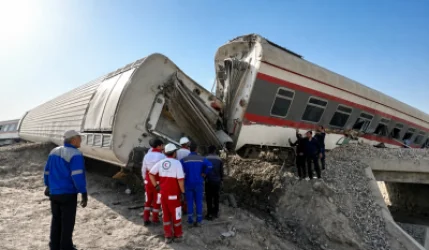
Իրանում ռելսերից դուրս է եկել մարդատար գնացքը