What Will Happen to Artsakh if It Becomes Part of Azerbaijan? The Ombudsman of Artsakh Presents a Vivid Example
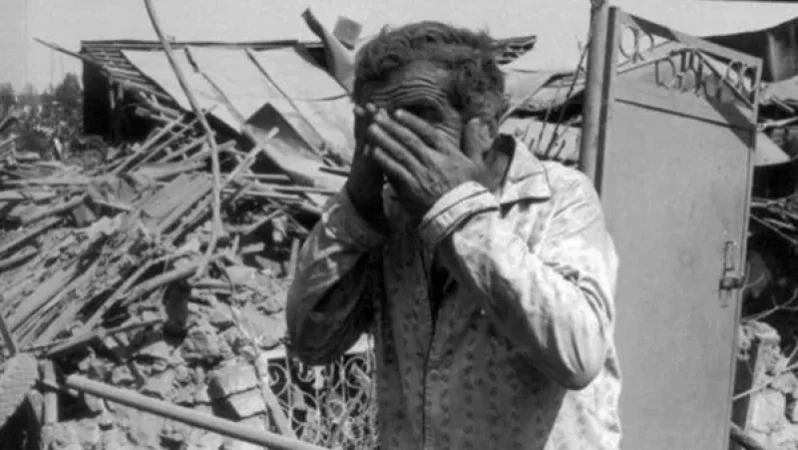
The fate of the Shusha district is a vivid example of any status of Artsakh under Azerbaijan. This topic was addressed by the Ombudsman of Artsakh, Gegham Stepanyan, on his Facebook page.
“30 years ago, due to Azerbaijan's oppression, attacks, and criminal actions, the 20,000 residents of the Shusha district of the Republic of Artsakh were subjected to displacement and dispossession, more than 700 people were killed or went missing, historical Armenian settlements were depopulated and subjected to plunder, and the spiritual and cultural values of the region were vandalized and destroyed.
“Armenian homes were divided, and Azerbaijani 'new owners' wrote their names in oil paint on the gates. The church was desecrated, transformed into a sheepfold. The cross was broken, the bell was riddled with bullets fired from a gun, and the pieces were scattered here and there,” eyewitnesses recount.
The crimes against the residents of Shusha were acts of 'punishment' for their exercise of the right to free expression and the right to live independently and with dignity in their homeland.
The issues of justice for the displaced Shusha residents based on ethnic-religious affiliation and the restoration of their violated rights were not clearly enshrined in the negotiation agenda, and the Azerbaijani authorities were never held accountable for the crimes committed against them. Furthermore, this impunity continues to breed new crimes, as witnessed during the Azerbaijani aggression unleashed against the people of Artsakh in April 2016 and September 2020, and we continue to witness this after the trilateral declaration of November 9 regarding the ceasefire.
The international community continues to demonstrate condemnable indifference to what is happening, which does not conform to the principle of universality of human rights protection,” he wrote.
Նմանատիպ հոդվածներ

Ավելին Society բաժնից

Ուղեգծերը փոփոխվել են. հայտարարություն Երևանի քաղաքապետարանից
Երևանում կներկայացվի ՀՀ ռազմարդյունաբերական ներուժը
Բացահայտվել է ընտրական բնույթի 78 հանցագործություն․ 24 անձ ձերբակալվել է