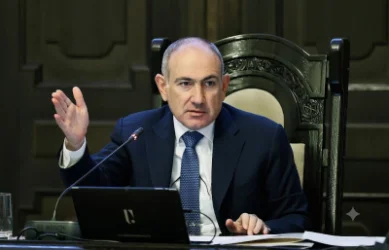
Baku Has Definitively Chosen the Military Path Since After Key West in 2001: Tatevik Hayrapetyan
Former MP Tatevik Hayrapetyan writes: “After the war, Aliyev has proudly admitted in several public speeches that he did not seek a peaceful resolution to the issue but chose the path of war. For example, on April 30 of this year, during a meeting with the military, the dictator of Baku stated: 'We won on the battlefield, not through negotiations or concessions, but by shedding blood and making sacrifices.'
Another example is from August 30, 2021, during a speech in the occupied Shushi, where Aliyev said: 'We came here as a victorious people. We did not come through negotiations as a concession from Armenia, but by shedding blood, making martyrs, showing self-sacrifice on the battlefield, restoring territorial integrity and our national dignity.'
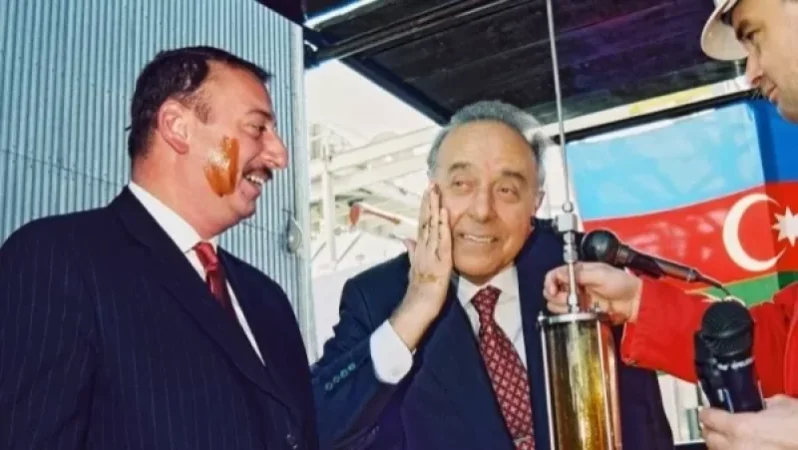
Why do I consider it important to record these statements? Because this is a clear admission by Baku that they did not choose the peaceful resolution to the issue, but opted for the military path. In my opinion, such a decision in Baku was definitively made after the Key West talks in 2001. This claim is substantiated by Heydar Aliyev's speech in the Milli Mejlis on February 23, 2001, where it was clearly stated that if a peaceful resolution is not chosen, they would follow the path of war.
I have highlighted a portion of that speech by Heydar Aliyev:
‘...Some people insist that Nagorno-Karabakh should be given cultural autonomy; it is impossible to grant them territorial autonomy, etc. Let’s think realistically. They did not accept the territorial autonomy that was formed in 1923 and started a war in 1988. So much blood was shed and our territories were occupied; is it possible to return them to that autonomous region’s status now? It is impossible.
Some people say, 'Let’s start a war; we have a strong army.' Azerbaijan has a strong army. Sometimes I discuss this issue in the Security Council. Azerbaijan has a powerful army. It is possible to start a war. But is it necessary? Who supports the war? Let’s sit down and write what will happen as a result of that war. First, we have seven occupied regions, as well as Nagorno-Karabakh. People are living in tents. How much time is needed, and how much blood must be shed to clear all that? Second, who will accept the war in the international community today? Third, from the very beginning, the international community has thought that Azerbaijanis killed Armenians there. If we start a war, they will say, 'Yes, Azerbaijanis again want to kill Armenians.' I do not shy away from war. If our society comes to the conclusion and a clear strategy is developed that people want war, then we must start a war; our army has that power, do not worry. Some people say, ‘Let’s create a strong army and start a war in five or ten years.’ Others say, ‘Let’s freeze the issue.’ But how long can we freeze this issue? Some people say that Armenia's economy is in a heavy situation, people are leaving their country, etc. There is some truth in that. Armenia's economy is in a heavy situation. But the situation of Georgia’s economy is even worse. Our economic level is high; everyone confirms that. How long must we wait for Armenia’s economy to collapse, for Armenia and Nagorno-Karabakh to collapse, and then for us to go back to reclaim those regions? How long must we wait? I am ready to discuss all proposals. The purpose of this discussion has been to talk about them. I am waiting for proposals from you...’
After the death of Heydar Aliyev in October 2003, his son Ilham Aliyev took over, beginning to adopt far more militaristic positions, leading the country down the path of war.
The Armenian side, instead of presenting all this to the international community, is busy lowering the standards, undermining our compatriots' right to self-determination in Artsakh, which is explicitly documented by the same international community. The thesis that we should concede or accommodate Baku's demands for stability or not to provoke Azerbaijan does not hold water. Azerbaijani troops have already occupied parts of the territory of the Republic of Armenia and are constructing fortifications. Relevant bodies may try to cover this up or say little about it, but that does not erase the problem. The important thing is that we, as a state and society, understand what our adversary is preparing for. By engaging in self-deception, we could even lose our statehood. Instead, we must confront reality and organize our actions accordingly. If we had normally prepared for the impending war, we would have an entirely different picture today. The best method to prevent war is to be prepared for it so that your opponent always prefers negotiations over war. However, an unjust negotiated peace is the shortest path to war.
Նմանատիպ հոդվածներ
Ավելին Politics բաժնից
Փաշինյանը` Պուտինի չշնորահավորելու մասին
ՏԵՍԱՆՅՈՒԹ. Փաշինյանը պատասխանել է Լավրովի հայտարարությանը
ՏԵՍԱՆՅՈՒԹ․ Հուլիսի 1-ից կգործի ընտանիքի անապահովության գնահատման նոր համակարգ․ Արսեն Թորոսյան