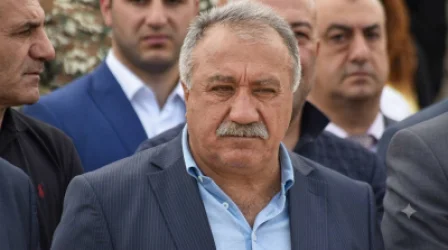
Siranush Sahakyan Reveals the Real Number of Armenian Prisoners in Azerbaijan

Human rights defender and Armenian representative on prisoners’ issues at the European Court of Human Rights, Siranush Sahakyan, addressed the issue of Armenian prisoners held in Azerbaijan during a conversation with Sputnik Armenia.
According to Sahakyan, discussions regarding prisoners’ issues have little legal significance, but when the Armenian side officializes numbers or recognizes facts that are not favorable to Armenia and often contradict reality, it can acquire certain legal weight. In an interview with Sputnik Armenia, she noted that Prime Minister Nikol Pashinyan had stated on May 25 during a question-and-answer session with the government in the National Assembly, in response to a question about discussions of prisoners during meetings in Brussels, that Azerbaijan continuously attempts to tie the return of prisoners to additional conditions.
“If the Prime Minister of Armenia, acting as a spokesperson for the President of Azerbaijan, publicizes 39 as the officialized number and does not make efforts to also publicize the officially recognized numbers from Armenia, this can be perceived as a consensus regarding the real number of prisoners. Consequently, in future legal processes, Azerbaijan may defend itself by claiming that Armenia also officially accepts there are no more than 39 prisoners, thus discussions can exclusively relate to the repatriation of those 39 individuals,” the human rights defender stated.
Sahakyan remarked that the information provided and the announced official data do not reflect reality and may later be manipulated in legal proceedings. “According to our verified data, backed by evidence, an additional 80 individuals have been captured, and they should all be returned alive. While there is uncertainty about their fate months or years later, the fact of their captivity is not subject to dispute. Therefore, the number 39 is highly diminished; the actual number of prisoners is 119. This refers to individuals captured during and after the 44-day war,” Sahakyan explained.
In her opinion, Azerbaijani authorities are aware that the issue has a legal resolution. If no solutions are provided in politics within a certain time frame, it will be addressed through legal coercion. Thus, at some point, Azerbaijan may prefer to carry out the repatriation of prisoners through political means, even with minimal demands or trade-offs, rather than doing so under forced conditions without political negotiations or judicial coercion.
Sahakyan asserted that legal processes are restraining, and there is an expectation that if the issue is not resolved through international pressure or political discussions, our citizens will still be protected, and the issue related to prisoners will eventually be resolved in the legal arena.
Նմանատիպ հոդվածներ

Ավելին Politics բաժնից
Վարչապետ Նիկոլ Փաշինյանը դատի է տվել Սամվել Կարապետյանին

ՌԴ-ից շոկային հայտարարություն Հայաստանի վերաբերյալ․ մեծացրել ենք ձկան ներմուծումը այլ երկրներից
Մոսկվայում խորհրդակցություններից հետո ՌԴ դեպանը վերադարձել է Երևան․ ինչ է սպասվում