Yerevan's Wastewater Flows into the Ararat Plain: €10.4 Million Treatment Plant Unused
Armenia significantly lags behind other countries in the region when it comes to wastewater treatment, reports Hetq.
Currently, six mechanical treatment plants partially function in the country. Approximately 92% of wastewater is discharged into the environment untreated, polluting ditches and irrigating fields. Among the most hazardous are industrial wastewater generated by industrial activities, which contain numerous toxic particles that ultimately end up in the fruits and vegetables grown in the fields.
To partially address this issue, a new mechanical wastewater treatment plant was constructed in the Yerevan Aeration facility between 2015 and 2016. After its construction, when it was expected to become operational, the process unexpectedly stalled.
On June 8, 2016, while the plant was still under construction, then-first deputy mayor of Yerevan Kamo Areyan visited the site to monitor the construction progress. He had instructed strict adherence to the established standards and timelines. The plant was completed according to the standards and deadlines, yet it has not been operational for over five years.
A budget of €10.4 million was allocated for the construction of the new plant, but after all this time of disuse, it cannot be put into operation without new investments.
The new building of the Aeration Wastewater Treatment Plant began construction in early 2015, with completion in December 2016. The funding for the new plant was part of a loan provided to Armenia by the French government. In May 2008, a financial memorandum was signed between the governments of Armenia and France, allowing France to provide a maximum of €24.9 million to improve the drinking water system and treatment in Yerevan. Of the provided amount, €500,000 was a grant, while €24.4 million was a loan at an annual interest rate of 1.75%, with a maximum repayment period of 20 years, of which the first five years were on preferential terms, covering only interest payments.
One of the key requirements of the agreement was that at least 70% of equipment and services acquired for the projects must come from France. Consequently, a €10.4 million contract was signed with the French company Veolia Water's subsidiary, SADE. Moreover, before winning the competition announced for the construction of the plant, this company had been recognized in multiple construction competitions in Armenia since 2008.
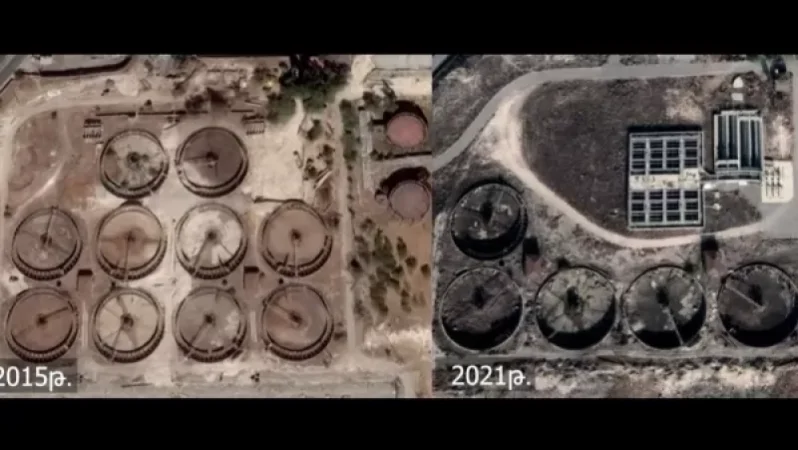
To clear the area for the new plant, sections of the old plant were dismantled by a governmental decision. Satellite images allow us to see what was in that area before construction commenced.
For more details, visit the website.
Նմանատիպ հոդվածներ


Ավելին Society բաժնից

Բանակից առողջության հիմքով ազատում են իրենց որդիներին. «Ժողովուրդ»
Ինչ իրավիճակ է փլուզումից հետո. նոր մանրամասներ
Կամրջի փլուզումից հետո մեկնարկել են վերականգնման աշխատանքները