Central Bank Discusses Potential Impacts of Russia-Ukraine War on Armenia
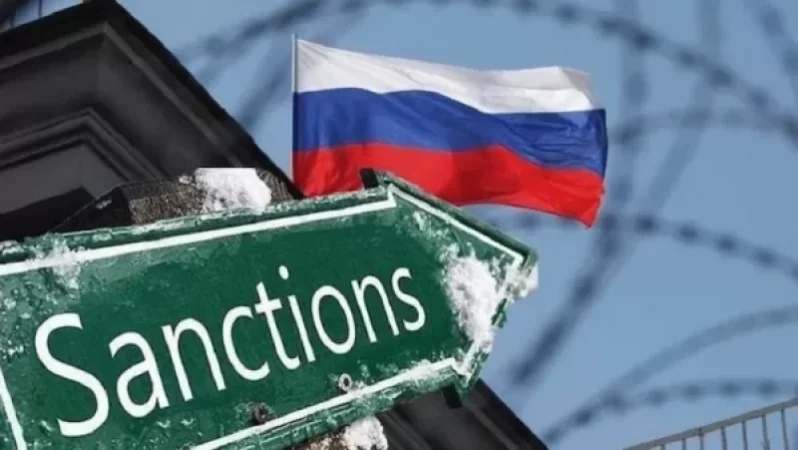
The outbreak of the Russia-Ukraine war and the sanctions imposed on the Russian Federation have created significant volatility in the region's financial markets. The Central Bank of Armenia has addressed several questions regarding the potential effects on the Armenian economy and financial system. According to Armenpress, the Central Bank notes that the impact of the exchange rate of the ruble on exports to the Russian Federation will naturally be somewhat negative in the short term. The external demand for goods and services produced in Armenia is expected to decrease somewhat in the short term.
How will the disconnect from the SWIFT system affect the Armenian banking system?
The SWIFT system is the international standard for exchanging information regarding financial transactions. The disconnection from the SWIFT system primarily affects large banks in the Russian Federation and not all of them. Armenian commercial banks can freely carry out their transactions with other commercial banks in Russia. They can also exchange information regarding financial transactions through alternative methods, which can ensure the uninterrupted execution of financial operations. At the same time, it is noted that there is no information available indicating that sanctions may affect non-commercial money transfer systems.
How will financial transactions occur between Russian and Armenian businesses?
The technical aspects of financial transactions have been described above. The economic conditions for executing transactions—such as currency, bank accounts, etc.—will depend on additional agreements made between individual operators, their foreign partners, and the respective servicing commercial banks. All Armenian commercial banks are working to identify and resolve potential issues. The Central Bank views these issues as solvable and assesses them as non-essential risks to financial stability.
How will sanctions impact the Armenian economy?
The impact of sanctions on the Armenian economy can be conditionally divided into two parts: the effects on economic transactions and the effects on financial transactions. The effects on financial transactions have been outlined above. The impact on economic transactions related to exports and money transfers is described below. At the same time, these impacts may not only be negative but may also open up certain positive opportunities regarding the inflow of human resources and capital from the region.
How will the devaluation of the ruble affect exports from Armenia?
In the short term, the impact of the ruble's exchange rate on exports to the Russian Federation will naturally be somewhat negative, as external demand for goods and services produced in Armenia is expected to decrease in the short term. The extent of the long-term impact will depend on various factors, including the currency of the transaction, payment terms, the flexibility of exporting companies, and inflation rates in Russia. One of the natural responses will be the diversification of export operations by businesses looking to reduce their risks.
How will the devaluation of the ruble affect money transfers to Armenia?
The devaluation of the ruble will not have a significant effect on money transfers expressed in rubles. However, it will impact the dollar value of these transfers. Naturally, money transfers expressed in U.S. dollars are expected to decrease somewhat. Historically, the Armenian economy has faced similar shocks multiple times. Unlike previous periods, the Armenian economy is currently much less dependent on the volume of money transfers, and Russia's weight in these money transfers is significantly smaller. We believe that a certain decrease in money transfers will negatively affect domestic demand in Armenia; however, we assess this impact as not very substantial.
How will these developments affect inflation in Armenia?
It is currently difficult to assess the effect of these developments on inflation. There are many factors at play, and their volatility is high. To evaluate the overall impact, it will be necessary to summarize the effects of all these factors, which can only be done under conditions of reduced volatility. In a high-volatility environment, the Central Bank adopts a scenario planning approach, developing possible scenarios and responses for various situations. In any event, the Central Bank remains committed to its mandate of ensuring price stability and will provide for any developments in the situation.
How will these developments affect the physical movement of goods?
Currently, the physical movement of goods is hindered through the maritime zone of the Black Sea, especially concerning trade with Ukraine. The Central Bank does not have additional information regarding the actual routes of physical movements of goods to provide a more professional assessment of the situation.
How will these developments affect the financial stability of Armenia?
All banks operating in Armenia function within the Armenian legal framework, and they are regulated and supervised by the Central Bank of Armenia. All commercial banks in Armenia are liquid, well-capitalized, and carry out their operations in a normal manner. The Central Bank has already issued clear statements regarding specific cases. It is always prepared to provide necessary liquidity to the financial system to ensure that obligations are duly fulfilled.
Նմանատիպ հոդվածներ



Ավելին Society բաժնից

Ալեն Ղևոնդյանին արգելվել է հրապարակումներ անել և հավաքների մասնակցել

Բացառիկ պատմական արժեք ներկայացնող նվիրատվություն՝ Մատենադարանին
Մարգարայի անցակետում ուշագրավ զարգացում է արձանագրվել