Ruble Drops as Demand Rises in Armenia
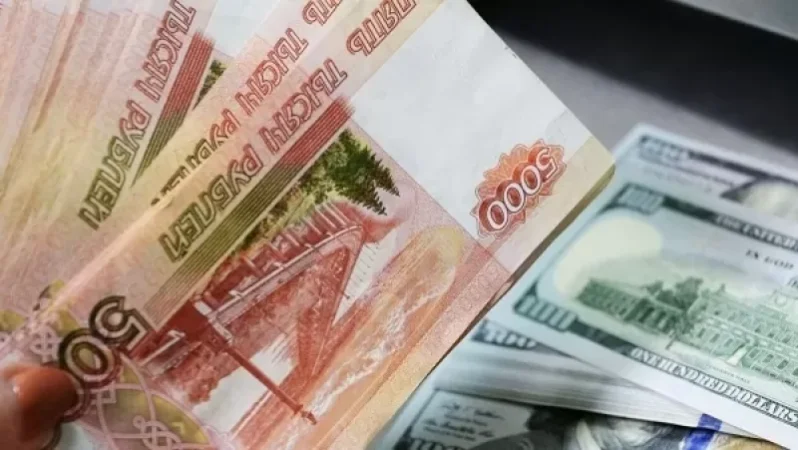
Due to the military actions in Russia and the subsequent decline in the exchange rate of the Russian ruble, Armenian citizens are rushing to buy rubles at lower prices. This information was shared with Sputnik Armenia by Samvel Jzmachyan, Vice President of the Eurasian Economic Cooperation Financial and Banking Association.
“From what I understand, since this morning, people are exchanging their drams, dollars, euros, and whatever currency they have for Russian rubles because the ruble has depreciated,” Jzmachyan stated.
This information was also confirmed in a conversation with a representative from a currency exchange point at one of Armenia's banks. “Since yesterday, the number of people buying Russian rubles has really increased. In previous days, there were almost no currency exchangers; everyone was just asking about the price and showing interest,” the source said.
In Armenia's banking system, the slight appreciation of the Russian ruble recorded on February 23-24 is perhaps the result of this sudden increase in demand. According to the Central Bank's exchange rate, the Russian ruble hit a record low on February 22 at an exchange rate of 5.99 drams per ruble and 6.03 drams on February 23.
Today, rubles are being bought in Armenian banks at a minimum of 5 drams and a maximum of 5.55 drams, while selling prices range from a minimum of 5.59 drams to a maximum of 6.20 drams.
However, regarding the increased demand for the Russian ruble in Armenia, Jzmachyan pointed out that it will not bring about significant changes in that field. “From the information I have received, there is quite a large reserve of rubles in Armenia's banking sector,” he said.
At the same time, Jzmachyan considers the fluctuations in the ruble's exchange rate to be natural against the backdrop of the military actions declared by Russia and the sanctions imposed by the West on the Russian Federation.
“War, sanctions, and the psychological state add to the situation. It is natural that the currency of a country under such conditions should lose its standing (at least to some extent), which has indeed happened. The exchange rate of the Russian ruble against the dollar has shifted from 75 dollars to now 81-82. It may increase a bit more, but I believe it will stabilize around 80,” the expert predicted, hoping that the ongoing military actions will not escalate into a large-scale war and will conclude as quickly as possible with minimal human and economic losses.
When asked how the drop in the ruble's exchange rate could affect the social situation of Armenian citizens working in Russia, living there, and their families, Jzmachyan responded: “It is not the case that we depend 95 percent on transfers sent from Russia. But, of course, it can have a certain impact. In any case, those working and living in Russia need to understand that if they are earning money in Russia today and sending it to Armenia for their families, they must also consider the difficulties existing in that country.”
Nevertheless, Jzmachyan does not foresee any significant negative impact on the Armenian economy due to the situation created in Russia, reminding that the driving force of the Armenian economy today is the mining industry, and international prices for metals continue to remain high.
Նմանատիպ հոդվածներ

Ավելին Other բաժնից

20:00 Լուրերը մեկ տողով. Աջակցություն Գագիկ Ծառուկյանին և Արեգնազ Մանուկյանին, շոգի նոր ալիք Հայաստանում

19:00 Լուրերը մեկ տողով. Ռուս-ուկրաինական հակամարտության նոր զարգացումներ, Իրանը նախազգուշացրել է Իսրայելին

18:00 Լուրերը մեկ տողով. Ճամբարային սկանդալ, ծնողների բողոքները բժշկական ապահովագրությունից, դժբախտ պատահար գետում