H1 Engages in New Policy of Discrediting the Activities of the Human Rights Defender: Arman Tatoyan
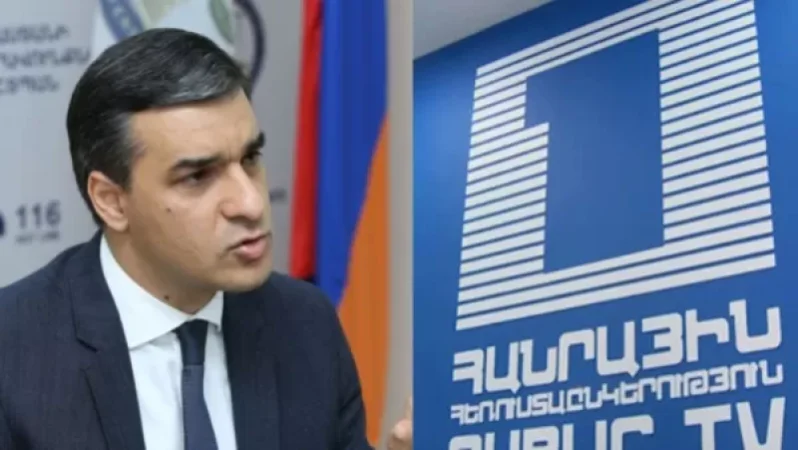
H1's "News" has been following a coordinated policy with the Public Broadcaster Council where the activities of the Human Rights Defender are not covered, indicating a new agenda aimed at discrediting the Defender's institution. This was stated by the Human Rights Defender Arman Tatoyan on Facebook.
“The prolonged non-reporting of the activities of the Human Rights Defender by H1 in violation of legislation is a result of the coordinated policy between the Public Broadcaster Council and H1. The basis for this conclusion is the clarifications addressed to the Human Rights Defender from the executive director of the Public Television and the president of the Public Broadcaster Council, the repetitive nature of their content, manipulative emphases, and coordinated analyses.
It is especially emphasized that for a considerable time, the Public Television has been implementing a targeted policy not only to ignore the activities of the Human Rights Defender but also to discredit it. This specifically refers to several programs hosted by the same presenter, during which questions are not raised but rather opinions are given that are evidently one-sided and lack any professional substantiation regarding the activities of the Human Rights Defender, showing a clear impression that the presenter is primarily affected by the objective findings of the Defender's ongoing monitoring.
First, in response to the inquiry by the Human Rights Defender, the Public Broadcaster Council attempted to manipulate the timeframe and distorted the reality by presenting previous publications as proper coverage of the Defender’s activities, whereas the ongoing monitoring and conclusions of the Human Rights Defender pertain to a specific timeframe from July 1 to December 2, 2021, and this practice continues.
Secondly, the occasion for this statement by the Human Rights Defender was also prompted by an important publication titled "Selective Approach and Conflict of Interest: Following the Human Rights Defender's Letter to the National Assembly" of fip.am. Here it is directly emphasized that one of the members of the Public Broadcaster Council, Vahe Tevosyan, who was a deputy of the ruling faction in the previous term, is the husband of the director of the Public Television’s news and analytical programs. It turns out that 'superior' and 'subordinate' officials are family members.
Moreover, V. Tevosyan also participated in the discussions and responses regarding the issues raised by the Human Rights Defender concerning the Public Television. Thus, the spouse participated in discussions concerning violations of Armenian laws, bias, and human rights abuses by an entity led by his wife. It is evident that there is a conflict of interest present, which raises the question of the bias of the "News" program.
Furthermore, this is a significant factor that casts doubt on the impartiality of the Public Broadcaster's Council as a whole. This raises serious questions about how the Council's powers are properly exercised under conditions of such an obvious conflict of interest. It should also be noted that the response addressed to the Human Rights Defender was published on the Public Broadcaster Council's website on behalf of the entire council, meaning all members participated in formulating the response addressed to the Human Rights Defender, including former MP V. Tevosyan.
It is evident from the response of the executive director of the Public Television that he does not control the working principles of the "News" programs of the television station he leads, especially given that he is a journalist by profession and has long work experience in news-related programs. Therefore, we present a few substantive questions to the public (just examples), for which answers have yet to be provided:
- How is it that the "News" program, which is supposed to report on official announcements, has blatantly aired statements from state bodies that openly undermine those of the Human Rights Defender, yet has made no mention of the Defender’s statements regarding the issues at hand?
- How is it that in the past five months, not a single invitation has been initiated by the "News" team for an interview with the Human Rights Defender or a representative of the staff on any topic?
- How is it that, for instance, from November 29 to December 2, there has been no report on the fact-finding activities in the Syunik region or on Azerbaijani violations, but on the contrary, on those days, numerous one-sided broadcasts distorting the actual situation and facts at the borders aired, undermining the protection of the rights of the Armenian population?
- How is it substantiated that the coverage of the Human Rights Defender’s statements concerning violations of the rights of residents of the Republic by Azerbaijani armed forces is particularly blocked?
Moreover, the responses from the executive director of the Public Television and the president of the Public Broadcaster Council contain formulations that raise more questions than they provide answers. For example, at one point, the executive director states: 'There is no trend to not cover the statements or activities of the Human Rights Defender if there is a public demand for such coverage and collaborative willingness on your part'; while in another section, he adds, 'There have been several instances where your activities and you have been addressed precisely when we felt such coverage had demand for the audience of the public broadcaster.'
This raises an apparent question for the objective observer: how or by what criteria does H1 assess which statements of the Human Rights Defender have 'demand' for the audience of the public broadcaster and which do not? Moreover, in a public broadcaster founded by the Armenian government, the criteria for determining the news of the day or the topics to be aired cannot be subjective opinions.
Another question arises as to how public demand or willingness for collaboration is determined. It is especially emphasized that during the nearly five years prior to this period, the coverage provided by the Public Television has been conducted fairly and from multiple angles, so cases where the Defender's staff has reached out for the request to cover a certain issue have been exceptional.
In another instance, both the executive director of the Public Television and the Public Broadcaster Council draw comparisons between news releases with other formats of Public Television programming, attempting to mask the lack of coverage of issues documented by the Human Rights Defender regarding breaches of rights in psychiatric hospitals, penal institutions, medical assistance and housing for servicemen, protection of women’s and children’s rights, health, social issues, and others by indirectly referring to these issues in other types of programs. This again sidesteps the positions of the Defender’s institution.
Նմանատիպ հոդվածներ



Ավելին Society բաժնից
Ալեն Ղևոնդյանին արգելվել է հրապարակումներ անել և հավաքների մասնակցել

Բացառիկ պատմական արժեք ներկայացնող նվիրատվություն՝ Մատենադարանին
Մարգարայի անցակետում ուշագրավ զարգացում է արձանագրվել