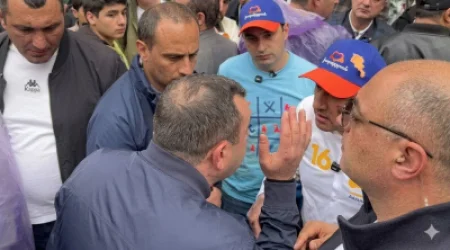
Who and which organ thought and decided that we should know everything about each other? Samvel Martirosyan on QR codes
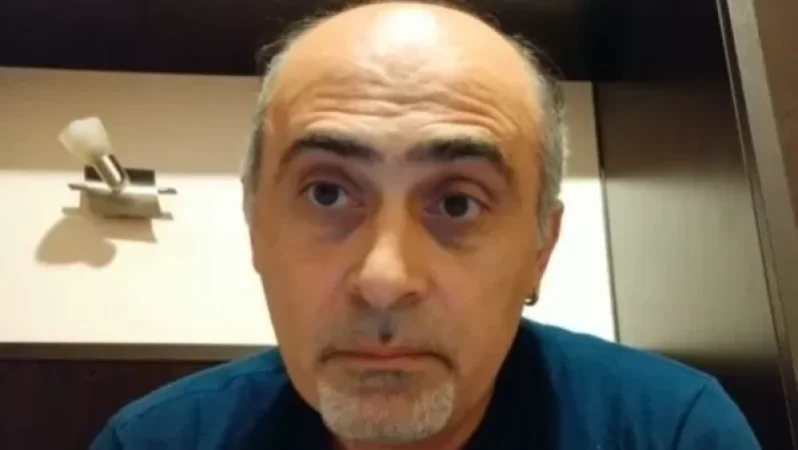
Information security expert Samvel Martirosyan wrote on his Facebook page: “Today we entered a café, and they asked for a QR code. Let me say a couple of things: a. This will have zero impact on the spread of Covid; b. The effect on the public atmosphere is solely negative. Voluntary public segregation in the name of noble ideas is, to put it mildly, a very ugly phenomenon for me. (Please do not just bring me examples from European countries; it seems that even the decision-makers there have their own issues). c. Most importantly. If my QR code is scanned in every café, they will be able to see my first name, last name, date of birth, and passport number. Well, who and which organ thought and decided that we are a small nation and must know everything about each other? Who decided that my passport number is public information? And in that case, let’s add more information to it—my home address, phone number, social card. There’s plenty of room for improvement here. Congratulations on your January 22 too.”
Samvel Martirosyan also wrote on his Telegram channel: January 22 marks the requirement to present a test/vaccination certificate to enter cafés or other public places in Armenia. All of this is stored in the Armed application in the form of a QR code. When they scan it, not only is the name and date of birth provided, but also, for unknown reasons, the passport number. If you enter that information on the Central Electoral Commission’s website, you can obtain a person’s home address, and all the names of those who live with them. If desired, one can also find a person's signature if they voted in elections. The question to the knowledgeable viewers is whether we are not giving too much access to personal data? Even in a peaceful country with peaceful neighbors, this is excessive.
Նմանատիպ հոդվածներ


Ավելին Society բաժնից
Երևանում կներկայացվի ՀՀ ռազմարդյունաբերական ներուժը
Բացահայտվել է ընտրական բնույթի 78 հանցագործություն․ 24 անձ ձերբակալվել է
Գործարկվել է Բաքու–Թբիլիսի–Կարս երկաթուղին․ ներկա է եղել ՀՀ նախարարը