Inspection Authority Cannot Conduct Checks or Impose Fines, Ara Zuhabyan
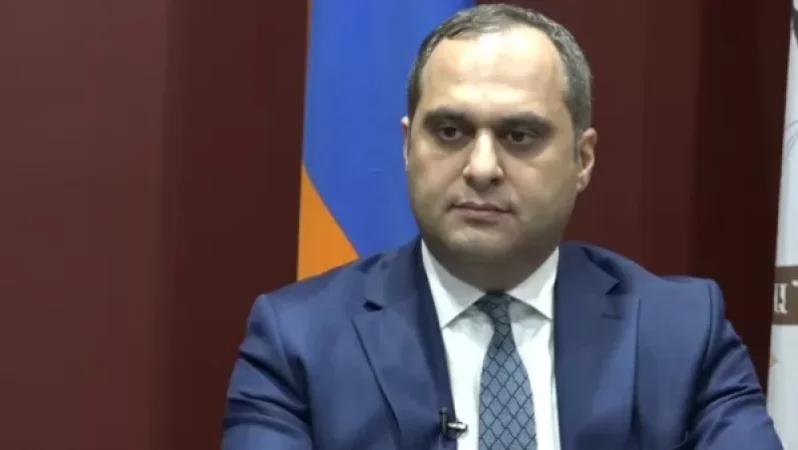
The inspection authority cannot conduct checks or impose fines for sanitary regulations established by the Minister of Health under Article 182.4 of the Code of Administrative Offenses. This was stated by Ara Zuhabyan, the president of the "Zartonk" national-Christian party and a member of the "Free Will" initiative, on his Facebook page.
LEGALITY OF INSPECTION AUTHORITY CHECKS AND CONDUCT OF ECONOMIC OPERATORS
Dear compatriots, I would like to raise two questions:
1) The legality of inspection authority checks.
2) The choice of conduct by economic operators.
1. LEGALITY OF INSPECTION AUTHORITY CHECKS
Checks by the Health and Labor Inspectorate (hereinafter referred to as the Inspection Authority) aimed at monitoring compliance with the sanitary regulations established by the Minister of Health are illegal. Article 6 of the Constitution sets the main rule: state bodies and officials are authorized only to carry out actions permitted by the Constitution or laws. The Inspection Authority can conduct checks based on a checklist and an assignment according to the law on "Organization and Conduct of Inspections in the Republic of Armenia." This law provides good mechanisms for protecting economic operators from the arbitrary actions of state bodies. The Inspection Authority can conduct inspections without prior notification only based on the law "On Protection of the Population in Emergency Situations." According to Article 17.5 of that law, the following rules are specified:
• The Government's decision to impose quarantine can establish sanitary-epidemiological safety rules for specific types of economic activities and services as well as for the activities of organizations not engaged in economic activities.
• The relevant inspection authority conducts monitoring through inspections based on the written assignment of the head of that inspection authority.
• Inspections are carried out without prior notification. The purpose of the inspection cannot differ, and the actions of the inspection authority’s representative cannot go beyond the scope of measures defined by the law and the government's decision on imposing quarantine.
In summary, I note that the inspection authority can check organizations if sanitary and epidemiological safety rules have been established by the government’s decision. However, according to the Republic of Armenia Government's decision No. 1514-N from September 11, 2020, concerning the quarantine due to the coronavirus disease, no sanitary-epidemiological safety rules have been established. Therefore, the inspection authority not only cannot conduct inspections but also cannot impose fines for sanitary regulations approved by the Minister of Health under Article 182.4 of the Code of Administrative Offenses, which relates to restrictions imposed by the quarantine decision; rather, the applicability of Article 42 (which has lower fines) may be discussed. All inspections are illegal, and the administrative fines imposed during this period are questionable. Our team of lawyers is ready to contest those fines in court.
2. CHOICE OF CONDUCT BY ECONOMIC OPERATORS
New sanitary rules established by the Minister of Health impose restrictions on customers of libraries, theaters, hotels, public catering establishments, and other venues. The purpose is clear: it mandates that everyone should be vaccinated. I would like to draw the attention of the operators in the specified list to the following issue: This rule applies to customers, not the economic operators themselves. For hotels, an example is as follows: the order concerning hotels states that "Customers of accommodation establishments may enter..." upon presenting certain documents. The same order does not stipulate an obligation for the hotel to check the required documents, nor due to their absence may they deny service or prevent entry to the hotel. The concept of "customers of accommodation establishments" is used in the order, whereas those who have not yet established a legal relationship with the hotel are not considered customers, and the order does not provide for denying entry or removing a citizen who has become a customer after entry.
The obligation to have the specified documents is placed on the customer; therefore, the inspection authority cannot fine the hotel for serving a customer who has arrived without presenting the required documents. Any legal act must comply with the requirement of certainty; that is, it must be clear to the addressee of the legal act what conduct is expected of them under the order of the legal act. The new sanitary rule tells customers to enter only if they have document X. Should the hotel apply physical force against the customer for not having it, and if yes, where is that written?
Therefore, I advise not to violate the rights of citizens. Our legal team is ready to protect the rights of economic operators and citizens. If you are fined, you can contact us without hesitation.
P.S. We have been raising this issue since September, but the public hasn’t expressed decisive disagreement. If this continues to be accepted by the authorities, then don’t doubt that they will approach the vaccination of children, and those who are vaccinated will be forced to receive a third or subsequent doses. This is not a matter of dividing vaccinated and unvaccinated individuals; this is a matter of dignity and the ability to make decisions by one’s own will.
Նմանատիպ հոդվածներ



Ավելին Society բաժնից

Ալեն Ղևոնդյանին արգելվել է հրապարակումներ անել և հավաքների մասնակցել
Բացառիկ պատմական արժեք ներկայացնող նվիրատվություն՝ Մատենադարանին
Մարգարայի անցակետում ուշագրավ զարգացում է արձանագրվել