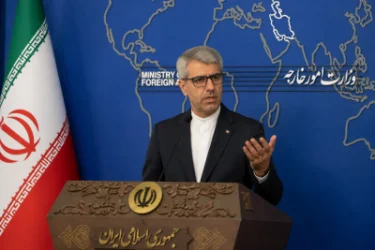
Nikol Pashinyan Issues Statement Addressing Various Issues
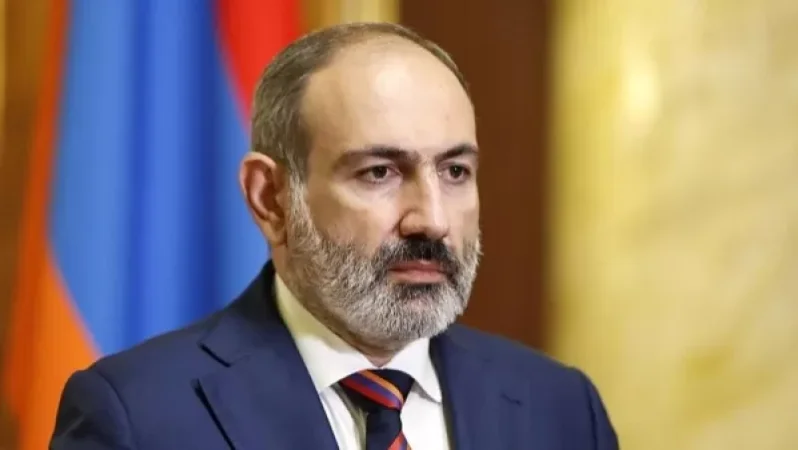
Prime Minister Nikol Pashinyan wrote on his Facebook page: “The discussions following my interview on December 24 regarding the negotiation process for the resolution of the Nagorno-Karabakh issue revealed a number of falsehoods, the recording of which is extremely important.
1. The participation of the Azerbaijani population of the Nagorno-Karabakh Autonomous Region in determining the final status of Nagorno-Karabakh has already been recorded in the Madrid Principles, which the Armenian side has accepted as the basis for negotiations since 2007. Fortunately or unfortunately, we cannot say that no political figure from Armenia or Artsakh was aware of this because the Madrid Principles have been published on the internet for a long time, even before I became prime minister. This raises the question of why former high-ranking officials did not protest against this.
2. You remember that after November 9, a topic arose about whether there had been an opportunity to stop the 44-day war in exchange for guaranteeing the right of Azerbaijanis living in Shushi or their family members to return to Shushi. The same circles said in the fall of 2020 that this would have been a chance to keep Shushi Armenian, and I did not go for it, to which I replied that 90 percent of the population of Shushi in the Nagorno-Karabakh Autonomous Region was Azerbaijani. How do you imagine a locality with 90 percent Azerbaijani residents being Armenian? Even at that time, I was accused of saying that Shushi is not Armenian. Now, why are those same people upset when the negotiations' content that existed before I became prime minister is discussed? In the fall of 2020, they supported the return of Azerbaijanis who lived in Shushi; now they are against it? Were they supportive in 2007 and are they now against it?
3. They keep repeating that only the authorities elected by the people of Artsakh can represent the people of Artsakh in the negotiation process. Who is disputing this? This is one of my most important theses since 2018. Another question arises: why did those same people not speak out when, in 1998, Robert Kocharyan removed Artsakh from the negotiation process? But do not think for a moment that they want to return Artsakh to the negotiating table; they want to remove Armenia from it. It's a rare opportunity; let me reveal a secret. Serzh Sargsyan and the Republican Party accuse me of having asked mediators to return Nagorno-Karabakh to the negotiating table after I became prime minister, which allegedly spoiled our negotiating situation. Did Serzh Sargsyan himself not ask mediators in 2016 to immediately involve Nagorno-Karabakh in the negotiation process? Did that ruin our negotiating positions? By the way, at the same time, Serzh Sargsyan tried to argue that the Azerbaijani residents living in the Nagorno-Karabakh Autonomous Region should participate in determining the future status of Artsakh in the same proportion as they lived in that region in 1988. Why did he do this? Because he understood that in terms of the logic of the negotiation process, at that hypothetical referendum that could take place 100 years from now, Azerbaijanis in Nagorno-Karabakh could be in the majority. Was he able to solve this issue? Of course not; and that is why in April 2018, he spoke out about the hopeless state of the negotiation process, stagnation, and the impending war.
4. The propaganda of certain known circles in our reality has instilled a misconception that the terms “final status of Nagorno-Karabakh” and “self-determination” necessarily mean the independence of Nagorno-Karabakh. This is certainly not the case because an autonomous region is also a status, a province is also a status, and independence is also a status. Does the negotiation content I inherited clarify these issues? Does it clarify what is meant by status? Of course not. The Armenian side has always taken pride in the provision that the questions posed at a potential referendum regarding the status of Nagorno-Karabakh should not have any limitations in formulation and could imply any status. Any status, yes, could mean independence, but any status could also mean a region within Azerbaijan. If we add to this the fact that the content of negotiations does not specify where the referendum should take place, it does not clarify who should formulate the questions posed at the referendum, it follows that according to the negotiation content I inherited, the question could also have been posed: do you agree that Nagorno-Karabakh be an autonomous region within Azerbaijan? The negotiation content also does not clarify what it means if people vote “no.” Is it independence or a status of 0?
Incidentally, there is also a very legitimate question in the scope of the discussions: what is the purpose of now speaking about the provisions concerning the Azerbaijani population of Nagorno-Karabakh in the negotiation content? The purpose is singular: to protect the right of Armenians displaced in the 44-day war to live in Nagorno-Karabakh under Armenian jurisdiction. But this is a matter of negotiation tactics and a problem for further discussions.”
Նմանատիպ հոդվածներ
Ավելին Politics բաժնից
Կարևոր ուղերձ՝ ՌԴ–ՀՀ հարաբերությունների ֆոնին
ՌԴ-ն պնդում է` ամերիկյան միջուկային զենքը պետք է դուրս բերվի Եվրոպայից
Վերահաշվարկից հետո կուսակցությունների ձայների հաշվեկշռում փոփոխություններ են արձանագրվել