David Babayan: Without Artsakh, the Next Battle Will Be Fought in Kulikovo Field
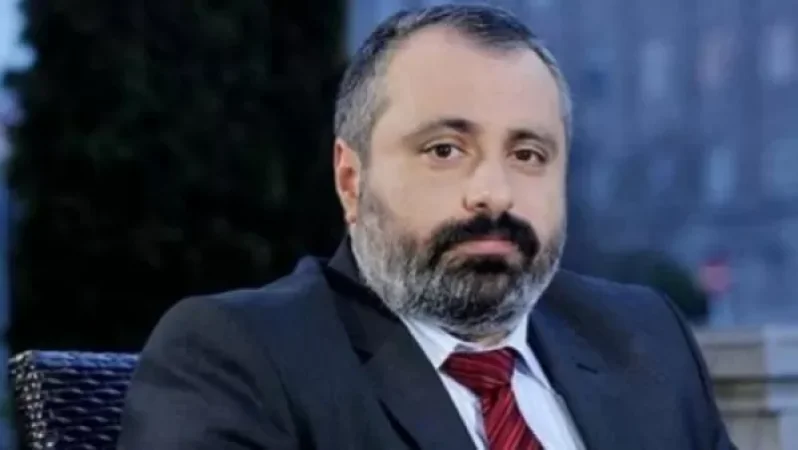
I always tell my Russian brothers that if there is no Artsakh, the next battle will be fought in Kulikovo Field. This was stated by Artsakh's Foreign Minister David Babayan in an interview with Modest Kolerov, the chief editor of the Regnum agency.
More than a year has passed since the end of the Third Nagorno-Karabakh War, the results of which are known to all. What is your vision of those events? What was it all about?
“The Third Nagorno-Karabakh War was one of the heaviest trials in the history of our people and statehood, and we are required to conduct a multifaceted, objective, and professional analysis of its causes. By the way, the analysis should be made both from a geopolitical perspective and in the state-building process,” Babayan emphasized, noting that the 2020 war differed from the previous two (1990-94 and 2016) in that this time Azerbaijan was openly fighting against Artsakh, along with Turkey and international terrorist groups.
“We practically became witnesses of the unification of aggressive states and extremist-terrorist groups—a phenomenon that poses a threat to the entire civilized world, especially Russia. It is obvious what threats expansionist programs, which Turkey does not hide, pose for Russia. After the Third Nagorno-Karabakh War, several systemic geopolitical changes have already occurred in the South Caucasus, the main of which is Turkey's official and direct presence in the region, which has not been seen since 1920,” Babayan noted.
What role does Artsakh play today in the context of the external geopolitical situation in the South Caucasus? Has its role weakened after the war?
“Yes, Artsakh is severely wounded, but that does not diminish its role in regional politics. I would even say that its geopolitical factor is gaining special importance now. Without Artsakh, a completely different explosive geopolitical situation would form in the South Caucasus, fraught with a domino effect and military-political upheavals in the North Caucasus, Crimea, the Volga Region, Central Asia, Xinjiang, and the Middle East. Over time, this 'geopolitical pandemic' will also reach Europe. The situation is similar to the early 1930s when the game with Hitler, hoping to divert his aggression to the East, became a tragedy for all. By the way, Erdogan openly states that Hitler is a perfect example for a leader. All of this especially poses a danger to Russia since the small, severely wounded Artsakh still serves as a serious obstacle to these terrifying vectors. I always tell my Russian brothers that if there is no Artsakh, the next battle will be fought in Kulikovo Field,” Babayan said.
Have the main objectives of Artsakh's foreign policy changed after the war?
“The main priorities of our country's foreign policy are the international recognition of the Republic of Artsakh, the development and strengthening of relations with various countries, and the comprehensive resolution of the Azerbaijani-Karabakh conflict. These are our traditional emphases in foreign policy that have remained unchanged.”
Regarding the future of Artsakh, despite all changes and shocks, there is one thing that remains for us: we will never be part of Azerbaijan. That is excluded. Any attempt to bring us under Azerbaijan's jurisdiction will lead to either a new bloody war or the departure of Armenians from Artsakh. There are simply no other options,” Babayan asserted.
Artsakh's foreign policy activities are continuing. Are there discussions about expanding the representation of Artsakh abroad?
“Yes, of course, Artsakh continues to conduct quite active foreign policy. One of the key directions of our foreign policy, as already emphasized, is our relations with the Russian Federation. Speaking about our representations abroad, we have always prioritized the qualitative aspect over the quantitative one. Although our country is small and our resources are limited, we have a well-prepared, highly qualified, and patriotic diplomatic staff. Our foreign representations carry out a significant volume of work and also defend our country's interests in various arenas.”
There is no doubt that Artsakh and at least the Russian peacekeepers stationed here will need secure transport communication with the outside world through Baku. Are consultations underway on this topic?
“As already stated, the final and comprehensive resolution of the Azerbaijani-Karabakh conflict is one of the key tasks of our foreign policy. Its result should be that Artsakh and Azerbaijan become neighbors. Only then will it be possible to establish full communication links between Artsakh and Azerbaijan. As long as the conflict is unresolved, as long as Azerbaijan has not abandoned its intention to eliminate Artsakh, it is obvious that it is premature to speak about a normal operational system between the two countries. Regarding the use of Azerbaijani transport communications by Russian peacekeepers, that issue is on an entirely different level and cannot in any way affect political issues such as our status, the future of Artsakh, and so on.”
Նմանատիպ հոդվածներ
Ավելին Politics բաժնից
Ընտրական գործընթացի շուրջ նոր զարգացումներ կան
Պենտագոնի հարկերը փակվել են. մանրամասներ
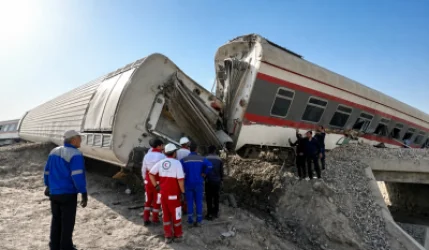
Իրանում ռելսերից դուրս է եկել մարդատար գնացքը