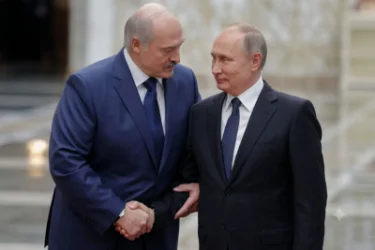
Stanislav Tarasov Discusses the '3+3' Format Meeting

The Caucasus expert and editor of Regnum agency, Stanislav Tarasov, has addressed the '3+3' format meeting. The article is presented by tert.am.
“When, in mid-November, information emerged after the meeting between the Deputy Foreign Ministers of Russia and Turkey, Andrey Rudenko and Sedat Onal, in Istanbul that the parties were preparing to launch the '3+3' (Russia, Turkey, Iran, Azerbaijan, Armenia, and Georgia) cooperation format in the South Caucasus, few believed that the negotiation process in this direction would become intensive. Everyone recalled how Ankara proposed the creation of a new regional security system after the Caucasian war in August 2008. At that time, there was much discussion about this at various levels, and certain efforts were even made. Let us also remember the so-called football diplomacy between Turkey and Armenia or the Zurich protocols of October 2009. During those years, the USA stated that Russia’s recognition of the independence of Abkhazia and South Ossetia had altered the balance of power in the region and considered Turkey as a key axis of its interests.
Interestingly, there were many intriguing topics in that proposal. The Americans were promoting Ankara’s ambitions in the Caucasus, promising it a rapid integration process into the EU. This was the first. Second, Turkish media at the time reported that Turkey had proposed a resolution idea for the Abkhaz conflict within the '3+3' format, to create a common state where Abkhazia and Georgia would have equal status, while Abkhazia could establish relations with other states that 'under certain circumstances have the right to conclude agreements.' According to the draft prepared as claimed by Turkish media, 'the subject could have its own armed forces and police forces; in essence, a confederation model was proposed.' Most likely, something similar was being prepared for Nagorno-Karabakh. This indicated that the implementation of the Turkish project questions the territorial integrity of Georgia and Azerbaijan.
When Georgian President Mikheil Saakashvili expressed his disagreement with Ankara, the latter proposed a second option in the '3+2' format, although some time later Turkish leader Recep Tayyip Erdoğan announced that 'the UN, not the EU and the USA, should participate in the negotiations.' As former US Assistant Secretary of State Matthew Bryza recalls, 'the American side was not even informed about this.' However, in the end, for various reasons, the Zurich process was disrupted, complicating the search for an exit from the current situation.
In our case, historical parallels seem appropriate, as Ankara returned to its Caucasian project after the second Karabakh war, as a result of which Azerbaijan restored control over previously lost territories, and Russian peacekeepers were deployed in Nagorno-Karabakh. Moreover, according to the British newspaper The Guardian, this war 'once again showed that the USA and its European partners no longer determine the politics of the Caucasus.'
Another important factor is that Russia and Iran support Turkey’s project, as do Azerbaijan and Armenia. Tbilisi opposed this format due to Moscow’s involvement and the absence of the USA and EU in it. This eliminates the impression that 'everything is being done hastily' and that Turkey’s initiative is 'as always hasty and incomplete.' If that were the case, Russia, while officially participating in this process, could 'calmly sabotage the process.' This is not happening. On the contrary, Moscow is actually revitalizing the geopolitical significance of the historical Russia-Turkey-Iran triangle in the South Caucasus, considering it as the main guarantor of regional security.
Now let’s discuss a few important diplomatic nuances. First, the proposed format, at least at this stage, does not envisage active cooperation with the USA, EU, and UN. Second, Erdoğan’s proposed platform is being realized. And with Russia’s support, the format receives the status of an advisory body to solve regional problems in the context of a sort of continuation of the agreements reached on November 9, 2020, at the end of the second Karabakh war. The first meeting (albeit without Georgia’s participation) has already taken place in Moscow at the level of deputy foreign ministers of Russia, Turkey, Iran, Azerbaijan, and Armenia. According to the Russian Foreign Ministry, 'the parties discussed the prospects for developing regional multilateral cooperation,' focusing on practical issues of interest to all participants in the 'platform’s work.
At the same time, the advisory format of diplomatic communications chosen by the parties expands the maneuvering opportunities for all its participants. Thus, Azerbaijan and Armenia, Armenia and Turkey came closer in another platform, not to mention the expansion of cooperation horizons between Russia, Turkey, and Iran.
If this mechanism is successfully launched, the status of representation in such forums will rise, and the scale of decisions made will expand alongside the narrowing of the issue area. And one thing: the results of consultations held in Moscow under the '3+2' format have been widely covered by leading world media, although the principle of relative openness does not exclude the presence of closed advisory platforms where mainly military-political issues are resolved.
Tbilisi is still out of this process. It is still waiting, looking towards the West. But that is only as long as the '3+2' format does not start making decisions that touch upon Georgia’s national interests in one way or another, and when it realizes that it is being left out of the new regional geopolitical schemes. For this reason, many statements are made in Tbilisi, but many more are left unspoken until the end. They reacted very peculiarly to the '3+3' format. First, the head of Georgia’s Foreign Ministry said that Tbilisi’s participation was necessary, then decided to pause. At the beginning of this month, during the OSCE member states' foreign ministers' meeting, Russian Foreign Minister Sergey Lavrov hinted that Georgia needs to study new security formats more carefully. The truth is that dynamic processes are taking place in the South Caucasus, and sooner or later, all countries in the region must make important decisions—not just symbolic ones. Everything is still ahead for Tbilisi,” concluded the author.
Նմանատիպ հոդվածներ
Ավելին Politics բաժնից
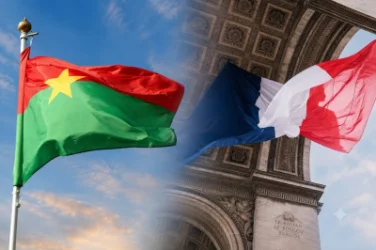
Բուրկինա Ֆասոն խզեց դիվանագիտական հարաբերությունները Ֆրանսիայի հետ
Իրանը հուսահատորեն ցանկանում է համաձայնագիր. Թրամփ
Իրանը փորձում է մեզ ուժով դուրս մղել. Նեթանյահուի կոշտ հայտարարությունը