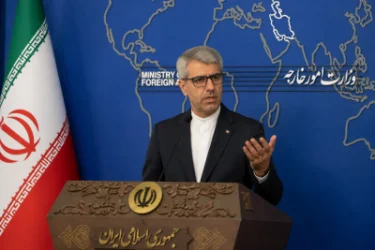
"Important Processes Are Taking Place Throughout Our Neighborhood," Says Turkologist
Turkologist Varuzhan Geghamyan writes: "In the last two weeks, my personal and academic Facebook pages have been blocked several times, and although I continue to face certain restrictions that reduce views, I can now make posts. The reason for these blocks is mass complaints. I believe you can guess who is contesting my and our team's activities. In any case, as long as there is an opportunity to write on this platform, I will use it.
Although there hasn't been a public occasion to speak recently, important processes are taking place throughout our neighborhood in the last few weeks that deserve attention: negotiations around Iran's nuclear program, a new phase in the strained relations between the UAE and Turkey, which has economic "reconciliation" overtones, internal political developments in Turkey and Azerbaijan that will have a continuous impact on their foreign policy actions, Syria's "return" to the Arab League, an arms race among almost all states in the region, and more. The list can go on.
The catastrophic events of the past year have quite clearly shown that these and other events and transformations occurring directly in our neighborhood primarily concern us. Therefore, they should be the main topics shaping public discourse. It is naïve and self-deceptive to expect that the de facto authorities of the Republic of Armenia can assess and prepare to respond to these events with the necessary seriousness and from Armenian positions. Thus, what should be done in this case: 1) to continuously monitor the regional situation with the strengths of national civil society, 2) to identify real issues and publicize them by exerting as much pressure as possible on the current capitulatory regime, 3) to try to cooperate with external partners united around Middle Eastern issues through public diplomacy.
If those who have seized the state do not serve the interests of the Armenian people, then it is necessary to form an alternative in all sectors. This is one of the most effective paths available, although it is neither easy nor quick. It is also necessary to note that what has been done by civil society is not sufficient if political struggle aimed at the removal of the capitulatory authorities does not take place in parallel.
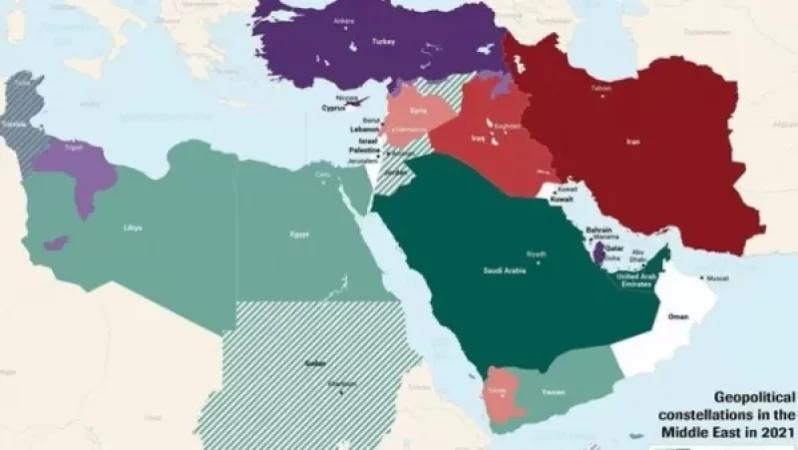
P.S. A map roughly illustrates the new balance of power in the region according to countries. The countries marked in shades of red and green are those that are indirectly united against the expansionism of Turkey and Azerbaijan."
Նմանատիպ հոդվածներ
Members of the Border Demarcation Commission Arrive in Armenia on Russian Defense Ministry Plane

What Caused the Parliamentary Brawl? Which MPs Are at the Center of the Incident?

Why Tuy Pressured the Former MP's Sons: The Causes of the Kanaker Killings Revealed
Armenia to Appoint Special Representative for Dialogue with Turkey, Says Foreign Ministry Spokesman
Ավելին Politics բաժնից
Կարևոր ուղերձ՝ ՌԴ–ՀՀ հարաբերությունների ֆոնին
ՌԴ-ն պնդում է` ամերիկյան միջուկային զենքը պետք է դուրս բերվի Եվրոպայից

Վերահաշվարկից հետո կուսակցությունների ձայների հաշվեկշռում փոփոխություններ են արձանագրվել