Society
Why the US Secretary of State Met with the Foreign Ministers of Armenia and Azerbaijan
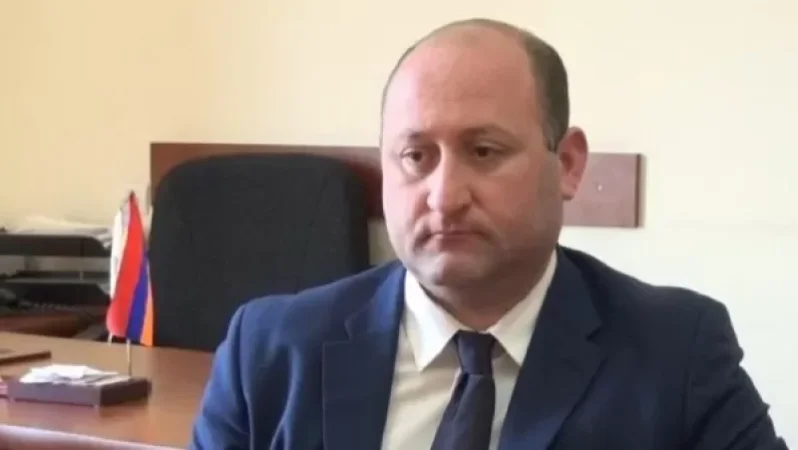
International relations expert Suren Sargsyan stated on his Facebook page that the meeting was characterized as 'regional' in nature. This means that the main topic of discussion was the Nagorno-Karabakh conflict and the realities that emerged after the 44-day war, rather than bilateral agendas. There are not many bilateral agendas (a bit more for Azerbaijan, and fewer for us). It is a fact that if there hadn't been a 44-day war, neither Pompeo nor Mnatsakanyan would have met, nor would Mirzoyan and Blinken have met, since there would have been nothing particularly to discuss.
What kind of policy is the US pursuing in the post-war South Caucasus?
- Firstly, the US cannot remain indifferent to the South Caucasus as a global superpower.
- Moreover, this is not only about the opening of communications but also about the activities of the Minsk Group. It is also why the US states that the Nagorno-Karabakh conflict has not yet been resolved and that the parties do not have a final solution. This means there should be negotiations with US involvement.
- For the past year, the US has been somewhat sidelined from the negotiation process, ceding its position to Russia.
- The formation of the 3+3 format would also mean excluding the US from regional processes, at least from the perspective of direct influence. I believe that Georgia is refusing to participate in this format, considering the US factor.
- The US seeks to continue to be an influential factor in a region neighboring Iran and under the strong influence of Russia. It is necessary for the trilateral agreements to also be legitimized by the West. The US (already yesterday) and the EU (in a few days in Brussels) will initiate that process. This is also necessary for Russia, as it would mean sharing responsibility, and the legitimacy of declarations from the West would never again be questioned.
- Iran-US negotiations have yet to yield significant results, and the US must pursue a policy of strengthening its position in the region to somehow deter or pressure Iran. From a broader global perspective, US policy has a nature of 'strategic waiting' and 'favorable positioning' concerning the South Caucasus and its neighboring countries.
Նմանատիպ հոդվածներ

Ավելին Society բաժնից
«Նուբարաշեն» ՔԿՀ-ում երեք կալանավոր հացադուլի մեջ են մինչև 38 օր․ ՍիվիլՆեթ
Նոր ռազմավարությամբ կվերափոխվեն դատաիրավական և հակակոռուպցիոն ոլորտները
Բաքվից Հայաստան է ուղարկվել 490 տոննա ռուսական ցորեն