Why Erdoğan Is Not Concerned About the Depreciation of the Lira: BBC
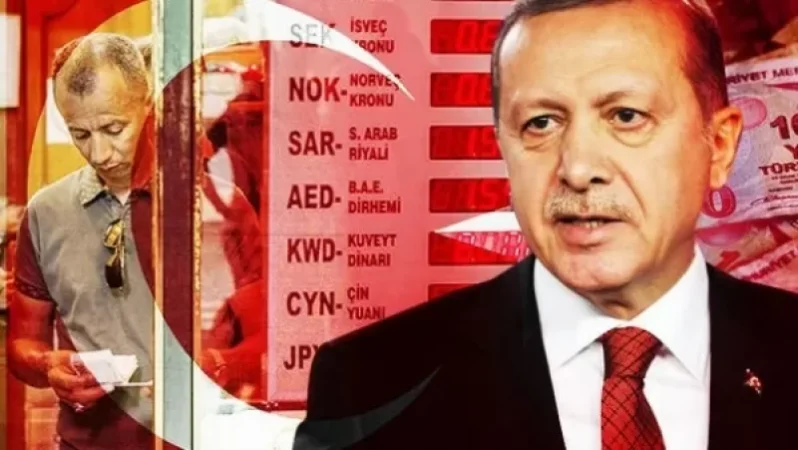
This year, Turkey's national currency has dropped by 45 percent against the dollar, yet President Recep Tayyip Erdoğan appears largely unconcerned, reports the BBC. This week, the lira reached a record low, but Turkey's long-serving leader continues his "economic war for independence" with low interest rates.
So, why is Erdoğan promoting a model that critics warn carries risks of inflation, unemployment, and rising poverty, and what does this mean for the Turkish people?
Unorthodox Policy
The collapse of the Turkish lira is attributed to an unusual economic policy of maintaining low interest rates to boost Turkey's economic growth and export potential with a competitive currency. Many economists believe that if inflation rises, it should be controlled by raising interest rates. However, Erdoğan sees interest rates as "evil that makes the rich richer and the poor poorer."
"Everything is so expensive," said Sevim Yıldırım to the BBC at a local fruit market. "With these prices, it’s impossible to even prepare a second dish for the family."
Consumer inflation in Turkey is around 20 percent, but the Central Bank of the Republic of Turkey has just lowered interest rates from 16 percent to 15 percent, marking the third cut this year. While inflation rises globally and central banks discuss interest rate hikes, not in Turkey, as Erdoğan believes inflation will eventually decrease.
In the past two years, he has dismissed three central bank governors and only changed his finance minister this week. Meanwhile, the lira continues to decline.
Rising Prices
Turkey's economy is heavily reliant on imports for producing goods, from food items to textiles, so the rise in the dollar’s exchange rate against the lira directly impacts consumer goods prices. For instance, consider tomatoes, a crucial ingredient in Turkish cuisine. Producers need to buy imported fertilizers and gas to grow tomatoes.
According to data from the Antalya Southern Coast Chamber of Commerce, tomato prices in August increased by 75 percent compared to last year. "How can we make money with this?" asks Sadiye Kaleji, who grows grapes in a small town three hours from Istanbul. "We sell cheap, but costs are high," she complains, referencing the rising prices of diesel, fertilizers, and sulfur.
Another farmer, Feride Tufan, laments that the only way to survive is to sell her assets: "We can pay off our debts by selling our land and vineyards. But when we sell everything, we will have nothing left." The currency has become so unstable that prices change daily. Producers have seen inflation rise by 50 percent. "I’ve cut all my expenses," says Hakan Ayran while trading at the market. "We eat less to pay the bills, and no one is buying anything."
Supermarket employees have been posting about price hikes on social media, showcasing product labels before and after the increases—covering everything from margarine and olive oil to tea, coffee, detergents, and toilet paper. A bakery in Turkey's third-largest city, Izmir, has put up a sign explaining the high prices, pointing to the rising costs of flour, butter, and sesame, captioned "God is with us."
Foreign currency debt is a problem for the private sector, and most companies believe it is more beneficial to hold food in stock than to sell due to the lira's instability and inflation. This situation further exacerbates poverty and increases the divide in income and well-being.
Angry Young Turks
Queues are forming at gas stations and local government sites offering cheap bread. Opposition parties have called for snap elections and protests. When on November 23, the lira fell by 18 percent in one day, protests and dozens of arrests occurred. However, the most striking expressions of public discontent have come from young Turks on Twitter, Twitch, TikTok, and YouTube.
"I am absolutely dissatisfied with this government; I can’t see my future in this country," said one young person to a YouTube reporter. One in five young people in Turkey is unemployed, and the situation is worse for women. According to OECD data, Turkey ranks fourth in the world for the number of young people who are not in employment, education, or training. Young people in Turkey compare their standard of living to that of other countries and are dissatisfied with what they see. "In the United States or Europe, it’s easy for a young person to buy an iPhone with their salary," says an 18-year-old. "Even if I worked for months, I couldn’t afford it. I don’t deserve that." This generation is ready to play a significant role in Turkey's politics, led by Erdoğan's Justice and Development Party since 2002.
Nearly nine million Turks born in the late 1990s will have the right to vote in the next elections in 2023, which could pose challenges for the AKP. In one viral video, a mother praises President Erdoğan in an interview with a reporter, while her eight-year-old son interjects, pointing out that he is not managing the recent crises well.
"It’s Impossible to Predict"
The ruling party's success is partly due to the influx of foreign financing following the 2008 financial crisis. However, much of Turkey's economic growth has come from public spending and loans that have benefited the construction sector. As a result, production remains reliant on imports, and currency fluctuations dominate the economy. Few have hope that Erdoğan's new economic model will help the Turkish lira.
Against this backdrop of uncertainty, economist Arda Tunkan states that all bets on what might happen next are off. "This is the first time we are using a model that is completely outside the frameworks of economic theory. Even during crises, we could guess what would happen. Now it is not possible," he said.
Նմանատիպ հոդվածներ

URGENT: Artsakh Ombudsman Confirms Captured Resident of Artsakh Has Been Killed

Snow, Blizzard, Precipitation: What is the Situation in the Republic?

Photos: Twitter User Living in Azerbaijan Publishes Church Bell of Armenian Origin Inscribed with Shushi

Food Poisoning Cases in Yerevan: Is There a Connection Between the Incidents?
Ավելին Society բաժնից
«Նուբարաշեն» ՔԿՀ-ում երեք կալանավոր հացադուլի մեջ են մինչև 38 օր․ ՍիվիլՆեթ

Նոր ռազմավարությամբ կվերափոխվեն դատաիրավական և հակակոռուպցիոն ոլորտները
Բաքվից Հայաստան է ուղարկվել 490 տոննա ռուսական ցորեն