Ministry of Education and Science Discusses School Admission Principles and Other Changes
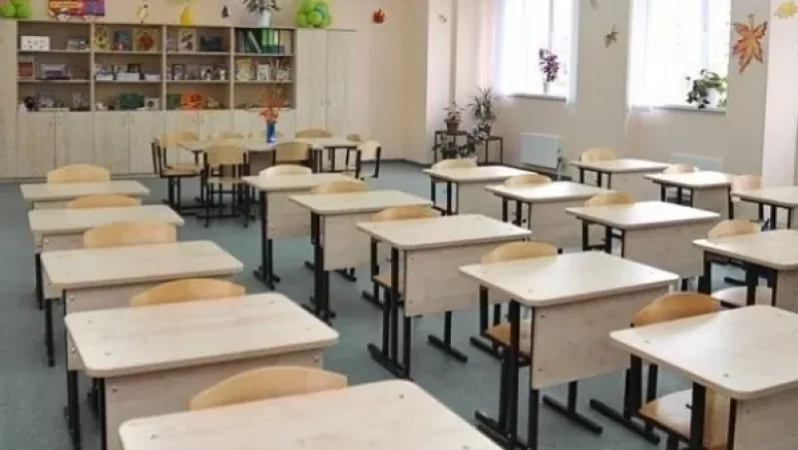
The Government of Armenia gave a positive conclusion to the draft law on amendments and additions to the "Law on General Education" during its session on November 25, which will be presented to the National Assembly for discussion.
The Ministry of Education and Science briefly outlines the important points of the proposed extensive changes:
Changes in School Admission Principles
Currently, the legislation gives priority to children who have siblings in the same school and to the children of the school's employees when enrolling in school. The proposed amendment to the law includes that children living near the school will also have priority during admission; children of employees who have been relocated for at least six months due to internal transfers within state structures in other locations will be considered, including military families.
Changes Related to Teacher Qualification Levels
The draft law proposes to change the definition of qualification levels as a degree that corresponds to a teacher’s professional standards. Consequently, there will be changes to the descriptors required for qualification levels. The new descriptors should align with the corresponding professional standards or benchmarks, which is a new concept that did not exist previously. The new proposal includes establishing a system of professional standards for teachers that allows a teacher to reach the level of novice to experienced or mentor teacher in a shorter period, receiving appropriate remuneration for each level. Thus, the state is creating a mechanism for the career advancement of teachers—removing the waiting list principle for applying for qualification levels. If any teacher meets the requirements for the third or fourth qualification levels at once, they will be able to apply directly for that level. Unlike the current legislation, there will be no time limitations on when one can apply for the next level after obtaining a previous level qualification. Moreover, the provision that loses the qualification entitlement upon transferring to another educational institution will also be removed. The teacher’s qualification level will be retained when moving from school to school, as it describes the teacher’s professional qualities and not the institution. It has also been clarified that teachers from non-governmental institutions can also participate in the state qualification granting process, funded by the founder’s financial resources.
Changes in Inclusion Regulations
The proposed draft law significantly changes the policy regarding special education conditions and inclusion education regulations. The definition for “individuals needing special education conditions” is as follows: “An individual needing special education conditions is a person who has difficulties related to teaching due to issues such as speech and language, communication, hearing, vision, intelligence (cognitive), emotional, behavior, mobility, and others, for whom special education conditions are necessary to grasp the basic programs of general education, including reasonable accommodations.” This transition moves from the previous approach of focusing on functional impairments to organizing the child’s educational environment based on various factors. The introduction of language, communication, emotional, and behavioral components is particularly important, as it will allow for additional support to be provided to the child in scenarios involving language difficulties or psychological support needs. The term “anti-social behavior” has been removed from the definition of “special school,” meaning there will be no special school designed for children exhibiting anti-social behavior.
Given that the assessment of a child's need for special educational conditions can only be conducted based on a parent's request, and that there are parents who avoid such assessments, a new regulation has been added. According to this regulation, needs assessment can also be conducted based on the decision of guardianship and trusteeship organs, allowing for the prevention of exacerbating existing issues for children and ensuring intervention at an earlier stage. The approach of increasing the financing amount has been replaced with a more substantive and targeted approach, specifically stating that targeted funding will be provided from the state budget to ensure reasonable accommodations in the education organization process for children needing special education conditions, including those with disabilities. The functions of the Republican Pedagogical-Psychological Center and community educational centers have also been clarified. There has been a requirement established for the implementation of program software and information repository.
Changes in Textbooks
The draft law on “General Education” also provides definitions for several important concepts. Specifically, it defines the term “textbook,” which was not previously established by legislation. According to the draft, a textbook is the printed or electronic book that corresponds to the requirements of the state standards of general education and includes the main content of a specific subject or part thereof. Thus, a legal basis is created for electronic textbooks, which will be introduced concurrently with printed textbooks through a new provision for textbook supply.
Նմանատիպ հոդվածներ




Ավելին Society բաժնից

Ռուսաստանի սանկցիաները շարունակվում են, այլընտրանք չկա․ «Հրապարակ»

Օրենքով գող կկալանավորվի. հայտարարվել է հետախուզում

Երևանից դեպի Սևան ուղղությամբ մի հատվածը ժամանակավորապես կփակվի