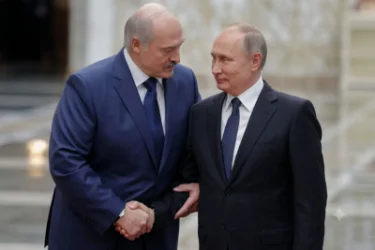
David Babayan on the Trilateral Meeting in Sochi

The most important aspect is that the trilateral statement emphasizes and highlights the preservation of peace and stability. David Babayan, the Minister of Foreign Affairs of Artsakh, mentioned this in an interview with 24News while discussing the trilateral meeting held in Sochi on Friday.
The meeting, mediated by the Russian Federation, included Russian President Vladimir Putin, Armenian Prime Minister Nikol Pashinyan, and Azerbaijani President Ilham Aliyev. According to Babayan, this meeting cannot but pertain to Artsakh itself. "The Russian Federation, as one of the key factors for maintaining stability and peace in the region, when it organizes such meetings and emphasizes ideas about peace and stability, is inherently important and cannot fail to relate to Artsakh itself. However, it is clear that the main focus of this meeting has been placed on bilateral relations, peace, and the preservation of stability," he added.
When asked what new insight this trilateral meeting would provide, Babayan stated that time will tell. "Azerbaijan is a country that almost always fails to fulfill its obligations. You see, the same November 9 statement and how they violate its terms, the kind of policy they pursue, and continue to pursue. Given that the Russian President has emphasized the importance of the OSCE Minsk Group's co-presidency several times, it can be said that this reflects the overall opinion of the OSCE Minsk Group co-presidency. The important thing is that the emphasis is placed on peace and stability, meaning that no forceful solutions are accepted. However, it is still premature to expect Azerbaijan to sharply change its behavior, its policy, I believe. It seems that they will continue their destructive policy," the Artsakh Foreign Minister emphasized.
On November 15, the European Council issued a press release stating that Council President Charles Michel had invited Ilham Aliyev and Nikol Pashinyan to Brussels within the framework of the Eastern Partnership summit.
Regarding the impact of this meeting on the Armenian-Azerbaijani conflict and the Nagorno-Karabakh issue, Babayan responded, "We expect that Europe’s collective opinion will be voiced there, and they will also pursue the preservation of peace and stability. Let's wait and see, but it seems to me that the main emphasis will be placed on these ideas." According to Babayan, the primary signals from both the Russian and European sides concern the preservation of peace and stability. "It is also unrealistic to say now that the conflict will be resolved swiftly in a comprehensive manner. The important thing is that we maintain our positions, never cross our red lines, and our red line is that Artsakh can never be part of Azerbaijan. Therefore, we must clearly define our policy, not deviate from our path, and the rest will be shown by time," concluded the head of the Artsakh Foreign Ministry.
It is recalled that a trilateral statement was adopted in Sochi concerning the reaffirmation of commitment to the continuous implementation of all provisions of the November 9, 2020, and January 11, 2021 statements for the sake of the stability, security, and economic development of the South Caucasus, the activation of joint efforts aimed at the prompt resolution of remaining issues arising from the declarations, and the establishment of a commission for border demarcation and delimitation between Armenia and Azerbaijan.
As for the meeting of the EaP on December 15, according to the European Council's press release, "The leaders agreed to meet in Brussels to discuss the regional situation and ways to overcome tensions for a prosperous and stable South Caucasus." In phone conversations with European Council President Charles Michel, "The leaders of Armenia and Azerbaijan also agreed to create a direct communication line at the level of respective defense ministers, which will serve as a tool for incident prevention."
Նմանատիպ հոդվածներ
Lavrov and Cavusoglu Meet to Discuss Further Stabilization of the Situation in the Caucasus
We too can paint the world map in different colors: Lavrov on the 'Turkic World' map
In Case of Unblocking, Who Will Control the Railways and Roads? Mher Grigoryan Provides Details
Baku Issues Statement Addressed to Yerevan
Ավելին Politics բաժնից
Բուրկինա Ֆասոն խզեց դիվանագիտական հարաբերությունները Ֆրանսիայի հետ
Իրանը հուսահատորեն ցանկանում է համաձայնագիր. Թրամփ
Իրանը փորձում է մեզ ուժով դուրս մղել. Նեթանյահուի կոշտ հայտարարությունը