Azerbaijani Armed Forces Stationed Just Hundreds of Meters from School, Human Rights Defender Reports Details
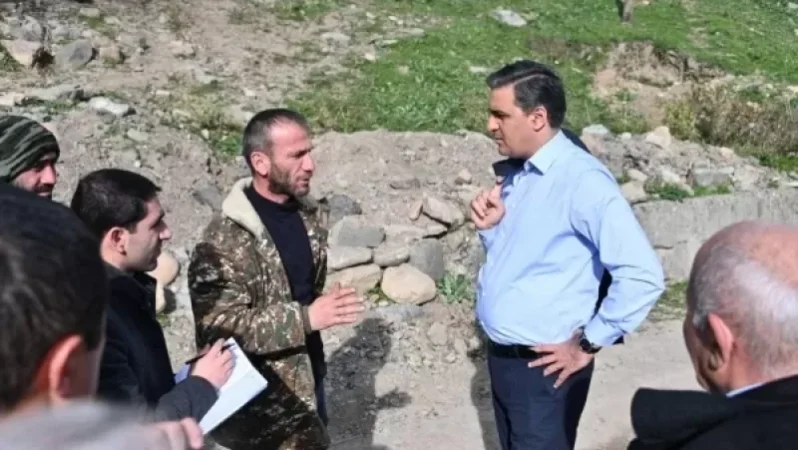
The Human Rights Defender of Armenia conducted fact-finding work today in the villages of Srashen, Nerkhin Hand, and Tsav in the Syunik region, engaging in discussions with local residents.
“Problems and rights violations that arose for people due to the establishment of so-called Azerbaijani border and customs controls without legal justification on the Kapan-Jakaten road, as well as the blocking of the road by Azerbaijani armed personnel, were raised. In particular, the bakery operating in the village of Tsav, which supplied products both to neighboring villages and the city of Kapan, has been forced to reduce its production volume by 50%. As a result, there have also been issues related to workers' wages. In another case, problems have arisen related to fish farming. In other words, both economic rights to conduct business and labor rights have been violated, and people are suffering serious economic damages due to Azerbaijan's illegal actions,” said the Human Rights Defender.
According to him, there are also instances of violations of the right to emergency medical assistance. The issue is further exacerbated by the presence of elderly and disabled individuals in the communities, whose health maintenance, especially, requires prompt response, rapid medication supply, and, if necessary, swift hospitalization. “Although there is a medical clinic in Shikahogh, which has a nurse, and each village has a medic or nurse as well, serious medical issues cannot be resolved. For hospitalization, people must travel 3 to 3.5 hours to reach Kapan via Meghri. For instance, in one of the villages, a resident needs to undergo regular heart examinations in Yerevan and Kapan for blood coagulation levels, while in another case, an eye examination is required, but they are unable to go for further tests due to travel issues. In Nerkhin Hand, a solitary pensioner cannot present themselves to the Unified Social Service to start the disability determination process,” Tatoyan clarified.
He noted that issues related to the right to education have arisen for children traveling from Srashen to school in Nerkhin Hand, while the rights of children in Nerkhin Hand have already been grossly violated, as Azerbaijani armed forces are stationed just a few hundred meters from the school.
“The absolute impassability of alternative roads for non-off-road vehicles has become a reason for family separations. For example, in Shikahogh and Jakaten, young families have been forced to rent apartments in Kapan due to difficulties in reaching work, leaving behind their parents or other elderly family members in the village. In Srashen and Nerkhin Hand, people have been deprived of the opportunity to see their children and grandchildren, to be with their families. Residents have also reported that since the Azerbaijani armed personnel appeared on the Kapan-Jakaten road, problems with internet connection quality and telephone communication have arisen, which the Defender’s staff also had the opportunity to confirm during the visit,” the statement from the Human Rights Defender noted.
The Armenian Human Rights Defender asserts that, in fact, under the pretext of unblocking the roads, Azerbaijani authorities are conducting a targeted policy that isolates Armenian civil communities and creates humanitarian issues. The so-called border and customs control declared by Azerbaijan on the Goris-Kapan road since November 11, 2021, and the Kapan-Jakaten road since November 15 has no connection with its stated objectives.
“Local authorities, as well as the NSS Border Guard units, are taking measures to help people on the ground. Residents have also noted that an alternative difficult road has been established for trips from Jakaten to Kapan, with one 'UAZ' vehicle operating three times daily, as well as one trip to Meghri daily. However, the issue is fundamentally different. No matter how much local authorities assist, this does not objectively resolve the massive violations of rights that have arisen due to the illegal actions of Azerbaijani authorities and their armed personnel (such as safety, restoring people's normal life, etc.). Therefore, the solution is clear: there should be no Azerbaijani armed or other personnel near our communities or on the roads between communities; a demilitarized security zone must be established. This is the path to restoring the rights of the residents of Armenia. No one has the right to ignore human rights and humanitarian issues in the process of determining borders. The Human Rights Defender will present special reports on this issue to relevant international organizations, as well as to Armenian authorities and NGOs,” the Human Rights Defender stated.
Նմանատիպ հոդվածներ


Ավելին Incidents բաժնից
Մահացած զինծառայողի դեպքով 2 զինծառայող է ձերբակալվել. ArmLur.am
Թուրքիայում խոշոր անտառային հրդեհ է բռնկվել․ տարհանվել են բնակիչներ
Վենեսուելայում տեղի ունեցած ավերիչ ցնցումների պատճառով զոհված քաղաքացիների քանակը հասել է 5,346-ի