Aliyev Qualifies Ongoing Killings in Artsakh as 'Random Incidents' at Trilateral Meeting
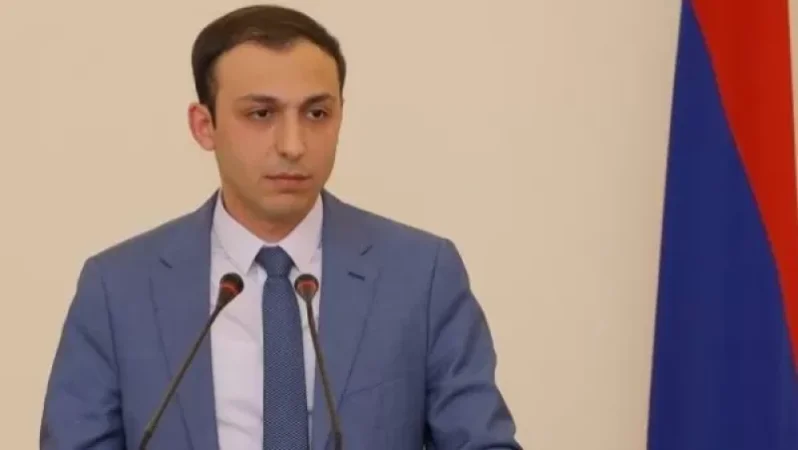
During a trilateral meeting on November 26 with Armenian Prime Minister Nikol Pashinyan and Russian President Vladimir Putin, Azerbaijani President Ilham Aliyev described the ongoing targeted killings of the peaceful population and military personnel in Artsakh by the Azerbaijani armed forces since the November 9, 2020 ceasefire declaration as "special, random incidents." This announcement was made by the Human Rights Defender of Artsakh, Gegham Stepanyan.
The statement also mentions that President Aliyev's comments are nothing more than an attempt to disguise the systematic and large-scale violations of fundamental rights of Armenians in Azerbaijan under the pretext of random incidents, a policy that has been ongoing for decades.
Since the signing of the trilateral declaration, assaults by the Azerbaijani armed forces targeting Armenians—including the killing of a tractor driver conducting agricultural work near Martakert on October 9, 2021, and the murder of a civilian engaged in repair work near Shushi on November 8, 2021—have been executed deliberately as a continuation of Azerbaijan's persecution policy against Armenians.
The brutality of Azerbaijani persecution is particularly pronounced when Artsakh or Armenian citizens fall within the control of Azerbaijani armed forces. During the aggression from September to November 2020, all remaining peaceful residents in the areas of the Artsakh Republic occupied by Azerbaijan were brutally killed by representatives of Azerbaijani armed forces. In cases where forensic examinations were conducted, it was found that those killed had been subjected to torture before death. In some instances, the killings of peaceful residents were filmed and distributed on Azerbaijani social networks to inflict maximum psychological suffering on the victims' families and to terrorize the population of Artsakh and the Armenian people as a whole.
Azerbaijani authorities have also subjected Armenian military personnel who found themselves under Azerbaijani control to brutal torture, many of whom were also killed. Several surviving servicemen have been illegally sentenced in Azerbaijan and continue to be held hostage by the authorities of that country.
The first victims of such criminal policies were the Armenians living in Azerbaijan during the Soviet era. The organized deportations carried out by Azerbaijani authorities from 1988 to 1990, which were accompanied by mass killings, torture, and pogroms, laid the groundwork for the Azerbaijani policy of persecuting Armenians, which continues to this day. In 1991, Azerbaijani authorities began the expulsion of Armenians from Artsakh under Operation "Ring," which became a prelude to further large-scale aggression by Azerbaijan against the Artsakh Republic.
The large-scale war against the Artsakh Republic, which lasted several years until 1994, was an attempt by Azerbaijan to finally expel Armenians from their lands. Just like in the 2020 aggression, during the military operations of the 1990s, Azerbaijani soldiers tortured and killed Armenians who found themselves under their control. The massacre of residents in the Armenian village of Maragha in the Martakert region in 1992 became one of the most tragic episodes of this policy: 50 residents of the village were brutally killed, and another 50 were captured, including women and children. The fates of many of them remain unknown to this day.
Azerbaijani soldiers displayed particularly brutal behavior during the aggression unleashed against Artsakh in April 2016, torturing and executing both military personnel and civilians, including elderly couples in the Talish village of the Martakert region.
President Aliyev’s statement regarding the random nature of the incidents in Artsakh aims to obscure his government's own policies of persecution against Armenians. Any criminal acts, including murders, targeting Armenians have been carried out with the explicit and intentional encouragement of Azerbaijani authorities, including the president himself. Among the most glaring examples are the glorification of Ramil Safarov, who killed an Armenian while he was asleep, and the official awarding by the president of an Azerbaijani serviceman who beheaded an Armenian and displayed the head in Azerbaijani villages during the 2016 aggression.
The impunity for crimes in Azerbaijan, including premeditated murders of Armenians, as well as the rewarding of criminals, is one of the most evident testimonies of the state-sponsored policy of anti-Armenianism in Azerbaijan.
The persecution of Armenians, manifested in mass killings, deportations, torture, and other inhuman acts, carries a large-scale and systematic nature and is carried out deliberately by members of the Azerbaijani armed forces and other agents of that country to comply with or advance an existing policy.
Նմանատիպ հոդվածներ

Ավելին Society բաժնից

ՏԵՍԱՆՅՈՒԹ. Վեդիում սեքսուալ գործողությունների ենթարկված անչափահասների հետ քննչական գործողություններ են իրականացվել
«Nissan»-ի վարորդին նվաստացնող 19-ամյա երիտասարդին կալանվորելու միջնորդություն է ներկայացվել. ՔԿ

Թըրները հեռարձակման ոլորտի խոշորագույն դեմքերից էր. Թրամփ