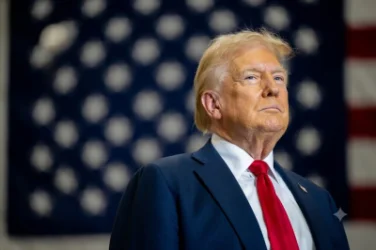
Azerbaijan Consistently Advances Its National Agenda on All External Platforms: Armen Gevorgyan

National Assembly member from the 'Armenia' faction, Armen Gevorgyan, wrote on his Telegram channel: 'The new agenda of Armenia formed as a result of the 44-day war, creating a new logic for geopolitical arrangements in the South Caucasus, primarily defined by Russian perspectives. Much of this arrangement remains inaccessible to us and is still unknown.
The prospective strategy of Russia can be summarized in the following phases:
Phase 1: Establishing a ceasefire and deploying peacekeeping forces in the conflict zone.
Phase 2: Reaching fundamental agreements on the opening of borders and communications between Armenia and Azerbaijan.
Phase 3: Developing a common understanding of regional broad cooperation and new mechanisms, including those with Turkey.
Phase 4: Achieving consensus on the resolution of the Nagorno-Karabakh issue and signing a peace treaty or preserving a long-term status quo.
Russia may assume that each new phase should come after achieving the main goals of the previous one. This will allow for proper and rational planning of its own resources and minimizing the risks of a new escalation of tensions in our region. This might be due to the expanding range of problems in close proximity to Russia's borders. Besides the South Caucasus, the situation is escalating around Ukraine, and there are serious issues on the borders of Belarus and the EU, along with the Turkic expansion in the post-Soviet space. It is evident that Russia needs some certainty in certain directions to concentrate on others.
Almost a year after the 44-day war, the Armenian authorities were working within the framework of Russian logic. However, at some point, in mid-October to early November of this year, deviations began to emerge. These were manifested in the disruption of the Russian logic of events in the region. It is a separate question as to who and why is trying to alter this course of events, causing headaches for Russia.
As a result, yesterday in Sochi, Russia reverted the development of events to its initial, planned course. How long this hegemony of Russia will continue in upcoming processes remains to be seen.
It is noticeable that the Armenian side lacks decisiveness and initiative. It is challenging to exhibit these qualities in the current conditions of Armenia's internal situation. A year has passed since the start of the deputy prime ministers' work, and only now is the government considering evaluating the economic consequences of opening borders, and they even struggle to find funds for that work. Discussions are not taking place within a North-South framework, which would primarily benefit us, but rather in a West-East context, outlined in the Istanbul declaration of Turkic states.
The current authorities of Armenia are focused on expanding their legitimacy internationally, while Azerbaijan is consistently advancing its national agenda on all external platforms. During this time, we lacked national consensus on the strategy for the country’s post-war development, and we did not see Armenia initiate a permanent mechanism for working with international organizations to promote its own agenda on communications and economic prospects. Armenia is alone, even with the visible support of various partners. It is evident that such support primarily serves the national interests of Armenia’s partners. For this reason, the idea of a 'peaceful era' in the region must be replaced with a reasonable agenda for national security, real economic development, regional mutually beneficial practical cooperation, and nationwide consolidation.'
Նմանատիպ հոդվածներ
Ավելին Politics բաժնից
Նիկոլ Փաշինյանը մամուլի նոր խոսնակ կունենա. «Հրապարակ»
Հայկական երկու ընկերություն հայտնվել են ռուսական պատժամիջոցների տակ
Բուրկինա Ֆասոն խզեց դիվանագիտական հարաբերությունները Ֆրանսիայի հետ