Serious Issues at Vardenis Neuropsychiatric Home for the Disabled
During a monitoring visit by the National Preventive Mechanism of the Office of the Human Rights Defender and experts from the Ministry of Labor and Social Affairs of Armenia to the Vardenis Neuropsychiatric Home, a number of issues were identified, and a detailed analysis was compiled.
In particular, the following main problems were noted:
- The home is overcrowded, with insufficient residential space for the personal area of the residents. Beds are tightly placed in rooms, violating residents' right to private life.
- Expired medical supplies and materials for laboratory tests have been discovered.
- There is a lack of medications, including the type and quantity of psychoactive drugs.
- Medications are stored under unacceptable conditions.
- The number of psychiatrists is critically low (one psychiatrist serves 450 residents), which is absolutely unacceptable.
- Medical documents are not maintained properly.
- There have been violations in the use of restraint measures; records are inadequately managed, injuries sustained by residents or staff performing restraints are not properly documented, and physical restraint is often carried out in the presence of other residents.
- The departments are in need of renovation, and the conditions of the rooms are inadequate (mattresses do not match the beds, there is a lack of bedside cabinets, etc.).
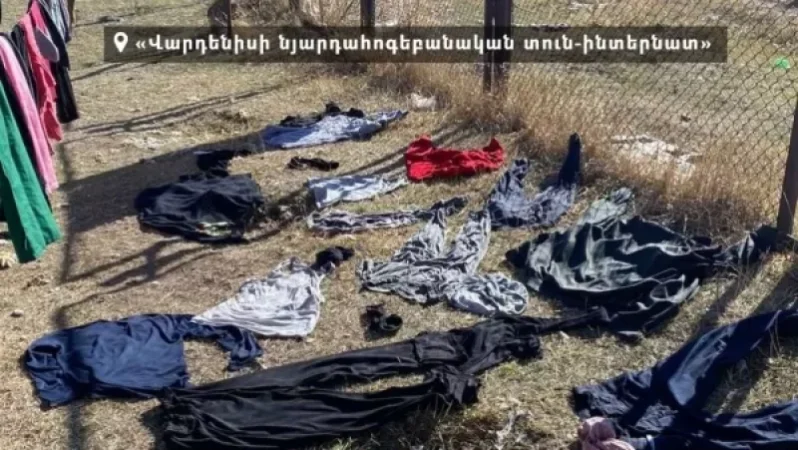
- Issues related to the personalization of clothes have been recorded; the clothes of residents with mental health issues who cannot personalize them are distributed randomly after washing.
- Some restrooms in the home need serious renovations.
- The conditions of the bathrooms in departments are inadequate (absence of showers), there is an urgent need for repairs.
- There are no accommodations, including entrances to the departments that are not equipped with ramps, resulting in difficulties for residents with mobility issues when accessing restrooms and outdoor areas.
- Dining rooms in the departments require additional furniture (one resident had to hold a plate in their hands because they could not access a table).
- Renovation in the dining rooms is necessary.
- There have been issues related to informed consent; residents do not provide informed consent and are not adequately informed about their rights.
- The guardianship institute is not functioning properly, with inadequate oversight of guardians acting in the interests of the residents.
- There is a need to provide residents with activities; despite having an employment center in the home, the primary activity type is watching a television installed in the common room, which has been malfunctioning for a long time in some departments.
- Residents who do not have personal mobile phones cannot contact their relatives or confidentially reach appropriate authorities due to the absence of public telephones.
- There are no supplies for residents to write letters, applications, and complaints (paper, pencils, pens, etc.).
- There is no access to public transport to the home, despite housing around 450 residents.
- There is a need for retraining of both medical and non-medical staff at the institution.
- The working conditions of the psychiatric organization's staff are unacceptable.
Compared to the previous visit, based on the recommendations of the Human Rights Defender, positive changes were noted in the home, mainly consisting of the following:
- The metal beds in the departments have been replaced with new ones.
- The quality of food has somewhat improved.
- Screening tests for cervical cancer have been carried out on female residents.
- Preventive vaccinations against the COVID-19 pandemic conducted in the institution are commendable.
The protection of human rights is a comprehensive process that guarantees the rights of all participants, ensures the provision of dignity to each individual, and establishes relationships based on mutual respect. One of the components of this principled approach is the condition of employees in the bodies tasked with protecting the rights of others, which must be continuously improved, including working conditions and social guarantees such as salaries.
The report reflecting the results of the visit, along with proposals aimed at resolving the identified issues, has been sent by the Human Rights Defender to the Ministry of Labor and Social Affairs of Armenia, expressing a willingness to discuss the raised issues and to support their resolution.
This publication includes photographs, taking into account that systemic problems remain unresolved for years, primarily due to years of incorrect and negligent state policy.
Նմանատիպ հոդվածներ

Urgent: The Opponent is Using Artillery and Armored Vehicles, Tensions at the Border

One Fatality and Two Missing from Debed: Community Leader Provides Details
The Probability of War is High, But the Corridor Will Be Difficult: Tiran Khachatryan Comments

Pashinyan Has Made a Decision Regarding the Fate of Chief of General Staff Artak Davtyan
Ավելին Society բաժնից

«Մուլտի գրուպ» -ի աշխատակիցները չեն հեռանում․ կառավարությունից սպասում են վճռորոշ պատասխանի

ԲԱՑԱՌԻԿ ՏԵՍԱՆՅՈՒԹ․ Կիլիկիայում հնչած կրակոցներն ու «ռազբորկան» տեսանկարահանվել է
Իրանում մահապատժի են ենթարկել «Մոսադի» հետ համագործակցելու մեջ մեղադրվող երկու տղամարդու