Under What Conditions Can You Donate Blood
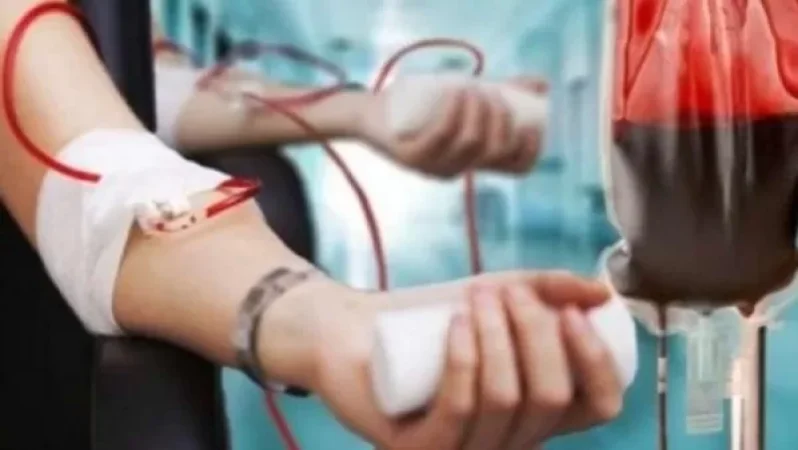
As we come together again in the coming days to donate blood, please familiarize yourself with the following provisions.
The minimum allowable weight for women is 52 kg, and for men, it is 62 kg. You can donate blood if your nearsightedness or farsightedness measures do not exceed -6 and +6 diopters.
You should not have consumed alcoholic beverages the day before. Additionally, avoid fatty, fried foods the evening before.
On the day of blood donation, you may drink coffee without milk, juice (but not tea or any dairy products), and eat dry bread without cream pastries.
At least 14 days must have passed since the use of antibiotics, 5 days since consuming aspirin, and 3 days since using painkillers (such as nimesulide, paracetamol, ibuprofen, ketoprofen, etc.).
At least 6 months should have passed since your last tattoo. After surgery, you must wait at least 6 months. After tooth extraction, it is also at least 10 days before you can donate.
A fever above 37 degrees Celsius or acute inflammation of the upper respiratory tract means you must wait 14 days. Following a COVID-19 vaccination, you must wait at least 10 days. After childbirth, at least 1 year must pass before you can donate, and only 3 months after stopping breastfeeding.
You must wait at least 5 days after menstruation.
The permissible dosage of euthyroxine is 25 mg. Having a thyroid nodule (goiter) is a contraindication. The removal of any organ is also a contraindication. A recent heart attack, high blood pressure, heart defects, and stroke are contraindications.
Chronic respiratory diseases (chronic obstructive bronchitis, asthma, emphysema) are contraindications. Liver cirrhosis, chronic hepatitis, and gallstones with gallbladder inflammation are also contraindications. HIV/AIDS, syphilis, viral hepatitis, tuberculosis, and brucellosis are contraindications as well.
All of the above responses have medical justification! Bypassing these rules may endanger both your (the donor's) health and that of the recipient (the blood receiver).
Source: Mari Julieta Simonian's page at the Hematological Center named after Professor Yolian of the Ministry of Health.
Նմանատիպ հոդվածներ
I Have No Ammo, But I Will Not Surrender, Nor Will I Give Up My Post. Gurgen, Who Blew Himself Up with a Grenade in Syunik: Vahan Azibekyan
Defense Ministry Refutes Reports of Additional Casualties Following Yesterday's Incident
‘A 7-Year-Old Child Taken as Captive Inserted His Fingers into the Turk’s Eye Sockets, Stirred Them to Remove His Eyes’ - Hasmik Babajanyan
The Enemy Has Withdrawn Again: What Is the Situation in Angehakot and Ishkhanasar
Ավելին Society բաժնից
Ինչ վիճակում է օրգանիզմում թմրանյութ հայտնաբերված երեխայի առողջական վիճակը. ArmLur

Արքայադստեր որդին դատապարտվել է ազատազրկման
Ադրբեջանից Հայաստան վերադարձած անձի բուժօգնությունը կազմակերպվել է. ՄԻՊ