Treasure Hunters Destroy Armenian Hoghvots Monastery in Turkey
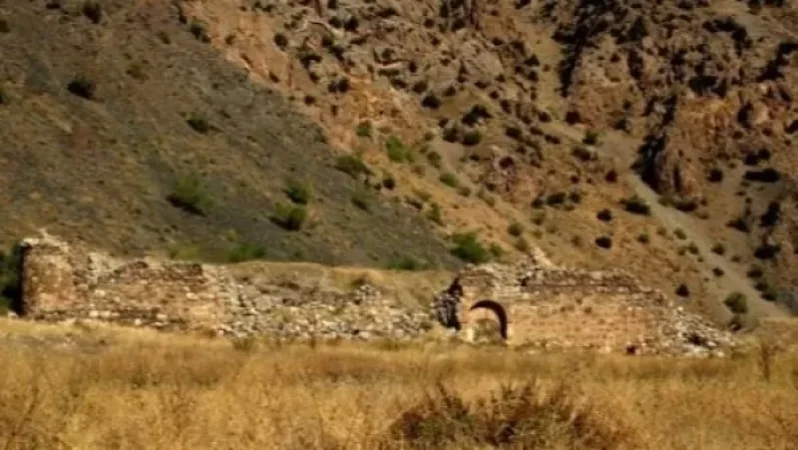
In Turkey, between the districts of Van's Gürpınar (Armenian Valley) and Çatak, on the banks of the Araks River, the historic Armenian Hoghvots (Hogeats, Hoghots) monastery has been destroyed by treasure hunters and is now on the brink of annihilation, reports ermenihaber.am.
Ali Kalçık, a representative of the 'Van ÇEVDER' association for the preservation of historical monuments, stated that the treasure hunters have removed all the stones of the monastery. “This is barbarism,” emphasized Kalçık, noting that access to the site has become almost impossible due to the manure from its years of use as a livestock barn. He pointed out that dozens of similar historical sites have been destroyed in Turkey. It is crucial that people, states, and non-governmental organizations eventually break the silence and say no to this destruction and the annihilation of world heritage.
Fazıl Öztekin, who has visited the monastery regularly for 20 years, mentioned that it was initially intact but is now on the verge of destruction. “When I first came to the monastery, it was completely standing. The decorations from the bell tower to the walls were preserved as they had been,” he stressed.
It is noteworthy that the Hoghvots monastery was located in the district of Andzevadzik of the province of Vaspurakan in Greater Armenia, south of Lake Van, near the village of Kasrik. According to a legend attributed to Movses Khorenatsi, the Apostle Bartholomew brought an icon of the Virgin Mary to Great Armenia, demolished it in the village of Kangavar, and constructed the St. Mary church near the temple of Anahit, thus founding the Hoghvots monastery.
After Christianity became the state religion, Gregory the Illuminator built the St. Zion church in the Hoghvots monastery, where, according to tradition, the remains of King Trdat the Great, Queen Ashkhen, and the sister of Khosrovidukht are buried. In the 4th century, Hoghvots was an episcopal residence. In the 17th century, the monastery was a renowned center for manuscript production. It was reconstructed between 1730 and 1765, destroyed in 1895, renovated in 1904, and abandoned in 1915.
Նմանատիպ հոդվածներ

Urgent: The Opponent is Using Artillery and Armored Vehicles, Tensions at the Border

Nikol Pashinyan Made a Terrifying Revelation Yesterday That the Public Seems to Have Overlooked: Political Scientist

Duts Military Unit Soldiers Report They Were Under Siege Since November 15

At this moment I am in the morgue, the body is not mutilated, nor has he been taken captive. Taron's brother provides details
Ավելին Society բաժնից

Երևանում ձերբակալված մաթեմատիկոս և բլոգեր Միխայիլ Վերբիցկին ազատ է արձակվել
Վանաձորում երեխան ընկել է Փամբակ գետը. ընթանում են որոնումներ

Ինչ վիճակում է օրգանիզմում թմրանյութ հայտնաբերված երեխայի առողջական վիճակը. ArmLur