Armenia Ready to Normalize Relations with Turkey Without Preconditions: Mirzoyan's Interview
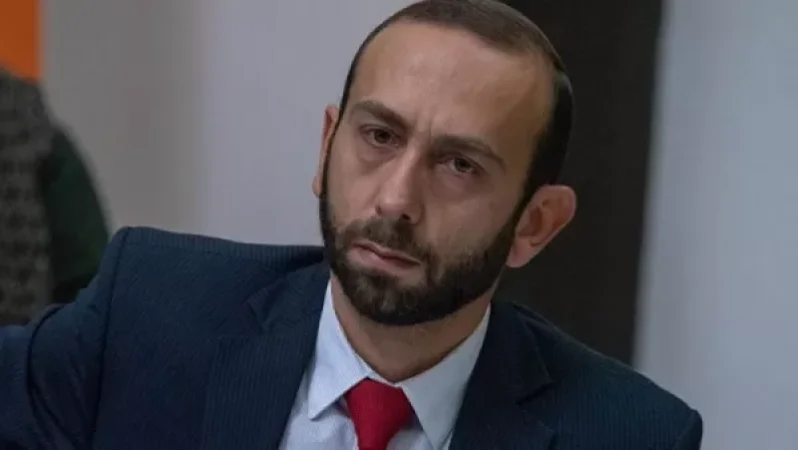
The Minister of Foreign Affairs of Armenia, Ararat Mirzoyan, has given an interview to the magazine "Nouvelles d'Arménie." Below is the full text:
- What geopolitical situation is Armenia in nearly a year after the 44-day war? How do you see the future of the region?
- The aggression unleashed by Azerbaijan against Artsakh had severe consequences for the Armenian people, as well as new challenges in the context of regional security and stability. Although military operations were halted with the trilateral statement of Armenia, Russia, and Azerbaijan on November 9, the situation remains fragile. This is due to Azerbaijan's failure to fulfill certain commitments stipulated in the aforementioned statement, particularly through distortion of provisions, the continued hostage-taking of prisoners of war and civilians, as well as aggressive and expansionist rhetoric towards Armenia and new threats of the use of force against Armenian sovereign territories.
Azerbaijan's provocative behavior affects not only Armenia but also other countries in the region, which we faced, for example, through unacceptable actions regarding transit transport. Unfortunately, this behavior by third countries, as well as the encouragement of anti-Armenian and militaristic rhetoric, creates additional obstacles to regional stability.
Nevertheless, Armenia continues its efforts to establish lasting stability in the region. It is clearly stated in our government's program that we are willing to contribute to opening a peaceful era of development for the region. I am confident that, with the manifestation of political will and the implementation of constructive steps by other countries, all necessary preconditions will be established for initiating active discussions around the stated agenda.
- In September of this year, after a long break, a meeting took place in New York between the co-chairs of the OSCE Minsk Group and the Foreign Ministers of Armenia and Azerbaijan. Does this indicate that the peace process has resumed, and what are the prospects in this regard?
- Despite the claims of Azerbaijan's top leadership that there is no Nagorno-Karabakh or Nagorno-Karabakh conflict, the co-chairing countries of the OSCE Minsk Group, as well as many other states, share the Armenian side's position that the Nagorno-Karabakh conflict remains unresolved and must receive a comprehensive settlement through peaceful negotiations within the framework of the OSCE Minsk Group's mandate. The Republic of Armenia stands for the complete resumption of the resolution process of the issue.
In this regard, we consider the meetings held in New York to be important because they primarily create an opportunity to discuss and seek solutions to urgent humanitarian issues, particularly concerning the repatriation of all Armenian prisoners of war and civilian hostages, further clarification of the fate of missing servicemen and civilians, and the preservation of Armenian cultural and religious heritage in the territories of Artsakh that have come under Azerbaijan's control.
The resolution of these primary humanitarian issues will create necessary conditions for initiating substantive discussions aimed at achieving a lasting and comprehensive resolution to the Nagorno-Karabakh conflict under the mandate of the OSCE Minsk Group—based on well-known principles and elements, including the right to self-determination.
- Do France and the USA currently have any real role in the conflict resolution process? Is there any change in their positions since before the war?
- Russia, the USA, and France, as members of the OSCE Minsk Group, the only format with an international mandate for resolving the Nagorno-Karabakh conflict, have always played a significant role in the peaceful resolution process of the issue. During the 44-day aggression, the co-chairing countries made efforts toward maintaining a ceasefire, which resulted in a ceasefire established on October 10 by Russia, October 17 by France, and October 25 by the USA in the conflict zone; however, this was violated by Azerbaijani armed forces.
After signing the trilateral statement on November 9, the co-chairs, as well as high-ranking representatives of the co-chairing countries, issued statements concerning the further resolution of the Nagorno-Karabakh conflict within the framework of the OSCE Minsk Group, addressing numerous humanitarian issues that have arisen on the ground. In this context, I remind you of the joint statements of the co-chairs on December 3, 2020, and April 13, 2021, which clearly outline the priority issues for the peace process that can provide a foundation for resuming negotiations based on known principles and elements.
We highly value the united and consistent efforts of Russia, the USA, and France both within the framework of the OSCE Minsk Group and outside of it aimed at resolving the Nagorno-Karabakh conflict and establishing stability and security in the region. I stress the importance of continuing mediation efforts at the highest level by the co-chairing countries aimed at resolving the Nagorno-Karabakh conflict.
- What is Armenia's position regarding relations with Turkey? Is any development expected in this regard in the near future?
- In our government program, it is stated that Armenia is ready to normalize relations with Turkey without preconditions. The absence of diplomatic relations between Armenia and Turkey, closed borders, as well as Turkey's overt involvement in the 44-day war and the recent statements regarding the so-called "Zangezur corridor" are negatively impacting stability in the region.
Nonetheless, Prime Minister Nikol Pashinyan has expressed in his public speeches the Armenian side's view that if Turkey demonstrates readiness to normalize relations and takes corresponding actions, Armenia is prepared to discuss possibilities for building bilateral relations. At the same time, I would like to emphasize that there is currently no ongoing negotiation process with Turkey.
- In your opinion, is it possible to closely cooperate with Russia militarily while simultaneously opening up to Europe?
The foreign policy priorities of the Republic of Armenia are outlined in the government program. With the Russian Federation, we have allied relations, and a significant component of our multifaceted cooperation includes military-political, security, as well as economic, energy, infrastructure, humanitarian, and cultural spheres.
At the same time, Armenia values the development of mutually beneficial cooperation with the EU and EU member states in various formats based on common democratic values. In this regard, I would particularly like to highlight the significance of the Comprehensive and Enhanced Partnership Agreement with the European Union. This comprehensive document creates a solid legal foundation for cooperation between Armenia and the EU, as well as with the EU member countries. The effective implementation of the agreement will strengthen cooperation in various fields such as justice, security, economy, agriculture, infrastructure, environment and climate, education and science, culture, healthcare, and more. The Eastern Partnership is also a very important and robust platform for cooperation, and we continue our active involvement and work to strengthen the inclusivity of the format and deepen cooperation.
- What developments are taking place in the Armenia-Iran relations?
- Historical friendly relations based on mutual trust exist between our two countries. There is a mutual willingness to further develop and deepen Armenia-Iran relations based on friendship and mutual respect, as well as beneficial cooperation in trade, economic, political, and other areas. Armenia is optimistic that nuclear negotiations will resume, proceed favorably, and create opportunities to lift existing sanctions against Iran, which could serve as an important impetus for the development of economic cooperation between Armenia and Iran.
- What stage are the negotiations regarding the release of Armenian prisoners of war?
For us, the urgent return of Armenian prisoners of war and civilian hostages remains a primary concern. Over 100 prisoners have returned to Armenia since the ceasefire. Nevertheless, Azerbaijan continues to violate international humanitarian law, the Geneva Conventions, and the demands of point 8 of the trilateral statement of November 9, 2020, by failing to return all prisoners of war currently held in captivity. Armenia continues to work consistently towards the prompt repatriation of our compatriots and utilizes every format and opportunity to raise and promote this issue in international forums. The European Parliament, as well as the parliaments of several countries, have adopted resolutions calling for the return of all Armenian prisoners of war, while numerous state leaders, senior clergy, cultural and artistic figures, parliamentarians, and dozens of human rights defenders and organizations (Human Rights Watch, Freedom House) have voiced support on this issue. The Armenian side has also raised the issue of prisoners of war and other detained persons in the context of the case against Azerbaijan in the International Court of Justice. I emphasize that Armenia places great importance on this legal process.
- What expectations do we have regarding the further development of Armenian-French cooperation?
“There are privileged relations between France and Armenia based on historical and cultural ties and friendship. There is a high level of political dialogue with France that is active at both legislative and local government levels. The multifaceted cooperation between our two countries includes areas such as economy, education, science, culture, and healthcare, as well as humanitarian assistance in the context of overcoming the consequences of war and pandemic. France is one of the leading countries in terms of investments in the Armenian economy. An important achievement of Armenia-Francophone cooperation is the establishment of the French University in Armenia, which has gained a reputation as a forge for producing highly qualified specialists in the Armenian market during its 20 years of operation.
France was the first country to legally recognize the Armenian Genocide and is among the exceptional nations that commemorate April 24 as a national day of remembrance alongside Armenia. During Azerbaijan's aggression against Artsakh, which was supported by Turkey, France has consistently stood by us through both targeted statements and actions aimed at overcoming the war's consequences and a unique nationwide solidarity, as reflected in the decisions of the French Senate and National Assembly, as well as by nearly a hundred regions, departments, and cities regarding recognizing the independence of Artsakh and providing humanitarian support to the people of Artsakh. Just days ago, the Paris City Council unanimously decided to name a large area in the heart of Paris, which houses the statue of Komitas Vardapet and the Yerevan Garden, "Armenian Esplanade"—as a symbol of unwavering Armenian-French friendship and in recognition of France’s support during this challenging period for Armenia and the Armenian people.
As a co-chair of the OSCE Minsk Group, France, along with Russia and the USA, plays a key role in the peaceful resolution of the Nagorno-Karabakh issue, particularly concerning the final clarification of Artsakh's status. Armenia also highly values France's and personally President Macron's attention to the issues of returning Armenian prisoners of war and civilians and protecting the historical and cultural heritage of Artsakh that has come under Azerbaijani control. The high level of our political dialogue with France obliges us to deepen the agenda of cooperation, so I can say that the prospects in this regard are clear, as there is full reciprocity of expectations and willingness at the highest intergovernmental level.
Նմանատիպ հոդվածներ
Ավելին Politics բաժնից
«Արարատցեմենտը» Փաշինյանինը չէ, պետությանն էլ չէ. Նարեկ Կարապետյան
Մենք դեռ մի թշնամու հետևանքները չենք մարսել․ ինչո՞ւ է Փաշինյանը նոր թշնամի ստեղծում․ Նարեկ Կարապետյան
Արթուր Սարգսյանը քաղաքական պատանդ է, նրա նկատմամբ հետապնդումը պետք է դադարեցվի. «Հայաստան» դաշինք