Pashinyan Issues Directives, Anti-Corruption Policy Council Meeting Held
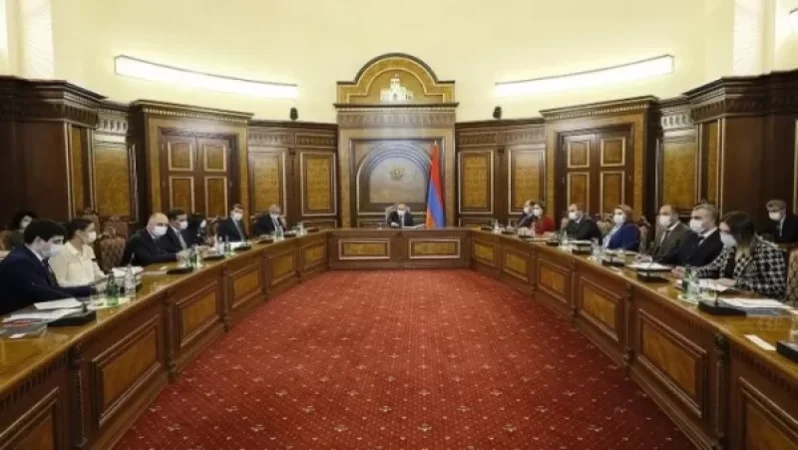
Prime Minister Nikol Pashinyan chaired the latest meeting of the Anti-Corruption Policy Council. This information has been reported by the Prime Minister's Office.
The council initially approved the agenda of the meeting, after which Deputy Minister of Justice Suren Grigoryan presented the performance results of the Anti-Corruption Strategy and its implementation program for the years 2019-2022.
It was reported that within the framework of establishing the anti-corruption institutional system, a legislative package aimed at the creation of the Anti-Corruption Committee has been adopted by the National Assembly during the reporting period. To initiate the formation of the committee, a competition for the position of committee chair was held, resulting in the appointment of the committee chair by the government decision No. 1479-A dated September 16, 2021.
Simultaneously, 30 investigators from the Special Investigation Service have been appointed in autonomous positions within the Anti-Corruption Committee as acting officials until the positions are filled through competitive procedures. Work is ongoing to establish the legal foundations for the operational and investigative activities of the Anti-Corruption Committee.
Parallel efforts are being made to ensure proper infrastructural conditions for the Anti-Corruption Committee.
On April 14, 2021, the National Assembly adopted constitutional laws amending the “Constitutional Law on the Judicial Code of the Republic of Armenia” and related laws aimed at the establishment of a specialized anti-corruption court. Currently, actions are being planned to implement the legislative acts.
Specifically, within one week after the enactment of the legislative acts, the Supreme Judicial Council will request the government for approval to increase the number of judges as follows: 1) in the anti-corruption court, by fifteen judges; 2) in the appellate criminal court, by six judges; 3) in the appellate civil court, by six judges; 4) in the Criminal Chamber of the Court of Cassation, by two judges. After receiving government approval within five days, the Supreme Judicial Council will increase the number of judges within one week.
The legislative package aimed at the establishment of the anti-corruption court also includes amendments to the law on the prosecution, according to which the legality of the pre-trial criminal proceedings related to corruption crimes conducted by the Anti-Corruption Committee will be monitored by a separate subdivision of the Prosecutor General's Office, which will be established as a result of reorganizing the department responsible for monitoring corruption offenses operating within the Prosecutor General's Office since 2019. Procedures for verifying the integrity of the mentioned subdivision's prosecutors have been established. Furthermore, the procedures for verifying the integrity of candidates for prosecutors, including the Prosecutor General and his deputies, have also been stipulated by law.
During the reporting period, significant efforts have been made in the field of corruption prevention, including legislative amendments aimed at improving the declaration system, which has expanded the circle of declarants, and introduced a requirement for declaring expenses and property actually owned by individuals. It has also been stipulated that property acquired in the name of the declarant, for their benefit or account but belonging to a third party, should be declared, along with the assets that the declarant actually benefits from or manages. The monetary threshold for declaring valuable property has been reduced from 8 million drams to 4 million drams.
To reveal the actual beneficiaries of legal entities, a legislative package has been adopted that has established a publicly accessible register, mandating the phased disclosure of real beneficiaries for all legal entities operating in Armenia.
A new Criminal Code has been adopted to identify corruption crimes, revising the elements of corruption offenses and introducing the institute of criminal liability for legal entities.
In the framework of the constant monitoring of the Anti-Corruption Strategy, the Ministry of Justice has prepared and published a report on the implementation of the Anti-Corruption Strategy in the first half of 2021, presenting the progress of the measures, public involvement in these activities, and circumstances hindering their implementation.
The Ministry of Justice has developed and submitted for public discussion a draft proposing amendments to the Anti-Corruption Strategy, which also aims to improve the monitoring regulations. Specifically, new procedures for conducting monitoring and evaluation have been established. With the support of international partner organizations, a new electronic platform for monitoring is currently being developed, which will digitize the processes of ongoing monitoring and evaluation carried out by the Ministry of Justice and civil society organizations, including the processes of information loading and submission by performing bodies.
In the next agenda item, issues raised in the reports on GRECO's 4th round of evaluations and the fifth pilot phase of the Istanbul anti-corruption network for Eastern European and Central Asian countries were addressed. A report regarding the “Transformation of law enforcement agencies and investigative jurisdiction issues within anti-corruption reforms” was also presented.
A discussion on the aforementioned issues took place. Prime Minister Pashinyan has instructed to form a relevant working group that will present solutions to the problems highlighted in the reports to the Anti-Corruption Policy Council shortly.
Նմանատիպ հոդվածներ



Ավելին Politics բաժնից
Փաշինյանը մեկօրյա արձակուրդում է

Ինչու են խուզարկում Արեգնազ Մանուկյանի բնակարանը. պարզաբանում

Վարդան Ղուկասյանը տեղը չի գտնում. «Իրավունք»