How Teachers' Bonuses Will Be Calculated: The Minister Clarifies
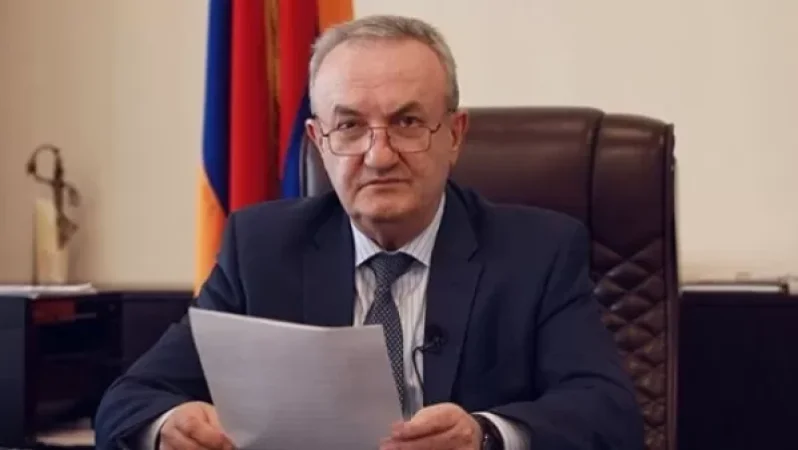
According to the information presented by the Minister, among the 1372 teachers who applied to participate in the voluntary certification, 996 participated in the subject knowledge test, which is 72.6 percent of the applicants. In terms of the points scored in the certification, 47.2 percent of the participating teachers, 468 individuals, will receive bonuses of 30-50 percent.
The voluntary certification has been conducted for teachers teaching in grades 7-12 in the subjects of Armenian Language and Literature, Armenian History, Algebra, Geometry, Physics, Chemistry, Biology, and Geography. Starting from next year, all teachers teaching in grades 5-12 will participate in voluntary certification.
In terms of percentage of those receiving bonuses, mathematics teachers rank first (87 percent of participants are eligible for bonuses), followed by physics teachers (56 percent) and Armenian language teachers (41 percent). The lowest figures have been recorded in the subjects of Chemistry and Geography, with 11 and 20 percent, respectively.
“The average salary of a teacher for one position is about 125,000 drams. A teacher receiving a 30 percent bonus will see their salary increase by about 37,000 drams, a 40 percent bonus will result in a 50,000 dram increase, and a 50 percent bonus will increase their salary by approximately 62,000 drams,” said Vahram Dumanyan. However, members of the teacher community have pushed back against this, including on the ministry's page, pointing out that inflated figures have been presented.
“You say the average salary of a teacher for one position is around 125,000 drams. Listeners may think teachers earn 125,000 drams monthly. But you don’t mention that deductions will be made—23.8 percent will be withheld. Let’s see how many thousands are left after that. Additionally, not all schools pay 125,000 (for example, our school pays about 117,000), and several teachers have one position with a total of 22 class hours weekly. Therefore, the majority of teachers will receive bonuses of approximately 18,000-30,000 drams. The figures you presented do not match reality,” stated one user.
We learned that the Armenian language test consisted of more than 30 questions, with about 10 sub-questions. The tests created by the GITC were not as complicated as they were extensive. Participants complained that the allocated 3 hours were not sufficient to answer the test.
Regardless of the outcomes of the certification, all teachers agree on one issue: a test cannot determine which teacher is good enough to deserve a bonus and which is not. According to one interlocutor, the most accurate assessment of a teacher occurs in the classroom, where observers can see how a teacher conducts their lessons and whether students are listening to them. Often, teachers who have passed certification cannot maintain classroom discipline.
After the release of the certification results, the teaching community raised the question of why participants who did not pass the threshold and will not receive bonuses are not separated from those who did meet the threshold and will receive bonuses. “This is probably done to show that more people are getting money and to claim that the program is successful. It is not clear whether the calculation is based on the position percentage or the salary amount. Very few teachers will have just one position-class hour. To change the system, the teacher must be incentivized, rather than considering 120,000-130,000 drams as a high salary. Set salaries at 300,000-400,000 drams, and voluntary certification participation will reach 80-90%. I am convinced of that. And require knowledge and skills, not merely manipulable capabilities,” one teacher concluded.
Susanna Azatian, head of the Department of General Education and Extracurricular Programs of the Ministry of Education, Science, Culture and Sports, in response to our question about what will happen with participants who did not surpass the sufficient threshold, which accounts for more than half, emphasized, “It is stipulated that those who do not surpass the threshold will come to the mandatory certification in 2022, but considering that this was a trial phase, there has been a change in the regulations, and this threshold will not affect the participants who did not surpass it, thus, this regulatory point will come into force in January 2022, meaning there will be no consequence for them. They will continue to work at their workplaces and will receive the salary they currently receive.”
“It is about those scoring 0-59 percent, while those scoring 60-69 percent, for whom no bonus was anticipated, will simply be considered certified. This means there will be no salary increase, but they will also not be subject to mandatory certification next year. Those scoring 70-79 percent will receive a 30 percent bonus, those scoring 80-89 percent will receive a 40 percent bonus, and those scoring 90-100 percent will receive a 50 percent bonus,” said the representative of the Ministry.
She noted that there will be no teachers losing their jobs as a result of the voluntary certification.
Will the bonus be calculated based on the position percentage or the salary? Azatian states, “The bonuses are set against the current salary, as stipulated by the Labor Code. Decisions will still be made; now discussions are ongoing because the appeal phase has not concluded, and there are quite a number of contentious issues. The bonus is calculated based on the salary, for instance, if a teacher has 22 hours, the bonus pertains to that 22 hours. If the salary is 125,000 drams, with a 50 percent bonus, the teacher would receive about 65,000 drams in bonus.” They are still in the summarization phase. “Since the appeal phase has not been completed, many changes could still occur,” states the department head, emphasizing that this is a trial phase, and there are still many adjustments to be made.
Նմանատիպ հոդվածներ

Ավելին Society բաժնից
Հայաստանի մասին նոր զեկույց․ ուշագրավ մանրամասներ
Մայր Աթոռ Սուրբ Էջմիածինը հայտարարություն է տարածել
Հորդառատ անձրևները կվերսկսվեն. հնարավոր է նաև կարկուտ, քամու ուժգնացում