Azerbaijan's Application is Hypocritical, Frantic Response: Armenia's Representative in The Hague
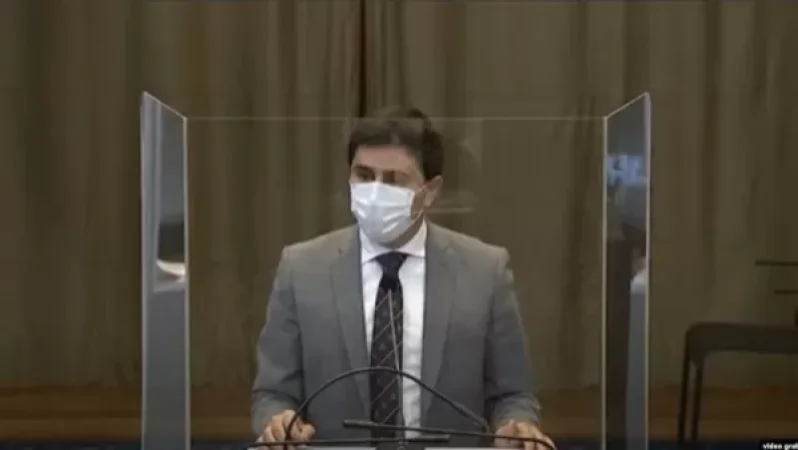
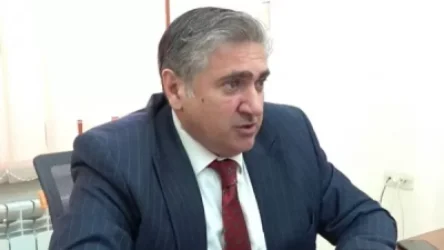
The International Court of Justice at the United Nations has today begun examining Azerbaijan's request for urgent measures against Armenia, framed by Azerbaijan as 'to protect against threats from Armenia.' Armenia's legal representative, Yeghishe Kirakosyan, countered the Azerbaijani claims, labeling them as false. This was reported by 1lurer.am.
In his remarks, Kirakosyan noted, 'Madam President, honorable members of the court, it is a privilege and a great honor to appear before you as the representative of the Republic of Armenia in this case. This morning, you heard Azerbaijan's oral remarks regarding the request for interim measures. This application addresses issues that evidently do not fall within the scope of the Convention. This is a false equivalence exercise, a strategy designed to create an informational smokescreen aimed at creating the impression that Azerbaijan is the real victim.'
'Azerbaijan's application is a hypocritical, frantic response to counter Armenia's justified claims. Armenia notified Azerbaijan of its demands on November 11, 2020. Subsequently, Azerbaijan responded not with engagement but with 'repetition.' Armenia raised issues concerning hate speech. Azerbaijan repeated them. Armenia presented demands related to the destruction of cultural heritage. Azerbaijan repeated them. In September, Armenia submitted its application to the court requesting interim measures. Azerbaijan again repeated, just one week later. Azerbaijan's claims are fabricated and defensive maneuvers. When you strip away the smokescreen, you find no substance to these claims. The demonstrably false information presented by Azerbaijan's representative regarding Khojaly is a glaring example.
'Does Azerbaijan wish to raise questions? We can too. Shall we begin discussing the massacres and pogroms of ethnic Armenians in Sumgait, Baku, Maragha, and Ganja? No, I shall not do that, as now is not the time for it. I cannot imagine how it could be effective before this court. My esteemed colleagues will demonstrate that Azerbaijan's request presents issues that are problematic only at first glance and advances demands unrelated to the rights stemming from the Convention. Moreover, there is no urgent or irreparable harm foreseen by the rights conferred by the Convention. Azerbaijan's request regarding demining is an attempt to create an appearance of discrimination before the court where it does not actually exist and cannot exist. The so-called evidence presented in Azerbaijan's application contains absolutely no proof of who planted mines, where they were planted, when, and why they were planted.
It should be noted that it is Azerbaijan that planted hundreds of thousands of mines in the early 1990s. The presence of mines in the conflict zone has affected everyone. Unfortunately, we have all suffered due to landmines, and my country mourns every tragic death of a person, regardless of ethnic background. For decades, we have sought to complete a comprehensive demining process. However, Azerbaijan has persistently obstructed all such humanitarian efforts as ethnic Armenians would have been the main beneficiaries. Only now, when those individuals have been forced to leave, does Azerbaijan suddenly recognize the value of demining.
Nonetheless, the Prime Minister of Armenia has repeatedly stated that he is ready to meet with the President of Azerbaijan, including for discussions on the issue of mines. Armenia has already provided Azerbaijan with maps of mined areas twice. In the context of solving all humanitarian issues, we are ready to provide any additional maps we have that show the locations of mined areas fallen behind the lines of the Azerbaijani armed forces, which now only raises humanitarian concerns. And Armenia made that offer despite having no legal obligation to provide such maps.
Nevertheless, Azerbaijan has unjustly accused Armenia of engaging in 'mining operations on Azerbaijani territory' and is asking the court to demand that Armenia cease such activities. Madam President, despite the fact that such a request clearly falls outside the framework of the Convention, I want to clarify that Armenia does not plant mines in the Republic of Azerbaijan or the Republic of Artsakh. Armenia respects and adheres to its obligation under Article 2(4) of the UN Charter to refrain from the threat or use of force, unlike the Republic of Azerbaijan. Even now, while we speak before the court, Azerbaijan is violating the ceasefire regime, and its troops are illegally stationed deep within the undisputed sovereign territory of Armenia.
In fact, during these hearings, Azerbaijani forces continue to shell villages and target peaceful civilians in Armenia and Artsakh. Azerbaijan also accuses Armenia of supporting, tolerating, and sponsoring online campaigns of hate toward 'anti-Azerbaijani hate groups.' These allegations are essentially unfounded. On the contrary, the government of Armenia, including Prime Minister Pashinyan, is actively pursuing an agenda of peace and reconciliation in the region. In fact, the recently adopted Government Action Program sets a clear objective: to open a 'new era of peaceful development for our country and the region.'
Last week, you heard our legal advisors literally present the hateful rhetoric used by President Aliyev to describe my people. I will not repeat those horrendous insults here. In Azerbaijan's case materials, there are certainly no formulations even slightly close to the kind of hate speech attributed to my government. Instead, Azerbaijan is presenting to the court a few individuals or statements from non-governmental organizations who have gone through emergency and self-defense trainings.
Let me be clear. Armenia does not support or justify disparaging statements based on race and takes very seriously all of its obligations under the Convention. However, the fact that Azerbaijan has chosen to present such accusations before the court, effectively defending the horrific statements made by its president and state officials, indicates but one thing: its desperate attempt to copy Armenia's case, regardless of how unfounded its claims will be. The measure sought by Azerbaijan regarding the preservation of evidence is no better. It is simply incorrect. This request pertains to an alleged right that is not defined under the rights established by the Convention.
Currently, Armenia is investigating crimes allegedly committed by Armenian servicemen against Azerbaijanis. However, Azerbaijan cannot turn the Convention into a legal assistance treaty. Furthermore, since the request pertains to evidence located in territories controlled by Azerbaijan, such evidence is not under Armenia's control. Our legal advisors will elaborate on these fundamental shortcomings and other issues regarding Azerbaijan's unfounded request.
Madam President, honorable members of the court, Armenia's knowledgeable legal advisors will now substantively demonstrate to you that Azerbaijan's request for interim measures should be entirely rejected. First, Professor Kolb will address the primafacie jurisdiction. Second, Professor Murphy will explain why Azerbaijan's requests regarding mines and the alleged cross-border actions do not satisfy the court's requirements for interim measures, why Azerbaijan's inquiries do not meet primafacie jurisdiction, do not give rise to rights under the Convention, and have a number of serious deficiencies. Third, Dr. Salonidis will address why Azerbaijan's requirement concerning the incitement of racial hatred against Azerbaijanis also fails to meet the requirements for applying interim measures and does not constitute a violation of the Convention. Azerbaijan's evidence does not support the incitement or encouragement of racial hatred or violence, nor does it indicate any action by the state that would invoke the application of the Convention. Professor d'Argen will conclude Armenia's submissions by explaining why Azerbaijan's request regarding the gathering and preservation of evidence is irrelevant and, in any case, does not meet the requirements for applying interim measures. In this regard, Azerbaijan's application falls outside the framework of the Convention and the court's judicial practice.
Thank you, Madam President, honorable members of the court, for your attention.'
Նմանատիպ հոդվածներ
Ավելին Politics բաժնից
Ընտրական գործընթացի շուրջ նոր զարգացումներ կան
Պենտագոնի հարկերը փակվել են. մանրամասներ
Իրանում ռելսերից դուրս է եկել մարդատար գնացքը