Azerbaijani Police Post Aims to Intimidate Population, Human Rights Defender Says
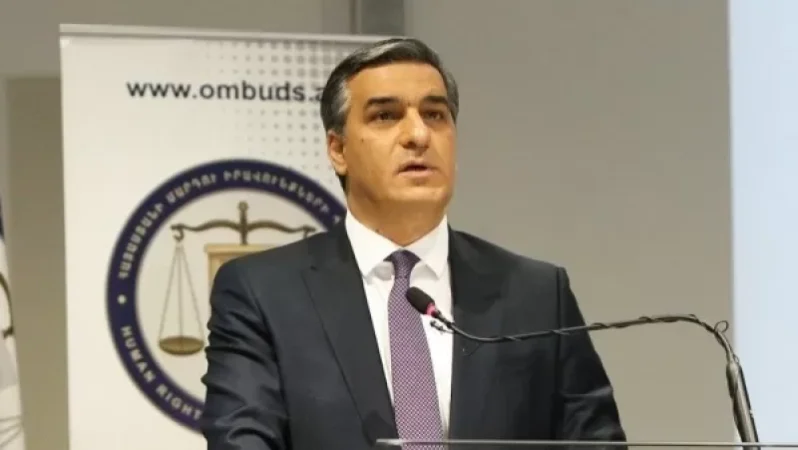
The Human Rights Defender of Armenia, Arman Tatoyan, wrote on his Facebook page: "Human rights fact-finding activities conducted by the staff of the Human Rights Defender of Armenia during September 14-15 in the Syunik region confirm that after the establishment of an Azerbaijani police post on September 11 in the area of the Goris-Forotan community along the M2 interstate road, Azerbaijani armed servicemen are continuously violating people's rights with deliberate actions.
In particular, the facts indicate that armed servicemen at the post continue to stop Iranian trucks legally traveling through that section of the interstate road without legal grounds and conduct various checks. They are illegally extorting money from drivers and presenting unlawful other demands. Specifically, they are demanding fuel and charging a fee for stopping, apart from the so-called state fees, and there are reports of various sums being collected in Armenian drams.
Immediately next to the police post, barriers have been placed on the road. Due to the illegal actions of Azerbaijani armed services, the movement of people and civilian vehicles in the Forotan section of the road has significantly slowed down, leading to frequent traffic jams that are intensifying over time. Similarly, traffic on the Kapan-Tatev road has also been disrupted. The road has become heavily congested, as it is not designed for the volume and type of traffic involving such trucks. There are instances of accidents.
This concerns the rights of both the civilian population of Armenia and Iranian citizens legally present in the territory of Armenia. Due to queues and traffic jams in the Forotan area, traffic has become one-sided, significantly complicating communication for the civilian population of Armenia and access to urgent medical services. Furthermore, the rights of Iranian citizens to conduct business and their employment rights are also being violated. People are incurring significant material losses.
Through the cameras installed in the Forotan section of the road, Azerbaijani authorities continue to unlawfully collect personal data of Armenian citizens without legal grounds. The cameras evidently record the license plates of all vehicles, the number of passengers, and the faces of the passengers and drivers, considering that the speed of vehicles has significantly slowed down, particularly due to barriers erected by Azerbaijani armed servicemen in that area.
The armed servicemen at the post are almost always masked, fully covering their faces, and are consistently on duty with automatic weapons and other firearms, as confirmed by investigations from the Human Rights Defender’s Office of Armenia. This is absolutely unacceptable, clearly intimidating behavior, given that it concerns an interstate road connecting communities in Armenia and that primarily civilians are traveling on that road.
Moreover, the masked appearance of Azerbaijani armed servicemen grossly violates international human rights norms, significantly increases the risk of unlawful acts, and fosters an atmosphere of impunity. It is evident that Azerbaijani authorities clearly know what dangerous consequences their actions may pose for people and have intentionally proceeded with them. Therefore, they bear responsibility for gross violations of human rights. Their actions have no legal basis.
It is undeniable that the deployment of the Azerbaijani police post, as well as such conduct, aims to create tension and intimidate the civilian population. The numerous queues of trucks and traffic jams have disrupted the normal and peaceful life of the civilian population in the Goris-Forotan community, leading to consequences that threaten the physical safety of people.
In the created conditions, the Azerbaijani police post, barriers, cameras, and the deployment of armed servicemen are overtly unlawful. This issue should be guided by the principle of the supremacy of human rights, especially considering that there has been no delimitation and demarcation of the state border between the two countries. The Human Rights Defender will inform international organizations (UN, OSCE, CoE, etc.) about the current situation."
Նմանատիպ հոդվածներ

Ավելին Society բաժնից
Հեղեղատարափ անձրևներ ու աղետալի ջրհեղեղներ․ ինչ է սպասվում աշխարհի տարբեր տարածաշրջաններին
Երևանի քաղաքապետարանը զգուշացնող հայտարարություն է տարածել

Կայծակը կաթվածահար է արել ենթակայանը․ մի շարք գյուղեր մնացել են առանց հոսանքի․ ՀԷՑ