Yerevan Botanical Garden to Get a New Breath of Life
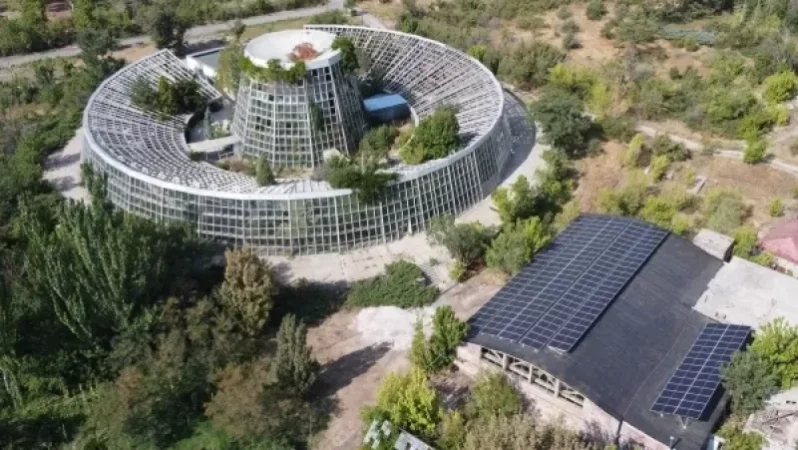
The Armenian National Academy of Sciences' A. Takhtajyan Institute of Botany reports that renovation works have been underway at the Yerevan Botanical Garden for several months now.
Fully reconstructing the garden's eco-educational center, funded by the World Wide Fund for Nature (WWF) and the German Cooperation (GIZ), the center will soon be equipped with modern solutions and facilities for organization of summer schools and scientific courses.
Additionally, partial renovations will be made to the central greenhouse, with broken glasses being replaced with new ones. Improvements will be made to biotopes, while the narrow paths between them will be renovated. Deep pruning of trees and removal of branches obstructing the glasshouse will also take place.
With funding from Mikael and Karen Vardanyan, the irrigation network located within the garden's 13-hectare collection of geographical plots (Caucasus, East Asia, Eurosiberia, North America) will also be reconstructed, as it had become entirely outdated and was no longer serving its purpose. A deep pumping system will be installed to ensure stable water supply and significant savings in irrigation water, addressing one of the most critical water supply issues for the garden.
Director of the Institute of Botany Anahit Ghukasian notes, “The botanical garden has great ecological and scientific significance. It is one of the largest green areas in Yerevan and one of the most loved recreational spots for residents. The current works are very important, but after their completion, we will need the support of Yerevan residents in the form of volunteering. The rebirth of the garden has commenced, but much work still lies ahead. I am confident that together we can achieve great changes.”
This year marks the 85th anniversary of the Botanical Garden. Established in 1935 in the semi-desert zone of Yerevan, the garden spans 80 hectares of treeless area and serves as an institution for scientific, eco-educational, educational, and recreational purposes. Over the past decades, the botanical garden has played an extremely important role in the conservation of rare and endangered plant species, as well as endemic and relict species listed in the Red Book of Armenia.
Նմանատիպ հոդվածներ

Employees Can Go to Work Without Testing Until October 15, Lawyer on the Law

This Poster is My Personal Initiative and Has Nothing to Do with the Party: The Author of the Notable Poster Revealed

Reservist Officer Killed in Kapan Was Participating in Three-Month Exercises

Azerbaijanis Explain to Syunik Residents Why They 'Trouble' Iranians: 'Hraparak'
Ավելին Society բաժնից

Կայծակը կաթվածահար է արել ենթակայանը․ մի շարք գյուղեր մնացել են առանց հոսանքի․ ՀԷՑ

Ակտիվ ցիկլոնը ներխուժում է Հայաստան․ սպասվում են անձրևներ․ ջերմաստիճանի կնվազի

Երևանում ռուս մաթեմատիկոս է ձերբակալվել