Urgent: Blood Donors Needed
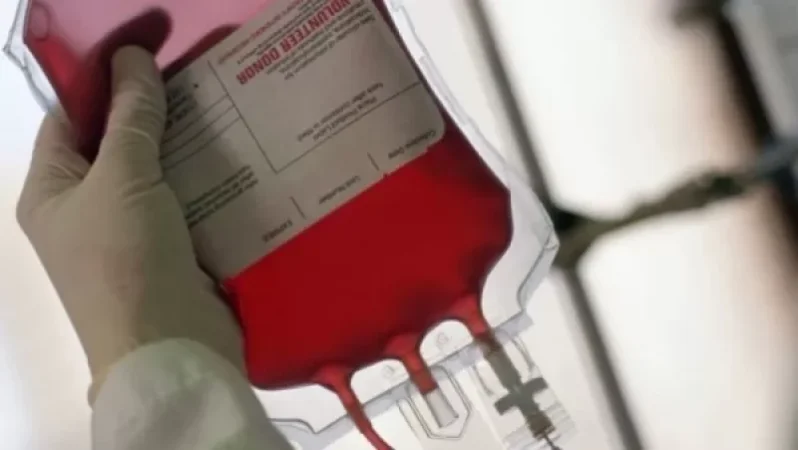
The Blood Transfusion Center named after R.H. Yolian has reported that many patients are in need of blood. If you have recently been vaccinated, depending on the vaccine, you should wait 10 days to 1 month before donating.
If you have decided to donate your blood, you must be an adult (at least 18 years old), weigh at least 52 kg if you are female and 62 kg if you are male, and meet the acceptable levels of hemoglobin (125-180 grams/liter for women and 135-188 grams/liter for men). Your blood pressure should not be too high or too low, as determined by a doctor—with diastolic pressure between 60-100 mmHg and systolic pressure between 90-160 mmHg. The heart rate should be between 60-90 beats per minute.
The contraindications for blood donation can be absolute, meaning a person can never donate blood, or temporary, where a person may be able to donate after some time.
Absolute contraindications include: infectious diseases (HIV infection, AIDS, viral hepatitis with any historical positive lab results, syphilis, all forms of tuberculosis, brucellosis, typhus, tularemia, echinococcosis, etc.), somatic diseases (malignant tumors and blood diseases, central nervous system organic lesions, mental disorders, deaf-muteness, alcoholism, drug addiction), cardiovascular system diseases (hypertensive disease, ischemic heart disease, brain vascular diseases, thrombophlebitis, varicose veins, congenital or acquired heart defects, endocarditis, myocarditis), respiratory organ diseases (pulmonary emphysema, pulmonary fibrosis, asthma, obstructive bronchitis, bronchiectasis), liver and biliary tract diseases (chronic hepatitis, liver cirrhosis, gallstones with cholecystitis, cholangitis), kidney and urinary tract diseases (tubulo-interstitial kidney diseases, renal failure), systemic connective tissue diseases, radiological disease, endocrine system diseases with significant metabolic disturbances, eye and its appendages diseases affecting vision (± 6 diopters or more), residual phenomena from chorioretinitis, trachoma, skin and subcutaneous tissue diseases (including psoriasis, vitiligo), osteomyelitis, and surgeries involving the removal of any organ (stomach, kidney, spleen, uterus and its appendages, hand, foot, eye, etc.).
In addition to permanent contraindications, the following risk groups also constitute grounds for exclusion: homosexuals, sex workers, individuals in prisons, healthcare personnel in constant contact with blood and blood components, family members of HIV/AIDS patients and carriers (living in the same household), and those with suspicious results for blood-transmitted infections tested again after three months.
Temporary contraindications for donating blood include certain medical conditions and situations, such as:
- Blood component transfusion, tattooing, or any medical interventions accompanied by skin or mucosal integrity violation for 6 months.
- Tooth removal for 10 days.
- Surgeries, including artificial interruption of pregnancy for 6 months.
- Recovery from urinary stone disease, stomach ulcer, or duodenal ulcer for 2 years after healing.
- Pregnancy and lactation periods: at least 1 year after childbirth, no less than 3 months after lactation finishes.
- Menstruation: no less than 5 days after menstruation ends.
- Allergic conditions: 1 month.
- Fever above 37°C and acute upper respiratory tract infections for 14 days.
- Vaccinations: live vaccines for 1 month, killed vaccines for rabies and hepatitis B for 6 months.
- Use of certain medications including antibiotics (14 days), aspirin (5 days), non-steroidal anti-inflammatory drugs (3 days), etc.
- Prolonged stays in endemic areas (6 months).
- 5 years after the end of malaria treatment.
- Intake of alcoholic beverages for 24 hours.
- Increase of alanine aminotransferase levels by up to two times for 2 months.
How to prepare for blood donation:
If you meet the specified conditions, on the day of donation, you should avoid fatty, fried, spicy, or smoked foods; you may only consume tea or coffee. Do not consume alcoholic beverages for 24 hours before the donation. Present your identification document, such as a passport or military ID, at the blood donation center. The donor fills out a questionnaire about their health status and lifestyle, followed by laboratory testing and examination by a therapist. The blood donation process takes place using sterile disposable tools.
Donations are conducted daily from 9:00 AM to 1:00 PM, except on holidays and weekends. It is advisable not to schedule blood donation shortly before examinations, competitions, or other intensive activities.
After donating blood, rest for 10-15 minutes in a lying position, keep the bandage on for 1.5-2 hours, do not engage in heavy physical work that day, refrain from consuming alcoholic beverages, and eat well while drinking plenty of fluids. Vaccinations are permitted at least 10 days after blood donation.
Նմանատիպ հոդվածներ
Employees Can Go to Work Without Testing Until October 15, Lawyer on the Law

This Poster is My Personal Initiative and Has Nothing to Do with the Party: The Author of the Notable Poster Revealed
Reservist Officer Killed in Kapan Was Participating in Three-Month Exercises

Azerbaijanis Explain to Syunik Residents Why They 'Trouble' Iranians: 'Hraparak'
Ավելին Society բաժնից

Ակտիվ ցիկլոնը ներխուժում է Հայաստան․ սպասվում են անձրևներ․ ջերմաստիճանի կնվազի

Երևանում ռուս մաթեմատիկոս է ձերբակալվել
Ալեն Ղևոնդյանին արգելվել է հրապարակումներ անել և հավաքների մասնակցել