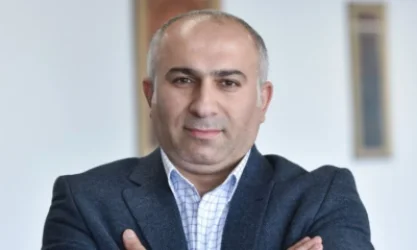
Matenadaran Researcher 'Falsifies' Artsakh History for Azerbaijan's Benefit: Vahan Ishkhanian's Post
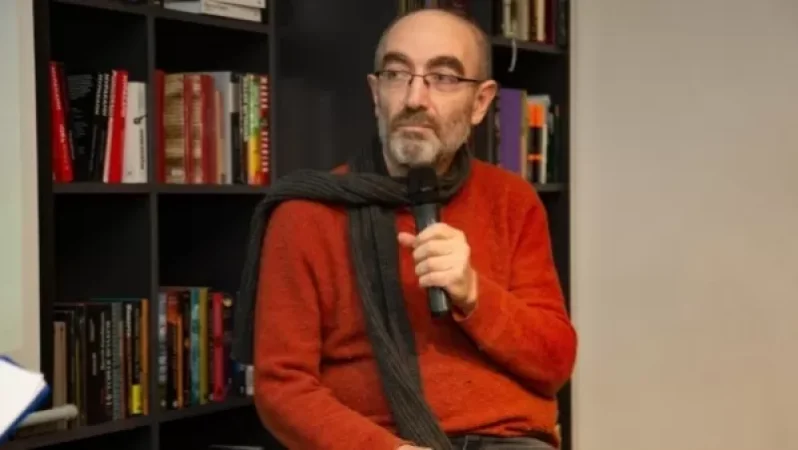
Matenadaran researcher Gayane Aivazyan, in her new writing, reveals that she serves the interests of Azerbaijan to such an extent that she rejects the idea of self-determination for Artsakh, claiming that it originated in a capitalist environment. This statement was made by commentator Vahan Ishkhanian on his Facebook page, noting that the Matenadaran researcher falsifies the history of Artsakh's self-determination for the benefit of Azerbaijan.
"The question of the self-determination of Nagorno-Karabakh is a capitalist project. It emerged during the dawn of establishing a national capitalist state, guided by the ideologues of national liberalism. In capitalism, the right to self-determination cannot be proclaimed as a leftist idea." This is an absolute falsification; the roots of the idea of Artsakh's self-determination trace back to the Khanate of Karabakh, then to the years 1918-1920, when the people of Artsakh were making efforts to unite with Armenia, later reviving in the 1960s when a movement for reunification with Armenia emerged, which was met with persecution by Azerbaijani authorities, leading many intellectuals to flee to Armenia, including writer and historian Bagrat Ulubabyan.
The movement for Artsakh's self-determination for reunification with Armenia has continued underground or semi-underground since the 1960s and erupted in 1988 after the extraordinary session of the council of people's deputies of the NKR on February 20, which decided to demand through the mediation of the Supreme Councils of Azerbaijan and Armenia to return the NKR to the composition of the Armenian SSR from that of the Azerbaijani SSR. Which of these deputies was liberal? Almost all were members of the Communist Party. On the same day, protests began in Yerevan in support of the NKR council's decision, actively participated in by Silva Kaputikyan, Viktor Hambartsumyan, Sos Sargsyan, and many other intellectuals; who among them was liberal? The same goes for the members of the Karabakh committee; in 1988, none of them presented liberal views, it was only later, during the collapse of the Soviet Union in 1990-1991, that many of them adopted a liberal ideology.
I have a question for the Scientific Council of Matenadaran: Is Matenadaran a scientific institution? If yes, how can one work there who distorts history to create justifications for the Azerbaijani fascism intending to eliminate Artsakh's sovereignty? The cornerstone of leftist ideology is rejecting the exploitation of humans by humans, especially the extermination of one by another. If we apply this thesis to the Artsakh issue, the left rejects the extermination program of Armenians by Turkish-Azerbaijani conquerors and supports every manifestation of self-determination and liberation struggle against the hegemony of Turkish-Azerbaijani conquerors for Armenians, Kurds, or Talish people. It is no coincidence that the independence of Artsakh has been recognized by the French Communist Party, and during the last war, many leftist intellectuals expressed their solidarity with the Armenian people, such as the words of Harvard University professor Cornel West.
"And so we, as one people, one great people, one world-historical people, standing in the midst of the American empire, raise our voices, thus: one voice, but a voice of solidarity with another world-historical people. A people that has been wounded for two millennia, yet continues to produce healing doctors, a people that has been subject to hatred for more than two thousand years, yet continues to generate warriors of love, a people that has been terrorized for over two millennia, yet continues to distribute the unbelievable warriors of freedom. I refer to the Armenian people who come from a distant past."
The left rejects hegemony and supports separatism and self-determination even within capitalist systems, as seen where leftists primarily support the self-determination movement of Catalonia. Therefore, even if the self-determination of Artsakh had arisen in a capitalist environment, which, as we have seen, is not the case, it would still deserve leftist support.
The left is about solidarity. Without solidarity, there is no leftist idea. Gayane Aivazyan and her supporters, speaking in the name of the left, are actually conducting the most anti-left, right-wing, and rejectionist propaganda, as their statements lack solidarity, particularly with the people of Artsakh. They do not “see” that there are people living in Artsakh: village workers, school teachers, civil servants, businesspeople, doctors, students and pupils, children, and pensioners who do not wish to be under Azerbaijani hegemony, and since the 1990s, do not want to be exterminated, as Azerbaijani hegemony now means the extermination of the Armenian population of Artsakh.
It is precisely this line by Aivazyan: "The question of the self-determination of Karabakh has been guided by ideologues of national liberalism," referring only to the leaders of the Karabakh movement in Armenia in the form of the Karabakh Committee and the Armenian National Movement, that betrays the fact that for her, there are no Artsakh people. She “does not see” that the Karabakh movement began, not in Yerevan, but in Artsakh, not by the "Karabakh" committee but by the representatives of the NKR regional council, and before the establishment of the Karabakh Committee, the movement coordinating the efforts was created, which consisted of Arkadi Manucharyan (Chairman), Roles Aghajanyan, Vardan Hakobyan, Razmik Petrosyan, Hamlet Grigoryan, Maxim Mirzoyan, Arkadi Karapetyan, Boris Arushanyan, Robert Baghdasaryan, Hamlet Movsisyan, Vladimir Gevorgyan. Which of them is liberal? None. But in Aivazyan's view, they do not exist.
I do not know if there is anyone in Azerbaijan who, like Gayane Aivazyan, methodically distorts leftist ideology and rejects the idea of self-determination for the people of Artsakh in the name of the left, creating “justifications” for exterminating the Armenian people. Many Azerbaijanis support her writings, and… many Armenian intellectuals endorse them," he wrote.
Նմանատիպ հոդվածներ

Employees Can Go to Work Without Testing Until October 15, Lawyer on the Law
This Poster is My Personal Initiative and Has Nothing to Do with the Party: The Author of the Notable Poster Revealed
Reservist Officer Killed in Kapan Was Participating in Three-Month Exercises
Azerbaijanis Explain to Syunik Residents Why They 'Trouble' Iranians: 'Hraparak'
Ավելին Society բաժնից

Կայծակը կաթվածահար է արել ենթակայանը․ մի շարք գյուղեր մնացել են առանց հոսանքի․ ՀԷՑ

Ակտիվ ցիկլոնը ներխուժում է Հայաստան․ սպասվում են անձրևներ․ ջերմաստիճանի կնվազի
Երևանում ռուս մաթեմատիկոս է ձերբակալվել