Armenia Does Not Discuss and Will Not Discuss Corridor Issues, Says Deputy Prime Minister
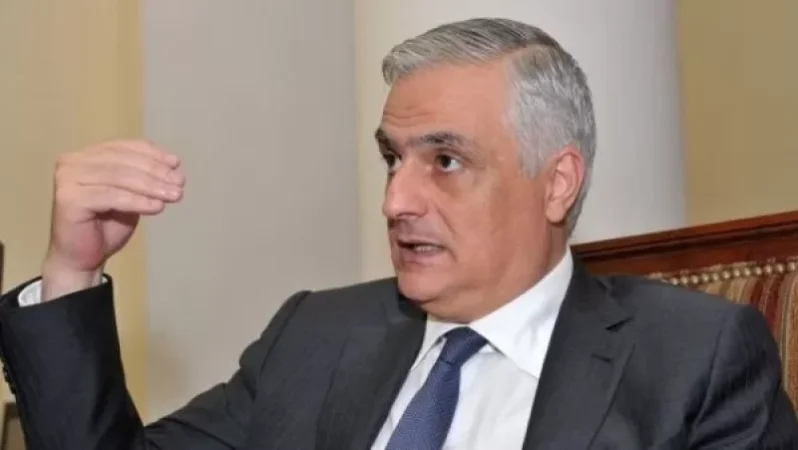
On May 12, just days after the Azerbaijani military's intrusion into Armenian state territory in the Syunik and Gegharkunik regions, Armenian Deputy Prime Minister Mher Grigoryan told reporters that the activities of the trilateral working group aimed at the opening of regional communications have been suspended. The Deputy Prime Minister noted that effective work of the group is impossible under such border tensions.
Azerbaijani troops have not yet returned to their positions, and moreover, the situation periodically escalates along the borders of Gegharkunik, Syunik, and Tavush. However, days ago, on August 17, the trilateral group on regional transportation unblocking, led by Armenian Deputy Prime Minister Mher Grigoryan, Russian Deputy Prime Minister Alexey Overchuk, and Azerbaijani Deputy Prime Minister Shahin Mustafayev, resumed its work.
Civic.am has directed written questions to Armenia's Deputy Prime Minister Mher Grigoryan regarding this matter.
- Mr. Deputy Prime Minister, considering your statement that it is impossible for the committee to work effectively under such conditions of border tension, can you tell us under whose initiative the work has resumed?
- The Armenia-Russia-Azerbaijan trilateral working group resumed its work at the initiative of the Russian side, and this is motivated by the imperative of unblocking communications in the region, as well as ensuring regional stability and establishing lasting peace.
- Does the current border tension affect the effective work of the committee?
- Armenia emphasizes the full implementation of the trilateral statements signed by the leaders of Armenia, Russia, and Azerbaijan on November 9, 2020, and November 11, 2021, which can serve as a boost for regional stability and the establishment of long-lasting peace. Provocations and incursions at Armenia's borders naturally have a negative impact on the effective progress of works; however, the Armenian government intends to use any negotiation platform and opportunity for constructive dialogue to promote Armenia's interests.
- At what stage is the negotiation process, what issues have been discussed?
- In the context of unblocking existing transport links in the region, the technical and infrastructural possibilities related to international transport are being studied at the expert level, as are questions regarding the implementation of border, customs, and other types of control within the framework of CIS normative legal bases, as well as other multilateral international treaties and conventions to which Armenia is a party or supports. In the same context, the economic and logistical effects of possible connections with the transport infrastructure and routes of other countries in the region are also assessed.
- Has the Azerbaijani side put the issue of the Syunik corridor on the negotiation agenda?
- As has been repeatedly stated, the Armenian side has not discussed and will not discuss the corridor or corridor-related issues, and we do not consider it appropriate to interpret the wishes of other parties involved in the working group.
Նմանատիպ հոդվածներ

My Body Is Only My Body: Yerevan State University Lecturer Sends Open Letter to Health Minister
Russia's Ministry of Defense Recognizes the Republic of Artsakh, Causing Hysteria in Azerbaijan
Ilham Aliyev: 'Aside from three or four Armenian officials' villas in Shushi, nothing has been built'
Armen Charchyan Transferred to Hospital
Ավելին Politics բաժնից
Դավիթ Տոնոյանի գործը մոտենում է ավարտական փուլին. «Ժողովուրդ»
Մանդատները վերցնե՞լ, թե՞ ոչ. ինչ պետք է անի ընդդիմությունը. «Փաստ»
Սերժ Սարսգսյանը խոսել է հետընտրական զարգացումների տարբերակների մասին