Gross Violations of Medical Assistance and Care at the 'Prison Hospital' Detention Facility: Human Rights Defender
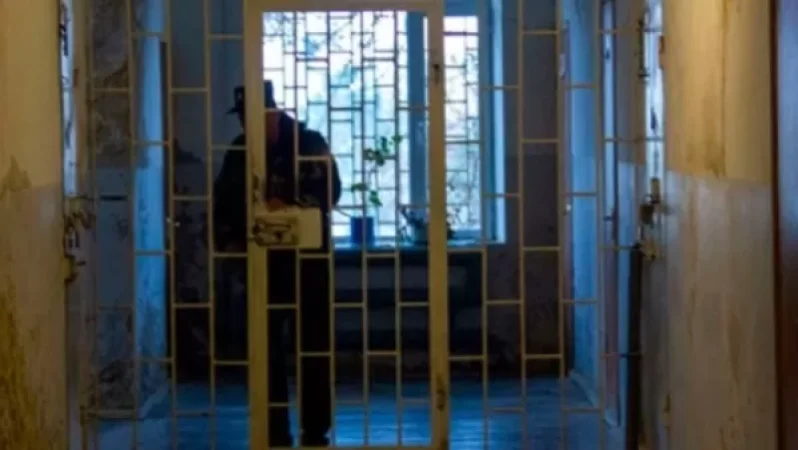
The Human Rights Defender has issued a statement addressing the violations present in the 'Prison Hospital' detention facility. The statement notes that "correctional staff are directly involved in organizing medical assistance for persons deprived of liberty, are aware of medications and their dosages, and have access to ledgers containing medical secrets. As a result, almost the entire administration of the correctional institution is aware of the diseases that individuals deprived of their liberty have, what medications they are receiving, and there are even cases where they know what dosages are prescribed.
The organization of 'Methadone Replacement Therapy' is also conducted with the direct involvement of correctional staff. In the evening hours, psychoactive medications are provided to individuals deprived of liberty in the presence of security personnel.
One of the concerning issues is that the admission of individuals deprived of liberty and their allocation to departments within the 'Prison Hospital' is done based on the instructions of correctional security personnel, primarily considering security issues. Consequently, a large number of patients are kept outside their registered departments. This situation complicates the effective medical supervision by the attending physician and medical staff regarding the patient, as well as the implementation of medicinal treatment and other medical interventions.
For instance, in addition to patients registered in the therapeutic department, individuals who are registered in the psychiatric department are also kept in that department. This situation is unacceptable. Of course, ensuring security in a detention facility is fundamentally important, but in matters of admission and distribution in the Prison Hospital, medical issues cannot be overlooked.
Preliminary medical examinations in the detention facility are conducted by the on-duty medical personnel in conjunction with searches, in the presence of the duty officer of the day and a security officer. When an individual is escorted by police officers, they are also present at the medical examination. Medical examinations are also performed in a group format, simultaneously involving multiple persons deprived of liberty. There are cases where the preliminary medical examination is not conducted by medical personnel, but instead, correctional staff ask during the search if the individual has any injuries or complaints.
Treatment of persons deprived of liberty and certain medical interventions are carried out without their written consent. In other words, they receive treatment without informed consent, undergoing medical examinations and other interventions; exceptions are made only for HIV-infected individuals deprived of liberty and those receiving inpatient treatment in the psychiatric department.
A significant issue is the description of injuries found on persons deprived of liberty, which is conducted with deficiencies. For example, the column in the relevant ledger regarding 'presence of bodily injuries' is mainly filled with a single word—'present' or 'absent'—and there are cases where there are no records of medical examination results at all.
Moreover, when an injury is recorded on a person deprived of liberty, it does not include a comprehensive picture of the objective results of the medical examination—specific anatomical locations of the injuries, color, surface, and other criteria describing the injury are not documented.
Instances have been observed where reports lack the doctor's conclusions on the correlation between the objective description of the injury and the statements of the deprived persons. Gross violations have also been recorded regarding the management of medical documents. Reasons for the prescription of medication and descriptions of the dynamics of health conditions are absent from medical histories, and there are many erasures and omissions. There are no procedures for storage and archiving of medical documents.
The medical histories of discharged patients in the observed departments are stored right in the departments, in various cabinets or on the floor. During monitoring visits, expired medications were noted. Serious issues exist regarding medical waste, which is disposed of with household trash, which is unacceptable. Restraint measures are applied grossly, which will be addressed in detail separately. What is described is just a small part of the problems concerning medical assistance.
The main part has already been sent by the Human Rights Defender to the Ministry of Justice, along with relevant proposals and demands for clarification. The violations are evidently humiliating to human dignity and reflect inhumane treatment. The current situation is unacceptable; it represents neglected issues. All these assessments are based on specific facts. The Human Rights Defender is ready to provide necessary support in addressing the recorded problems.
Նմանատիպ հոդվածներ

Urgent: Three Soldiers Found Dead at Military Position

Urgent: Adversary Opens Fire on Armenian Positions, One Armenian Soldier Wounded, MoD
Ararat Mirzoyan Appointed as Minister of Foreign Affairs of Armenia

Azerbaijan's Armed Forces Attempted to Breach the Contact Line in Western Artsakh, Repelled Back to Initial Positions - Defense Army
Ավելին Society բաժնից
Զովունիի ընկերությունից խոշոր հափշտակության գործի նոր զարգացումները. ՔԿ

Կիևան կամուրջը երկար ժամանակ փակ կլինի

ՏԵՍԱՆՅՈՒԹ. Բողոքի ակցիա` ԿԸՀ-ի դիմաց