The Rise of the Taliban Could 'Inspire' Terrorist Organizations in the Middle East, Which Also Participated in the 44-Day War, Says Iranologist
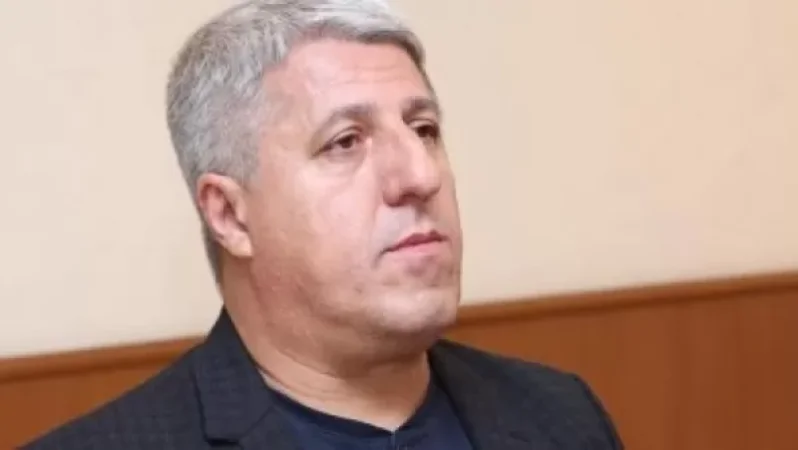
Any process in the Middle Eastern region can have a certain impact on the South Caucasus region. This was stated by Iranologist Vardan Voskanian in a conversation with Factinfo, referring to the situation in Afghanistan.
The Iranologist noted that developments in Afghanistan directly influence the political situation in neighboring Iran, and that Iranians have a certain involvement in Afghan issues. “Iran is an important player that significantly contributes to stability in the Middle East. On the other hand, the situation created in Afghanistan directly affects another neighboring region, Central Asia, where Tajikistan is a member state of the CSTO, and naturally, Armenia's strategic ally Russia is also involved in Afghan processes, which impact Russian politics,” said Voskanian.
He further emphasized that Turkey, which has an obvious hostile stance towards Armenia, is also involved in the Afghan events. According to him, before the Taliban's capture of Kabul, the Erdogan administration was attempting to seize the Kabul airport under military control, and now that plan is facing significant obstacles, while the administration had invested considerable diplomatic and other resources into its execution.
“Now that issue hangs in the balance. On the other hand, Turkey has been trying to realize the so-called Lajvard corridor since 2018, which connects Afghanistan through Turkmenistan, the Caspian Sea, and Azerbaijan and Georgia to Turkey. Now the future of that project is also becoming very murky. There are also other regional players whose interests intersect in Afghanistan. This includes Saudi Arabia, Qatar, and of course Pakistan, which was one of the behind-the-scenes players in the Karabakh conflict during the 44-day war,” noted the Iranologist.
Current events, if not directly, then indirectly relate to Armenia's interests. The weakening of Turkey's positions in any region is in the interests of Armenia; however, on the other hand, according to the Iranologist, the Taliban's rise to power could “inspire” terrorist organizations in the Middle East, and these terrorist groups, including mercenaries, participated in the 44-day war, thus posing certain challenges.
“In addition, Iran is a crucial destination for Afghan refugees, and it is not ruled out that some of these refugees, perhaps a few families or several dozen families, may attempt to enter Armenian territory, for which we must also be prepared,” emphasized Voskanian.
He noted that it will be quite difficult for Turkey and Azerbaijan to take advantage of the situation created in Afghanistan. The Turkish side has two paths to resolve its arising issues: either reach an agreement with the Taliban, or attempt to utilize the mediation efforts of Qatar and Pakistan.
“Any event brings challenges and opportunities. Everything depends on how one will seize opportunities and how one will confront challenges. Armenia must work with all its diplomatic capabilities; whether the current authorities can do this is a different issue,” added the Iranologist.
Նմանատիպ հոդվածներ

Urgent: Adversary Opens Fire on Armenian Positions, One Armenian Soldier Wounded, MoD
Urgent: Three Soldiers Found Dead at Military Position
Ararat Mirzoyan Appointed as Minister of Foreign Affairs of Armenia
Azerbaijan's Armed Forces Attempted to Breach the Contact Line in Western Artsakh, Repelled Back to Initial Positions - Defense Army
Ավելին Society բաժնից

Ադրբեջանի ուժգին երկրաշարժը զգացվել է Հայաստանում
ՁԱՅՆԱԳՐՈՒԹՅՈՒՆ. Էդ դուք ոնց որ տեղը չե՞ք բերըմ, էս հեռախոսով բազար-վակզալ մեք անի

Գնդակահարել ավտոմոբիլիստներին. Իոաննիսյանի կտրուկ անդրադարձը` Ավինյանի հայտարարությանը