Supreme Court Issues Ruling in Kocharyan and Others Case: Abrahamyan
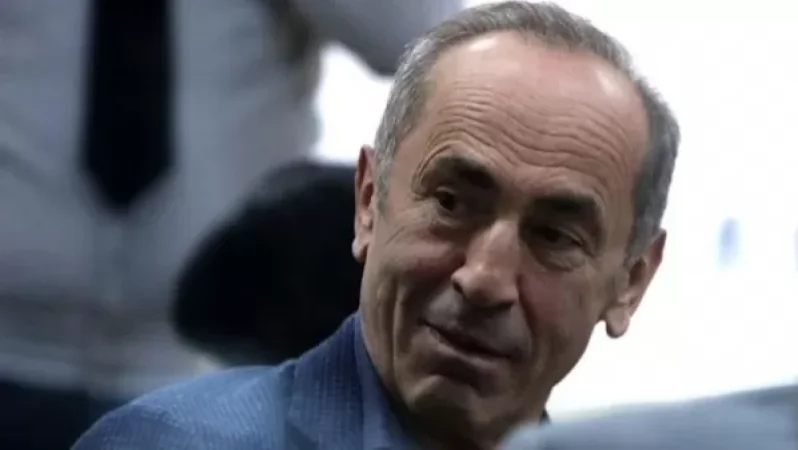
Gor Abrahamyan, an advisor to the Armenian Attorney General, wrote on his Facebook page:
“The Supreme Court of Armenia has belatedly confirmed the grounds of the Prosecutor General's position regarding the measure of restraint in the case of ‘R. Kocharyan and others’. The Prosecutor General's office has received the Supreme Court’s ruling of July 30, 2021, regarding the appeal submitted nearly a year ago by the Prosecutor General Arthur Davtyan against the June 18, 2020 ruling of the Armenian Court of Appeals concerning the accused Robert Kocharyan.”
“It is noteworthy that the Armenian Court of Appeals, in its June 18, 2020 ruling, had partially accepted the defense’s appeal of R. Kocharyan, amended the First Instance Court's decision, and replaced the measure of restraint of detention with a bail set at 2 billion drams.”
The Prosecutor General, through his appeal to the Supreme Court, sought to annul the Court of Appeals’ decision regarding the use of bail as a measure of restraint for R. Kocharyan and to apply pretrial detention through a new judicial act. The Supreme Court upheld almost all of the arguments presented by the Prosecutor's Office, agreeing with their position that only pretrial detention could ensure the proper behavior of the accused R. Kocharyan at this stage of the proceedings.
Specifically, the Supreme Court found that the nature and degree of danger of the charges against R. Kocharyan under Article 300.1 of the Armenian Criminal Code, the severity of the expected punishment, the involvement of accomplices in committing these alleged criminal acts, who held high state positions and were in a position of dependency upon the accused, the unprecedented number of participants in the trial, and actions aimed at concealing the alleged criminal acts were all crucial factors. These significantly increase the risk of obstructing the investigation, particularly at a point in time when the case had not yet entered the trial phase and no evidence had been examined.
Therefore, the Supreme Court deemed unacceptable the Court of Appeals' position that over time, the risks of potential unlawful conduct by the accused R. Kocharyan had diminished to the extent that pretrial detention could no longer be considered appropriate.
In this context, it is significant to note the Supreme Court’s observation stemming from the constant positions expressed by the Prosecutor's Office that the criminal acts attributed to R. Kocharyan allegedly took place within the sphere of his professional activities, and the individuals involved in the case were in a subordinate relationship to the accused. Some of them are also named as accomplices in the case. Consequently, according to the Supreme Court, R. Kocharyan's long years in office, his position and authority, vast influence, connections, and the nature of the alleged crimes attributed to him indicated that there remained a continued risk of interfering with the investigation and exerting unlawful influence over the participants in the process at that stage of the proceedings.
The Supreme Court concluded that, under these factual circumstances, bail could not effectively restrain the likelihood of improper behavior by the accused R. Kocharyan while at liberty.
Despite these and other legal conclusions, the Supreme Court ultimately rejected the appeal of the Prosecutor General, essentially on the grounds that prior to making a decision in the case, the criminal prosecution concerning one of the alleged criminal acts attributed to R. Kocharyan under article 300.1 had been discontinued based on a relevant decision of the Constitutional Court.
Moreover, the Supreme Court also rejected the appeal presented by R. Kocharyan's defense regarding the application of personal guarantees as a measure of restraint or reducing the bail amount that had been set.
Նմանատիպ հոդվածներ
A Fine of 100,000 Drams to be Imposed for Taking Photos at the Border

Photo: Defense Ministry Presents Type of Drone Shot Down by Armenian Air Defense
Russia Still Struggling to Overcome Coronavirus: Peskov Explains Why
Agreement Reached to Reinstate Ceasefire Through Mediation of Russian Peacekeeping Forces: Ministry of Defense
Ավելին Society բաժնից
ՆԳ նախարարը մանրամասներ է հայտնել 12–ամյա երեխային թմրամիջոց տալու դեպքից. վարկածներ կան
Հայկական արտադրանքի ԵՄ արտահանման հեռանկարները. Պապոյանի պարզաբանումը
ՏԵՍԱՆՅՈՒԹ. Երևանում խցանումների կառավարման նոր ծրագիր. Ավինյանը մանրամասնել է